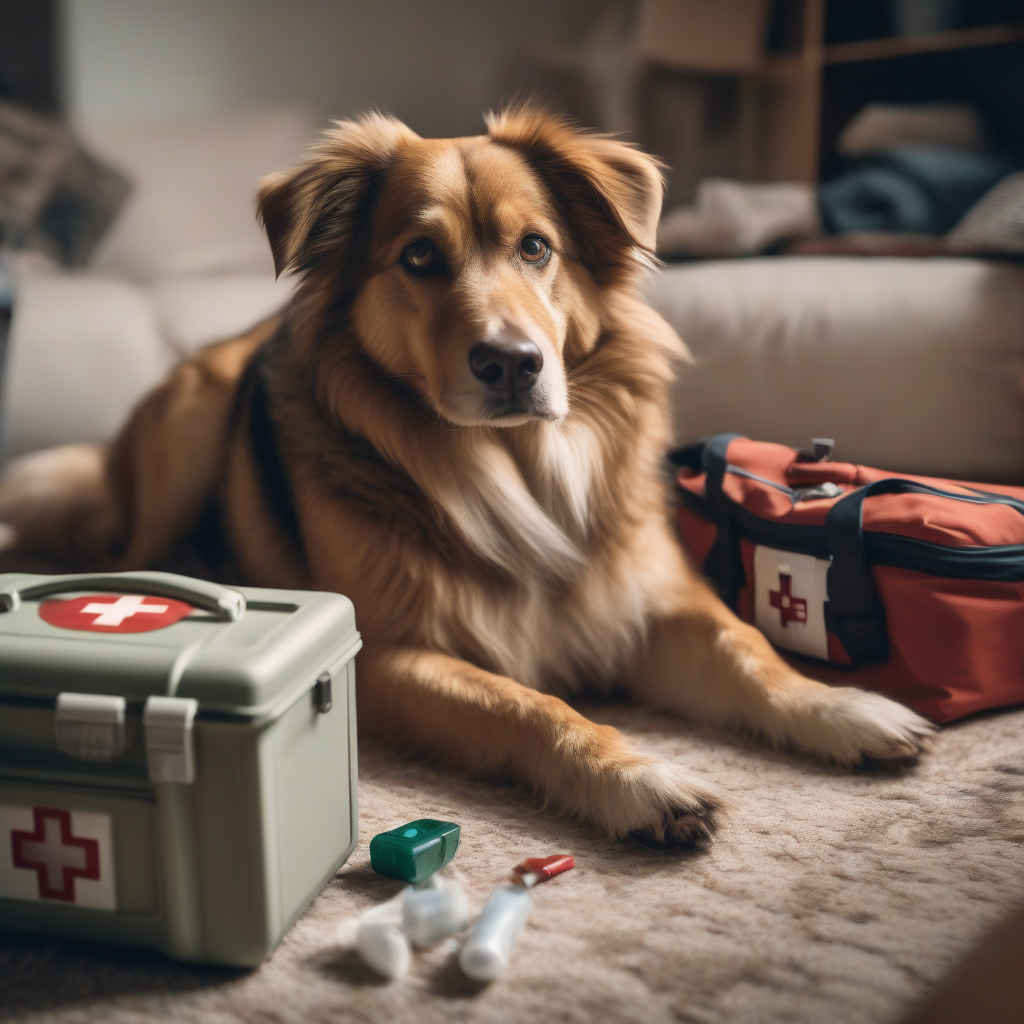
In this article, you will learn to identify stealthy household toxins that can poison dogs, recognize early signs of poisoning, and understand 5 critical scientific first aid steps to save a life. Be aware for your dog's health.


In this article, you will find comprehensive information on 5 neurotoxic shocks commonly encountered in rabbits due to poisoning, their triggers, symptoms, and lifesaving emergency intervention codes.

In this article, you will discover how to use the 'surprise expectation' mechanism in your bird's brain to boost their training motivation, the effects of dopamine release on learning, and 5 neurocognitive secrets to scientifically optimize reward schedules.

Did you know that cats are not just cute companions but surprisingly intelligent creatures that continuously develop their brains through play? In this article, you will discover how to uncover your cat's hidden perception map, how to increase their mental capacity with play-based learning, and 5 neurocognitive secrets to maximizing their potential. Here are the scientific ways to build a deeper bond with your feline friend and support their cognitive health!
Our canine companions' inquisitive nature can often leave them vulnerable to "invisible" dangers lurking in our homes. A seemingly innocent plant, a dropped medication, or even certain foods in the kitchen can transform into a deadly pathway for our four-legged family members. As of March 2026, while pet ownership awareness is on the rise, poisoning incidents unfortunately remain one of the leading reasons for emergency visits to veterinary clinics. So, how can you scientifically intervene and potentially save your dog's life within 5 minutes in such a critical emergency? This comprehensive guide will equip you to identify stealthy household toxins, recognize the early signs of poisoning, and implement crucial scientific first aid steps. Remember, knowledge and preparedness are your greatest strengths in these vital moments.
While our homes are designed for human comfort, they can be a minefield of potential hazards for our dogs. Because dogs explore the world with their noses and are prone to sampling everything with their mouths, they are highly susceptible to environmental risks.
Many houseplants (azalea, lily, dumb cane, etc.) and garden plants (rhododendron, foxglove) are toxic to your dog. Pesticides, fertilizers, rodenticides, and insecticides are also stealthy enemies lurking in gardens. These products can easily enter your dog's system if they eat soil or plants.
An unnoticed painkiller on the counter, vitamins on the floor, or a torn-open trash bag containing cleaning wipes... Human medications (especially acetaminophen, ibuprofen, antidepressants), vitamin supplements, detergents, bleach, disinfectants, and other cleaning products are extremely dangerous for dogs. Even a small dose can lead to severe organ damage or death. Therefore, paying attention to the chemical and pharmaceutical landscape is as vital as understanding your dog's Scientific Codes of Sound and Scent Landscape in the Home Environment.
Substances like chocolate (due to theobromine in cocoa), grapes and raisins (acute kidney failure), xylitol (an artificial sweetener found in sugar-free products, causing a sudden drop in blood sugar), avocado (persin toxin), onions and garlic (destroy red blood cells), alcohol, and caffeine pose a serious risk of poisoning for dogs. Leftover food from guests or a dropped piece can lead to a major disaster. Especially during the first 7 days of adaptation in a new home, extra vigilance against such risks is essential.
Symptoms of poisoning can vary depending on the substance ingested, the amount, and the dog's individual sensitivity. However, quick recognition increases the chance of successful intervention.
Sudden lethargy, extreme excitement, restlessness, loss of balance, muscle tremors, or seizures can all be signs that your dog has been exposed to an abnormal substance. If you notice a sudden disruption in your dog's general behavioral rhythm, independent of environmental factors such as the Scientific Impact of Home Lighting on Sleep, Mood, and Hormones, be alert.
Vomiting (possibly bloody), diarrhea, excessive drooling, difficulty breathing, rapid heartbeat, pale or bluish gums, abnormal body temperature (extremely high or low), abdominal pain, or bloating are all physical signs that require immediate intervention. Since poisoning can affect your dog's entire system, we emphasize the importance of understanding topics like the Unseen Secrets of Their Digestive System in pets.
Time is of the essence in poisoning cases. Some poisons can cause severe damage within minutes, while others may show effects hours later. The moment you notice your dog acting abnormally, you should consider potential poisoning and act immediately. Every delayed minute reduces the chance of recovery.
These steps are critical first aid principles to follow when you suspect your dog has been poisoned.
Instead of panicking, remain calm. Try to determine what your dog ate, how much, and when. Look for packaging, residue, or plant parts of the poison. This information is vital for the veterinarian to establish an accurate diagnosis and treatment plan. Never assume "I have no information"; every detail matters.
Immediately contact a 24/7 poison control hotline or your nearest veterinary clinic. Clearly explain the situation and provide all the information you have gathered. The veterinarian will advise you on what to do for the specific poison. Relying on information found online and acting on your own is not the correct approach; seek professional guidance.
In the initial moments of poisoning, inducing vomiting can help remove the poison from the body. HOWEVER, never attempt this without the approval and instructions of a veterinarian. Some substances (e.g., corrosive chemicals) can cause more damage to the esophagus during vomiting or lead to aspiration. The veterinarian will inform you of the correct method and dosage (e.g., hydrogen peroxide).
In some cases, your veterinarian may recommend using substances like activated charcoal to reduce the absorption of the poison. Activated charcoal binds to toxins, preventing them from being absorbed by the body. However, this, too, must be done under veterinary supervision and with the correct dosage. Incorrect use can lead to other problems like constipation.
No matter how correctly first aid is administered, your dog will need professional veterinary intervention. The veterinarian will perform blood tests, administer intravenous fluids, antidotes, or other supportive treatments depending on the type of poison and your dog's condition. Ensure the fastest and safest transport to the veterinary clinic. Don't forget to bring the poison's packaging or residue with you.
The best emergency intervention is to prevent poisoning from happening in the first place.
Store all medications, cleaning products, pesticides, and chemicals in locked cabinets or on high shelves out of your dog's reach. Never leave them on the floor. Keep trash cans closed and secured so your dog cannot open them.
Ensure that the plants in your home and garden are safe for your dog. Remove toxic plants or place them where your dog cannot access them. Research plant lists.
Ensure everyone in your household is aware of potential dangers. Warn your guests about these hazards too. Teaching your dog commands like "leave it" or "no" can be lifesaving if they approach a dangerous substance.
Conclusion Your dog being poisoned is a scenario every pet owner dreads. However, with accurate information, composure, and scientific emergency intervention steps, you can successfully manage this critical situation. Making your home a safe space, recognizing stealthy dangers, and having an emergency plan are the most crucial steps to ensure your dog lives a long and healthy life. Remember, whenever in doubt, do not hesitate to consult a professional veterinarian.
