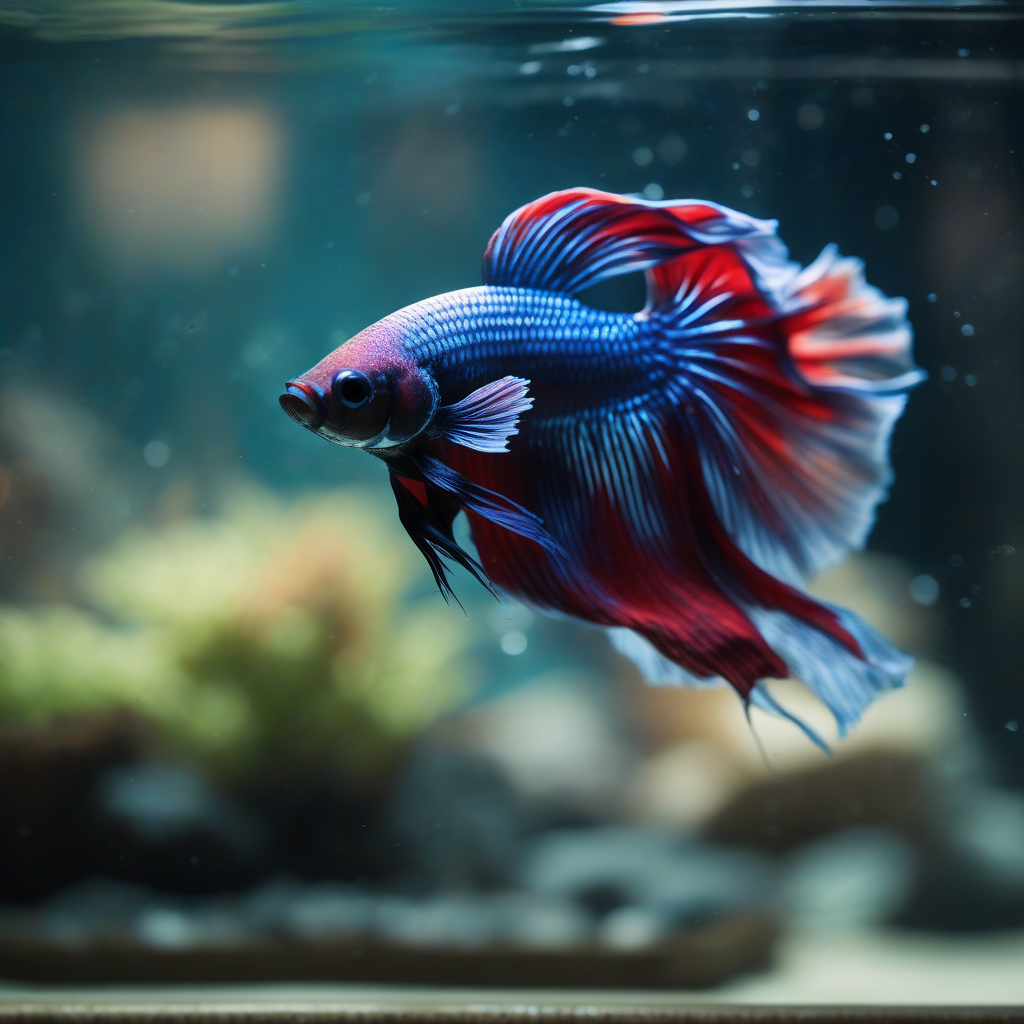
In this article, you will learn how to recognize the 'silent screams' of fish during sudden poisoning in an aquarium and the scientific interventions that can save their lives in just 5 minutes.


Discover the neurobiological signals of hidden stress your newly adopted cat experiences during adaptation to a new social environment. This article reveals 5 insidious signs of your cat's silent struggle and scientific strategies for peaceful, long-term harmony.

Your dog's anal sacs, located beneath the tail, can be hidden alarm bells often overlooked but profoundly affecting their quality of life. In this article, you will discover the 5 insidious neurobiological effects of anal sac problems on the brain and the lifesaving care secrets you need to know for your furry friend to live a peaceful life.
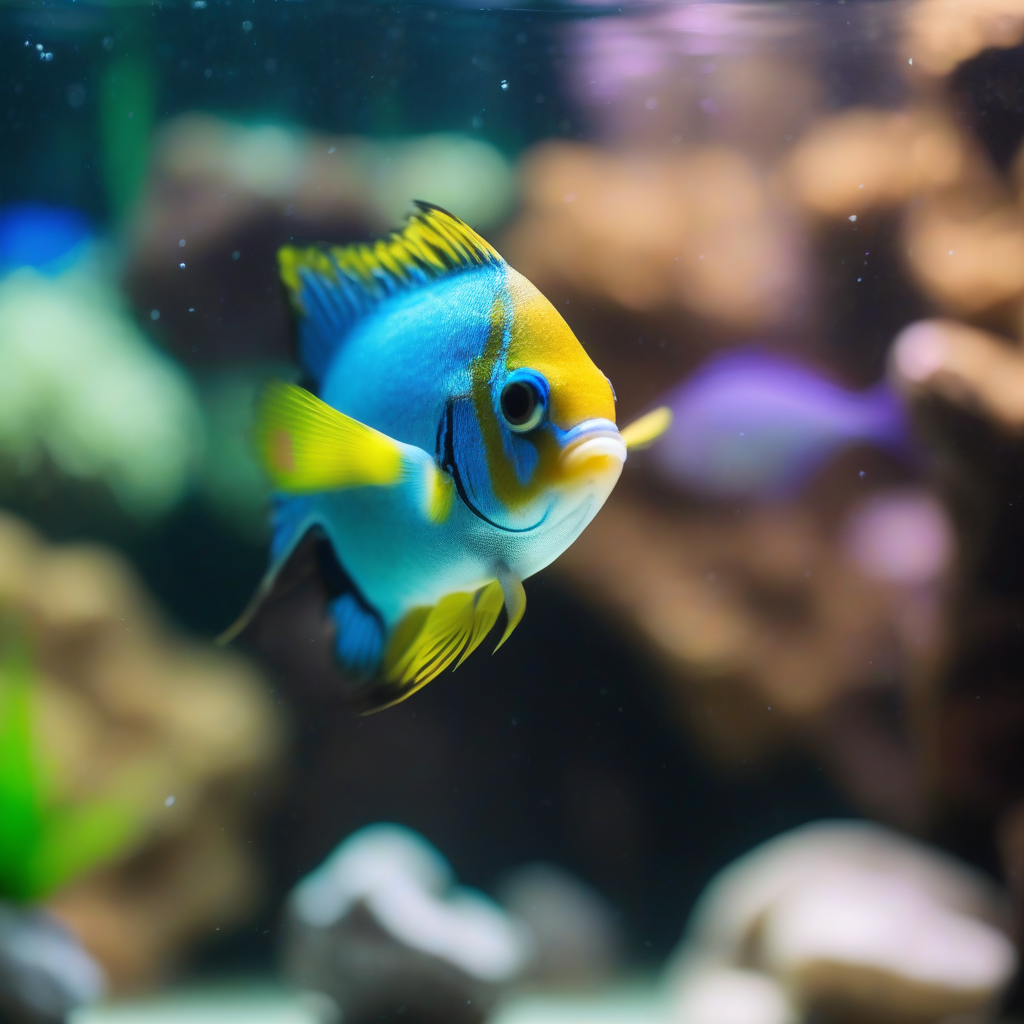
In this article, you will find comprehensive information on the insidious neurotoxic effects of heavy metal poisoning in aquarium fish, its symptoms, and lifesaving emergency intervention codes. This condition, which can arise from household water sources, improper equipment, or neglect, can severely threaten your fish's quality of life and lifespan.
Aquariums are tiny underwater worlds, and their inhabitants, fish, can face dangers without us even realizing it. Sudden poisonings, among the most common and fatal emergencies, often progress silently, and fish send us a call for help with their 'silent screams.' However, these calls can easily be overlooked if we lack the right knowledge.
As of March 2026, we are in a period of rapid growth in the aquarium hobby and increased attention to pet health. In this context, protecting our fish's health and being able to intervene quickly in a potential poisoning situation is vital. This guide will help you recognize the early signs of fish poisoning and use the critical first 5 minutes most effectively to save your fish's life with scientific strategies.
The first signs of sudden poisoning in fish can be subtle and misleading. They are often interpreted as 'normal' behavioral changes, but a careful observer can detect these subtle signals:
Poisoning directly affects the function of a fish's gills. Gill movements that are faster and shallower than normal are among the first signs that the fish is not getting enough oxygen or that damage has occurred to its gills. In particular, if it seems to be coming to the surface more than usual as if trying to gasp for air, it is an alarming situation.
Tens of poisons can affect a fish's nervous system, causing loss of balance and coordination. Suddenly dropping to the bottom of the aquarium, swimming on its side, swimming upside down, or exhibiting uncontrolled vertical movements are clear indicators of poisoning. Deviations from their normal smooth and fluid swimming pattern should not be ignored.
A poisoned fish typically becomes less active, more passive, and uninterested than usual. However, in some cases, excessive startling, sudden movements, and panic attack-like reactions can also be observed due to nervous system stimulation. In group-living fish, there is also a tendency to separate from other members of the school.
Sudden changes in skin color can also be a sign of poisoning. Paleness is usually associated with the circulatory system being affected. Some toxins can also cause excessive redness of the skin or fins, petechiae, or increased mucus production.
Poisoning can also affect a fish's digestive system. Sudden and significant loss of appetite, refusal of food, or gagging-like movements can indicate a digestive-related effect of poisoning.
If you observe one or more of the above symptoms in your fish, you must act immediately without delay by following these scientific steps:
Preventing sudden poisoning is the most effective form of emergency management:
Your fish's health is directly related to your attentiveness and knowledgeable interventions. Hearing these 'silent screams' of sudden poisoning and taking the right steps will ensure your little friends live long and healthy lives.
