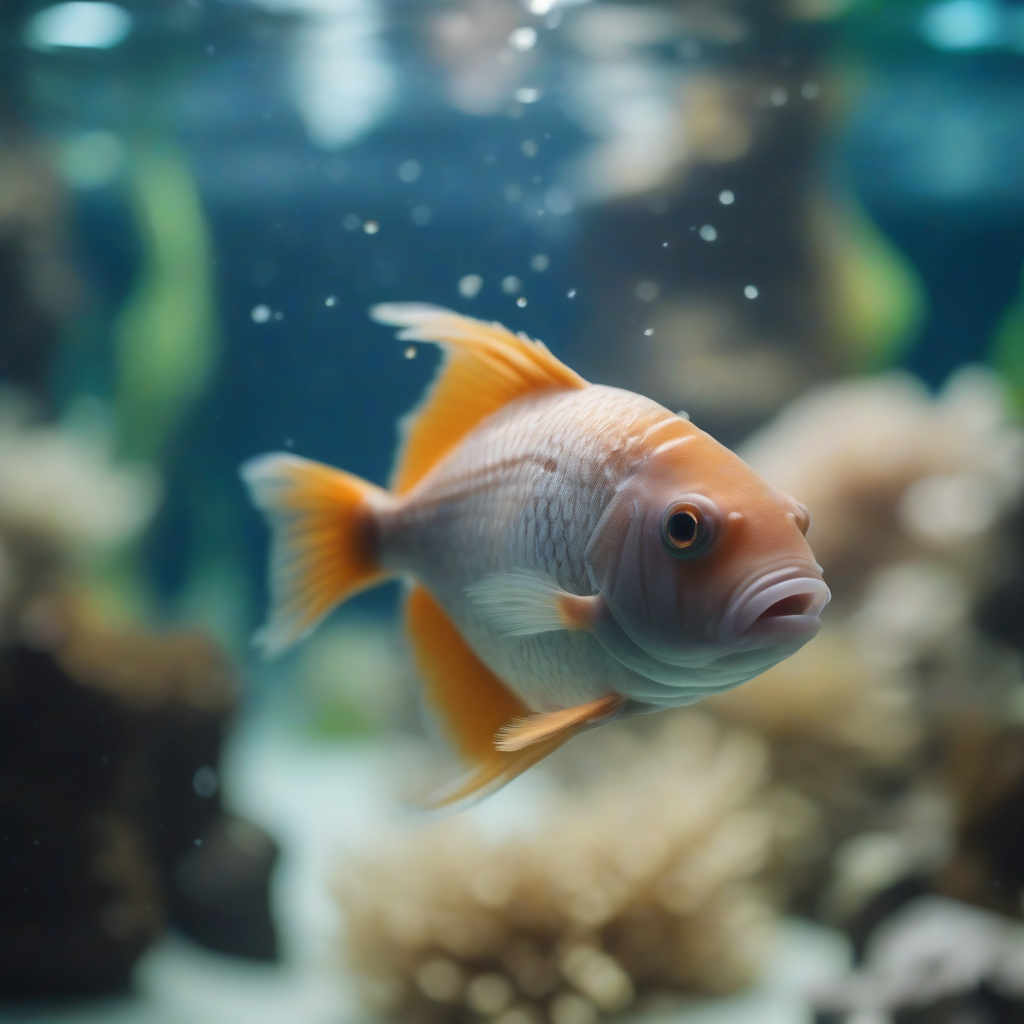
In this article, you will learn to recognize the subtle signs of oxygen deficiency in your aquarium fish and discover 5 scientific emergency interventions you can apply in minutes to prevent fatal outcomes. Equip yourself with this vital knowledge for your fish's health.


Discover the neurobiological signals of hidden stress your newly adopted cat experiences during adaptation to a new social environment. This article reveals 5 insidious signs of your cat's silent struggle and scientific strategies for peaceful, long-term harmony.

Your dog's anal sacs, located beneath the tail, can be hidden alarm bells often overlooked but profoundly affecting their quality of life. In this article, you will discover the 5 insidious neurobiological effects of anal sac problems on the brain and the lifesaving care secrets you need to know for your furry friend to live a peaceful life.
In this article, you will find comprehensive information on the insidious neurotoxic effects of heavy metal poisoning in aquarium fish, its symptoms, and lifesaving emergency intervention codes. This condition, which can arise from household water sources, improper equipment, or neglect, can severely threaten your fish's quality of life and lifespan.
While your aquarium fish may appear to be silent, serene inhabitants of their underwater world, they are, just like us, dependent on a vital element: Oxygen. However, when the oxygen level in the water drops, even if your fish's "breathing alarm" rings, you might not hear it. Oxygen deficiency is a stealthy killer that, if unnoticed, can lead to rapid and fatal consequences in your aquarium. Within minutes, your fish's life cycle can halt, putting your entire aquarium population at risk. So, how do you recognize this "silent drowning" danger in your fish and apply lifesaving scientific interventions? In this article, we will delve into the scientific facts behind oxygen deficiency, its invisible signs, and critical 5-minute emergency protocols.
Dissolved oxygen (DO) is gaseous oxygen dissolved in water, which fish absorb through their gills and is essential for their metabolic processes. Factors such as water temperature, salinity, atmospheric pressure, and the organic load in the aquarium directly affect the amount of dissolved oxygen in the water. High temperatures, overpopulation of fish, inadequate aeration, decaying plant or food remnants, and biological filter malfunctions can cause oxygen levels to drop rapidly. When fish lack oxygen, they cannot produce energy, their organ systems fail, and they ultimately drown. This process can sometimes occur within hours, or sometimes in the blink of an eye. Therefore, early diagnosis and emergency intervention are crucial for your fish's survival.
The insidious nature of oxygen deficiency stems from the fact that the symptoms can easily be overlooked initially. However, a keen observer can spot the first "breathing alarm" of this vital danger within 5 minutes:
If you notice your fish breathing faster than usual, with their gill covers moving excessively, this is one of the most prominent signs of oxygen deficiency. In oxygen-deficient conditions, fish try to pump more water to extract more oxygen.
One of the most critical indicators is when fish swim towards the surface of the aquarium and try to gulp air from the surface. The water surface is where there is the most contact with atmospheric oxygen, and thus the highest oxygen concentration. This behavior is a clear sign that your fish are desperately searching for oxygen as a last resort.
Fish suffering from oxygen deficiency usually become lethargic, move less, and refuse to eat. Their energy levels drop, and stress levels increase. This condition can also be a symptom of other health issues, such as Your Fish's 'Invisible Internal Parasites': Stealthy Threats and 5 Critical Early Diagnosis Secrets!, so a comprehensive assessment is important.
Stressed fish may lose their vibrant colors or develop dark, horizontal stress stripes on their bodies. This indicates impaired metabolic functions and that the fish are under severe threat. Excessive stress can also negatively impact your fish's Invisible Mucus Armor, making them more vulnerable to other infections.
Fish may sometimes exhibit erratic, jerky swimming movements or lose their sense of direction. This indicates that brain and muscle functions are affected by oxygen deprivation, serving as a warning that the situation is approaching its most severe stages.
When you notice signs of oxygen deficiency in your fish, rapid and correct intervention is lifesaving. Here are scientific emergency protocols you can apply in 5 minutes:
Immediately add an air pump and air stone. If your aquarium already has an air pump, maximize its flow rate. Air stones increase the surface area of the water, accelerating oxygen transfer from the air-water interface. If you don't have a spare air pump, lower the water level to allow water from the filter outlet to fall from a greater height, creating more surface agitation and increasing oxygenation. However, this is a temporary solution; a permanent aeration source is essential.
Quickly change 25-30% of the aquarium water. New water generally has higher oxygen levels and helps dilute harmful toxins. However, be careful to balance the temperature of the new water with the aquarium water and ensure you have removed substances like chlorine/chloramine. This step, as explained in Your Fish's 'Invisible Chemical Labyrinth': Scientific Secrets of the Aquarium Biofilm Ecosystem and Its Effects on Behavioral Welfare!, is also crucial for the chemical balance of the aquarium.
Immediately stop feeding the fish. Decaying food and waste in the aquarium consume significant amounts of oxygen during biological decomposition processes. Quickly clean the aquarium substrate and filters to reduce the organic load. This can also help prevent nutrition-related issues such as Your Fish's 'Invisible Calcium Battle': Stealthy Secrets Threatening Bone Health and 5 Scientific Rules for Balanced Nutrition!.
If the aquarium water is warmer than usual (e.g., above 26°C / 79°F), check or turn off your heater. Higher temperatures reduce the amount of oxygen that water can dissolve. Try to lower the temperature slowly (no more than 1°C per hour) to avoid sudden temperature shocks.
Ensure your filter is working correctly. Clogged filters slow water flow and reduce biological filtration efficiency, negatively impacting water quality and oxygen levels. Gently rinse filter media with clean, dechlorinated aquarium water to clear blockages. Never use tap water, as chlorine harms beneficial bacteria.
Just as important as emergency intervention is preventing future oxygen deficiency crises:
Remember, deciphering your fish's "breathing alarm" is one of the most critical skills in the aquarium hobby. Your observation skills and swift intervention can save the lives of your underwater friends. In light of this information, being prepared for other emergencies like Your Fish's 'Invisible Wounds': Stealthy Signals of Physical Trauma in the Aquarium and Lifesaving Emergency Intervention Protocols! is the duty of a responsible aquarium owner.
