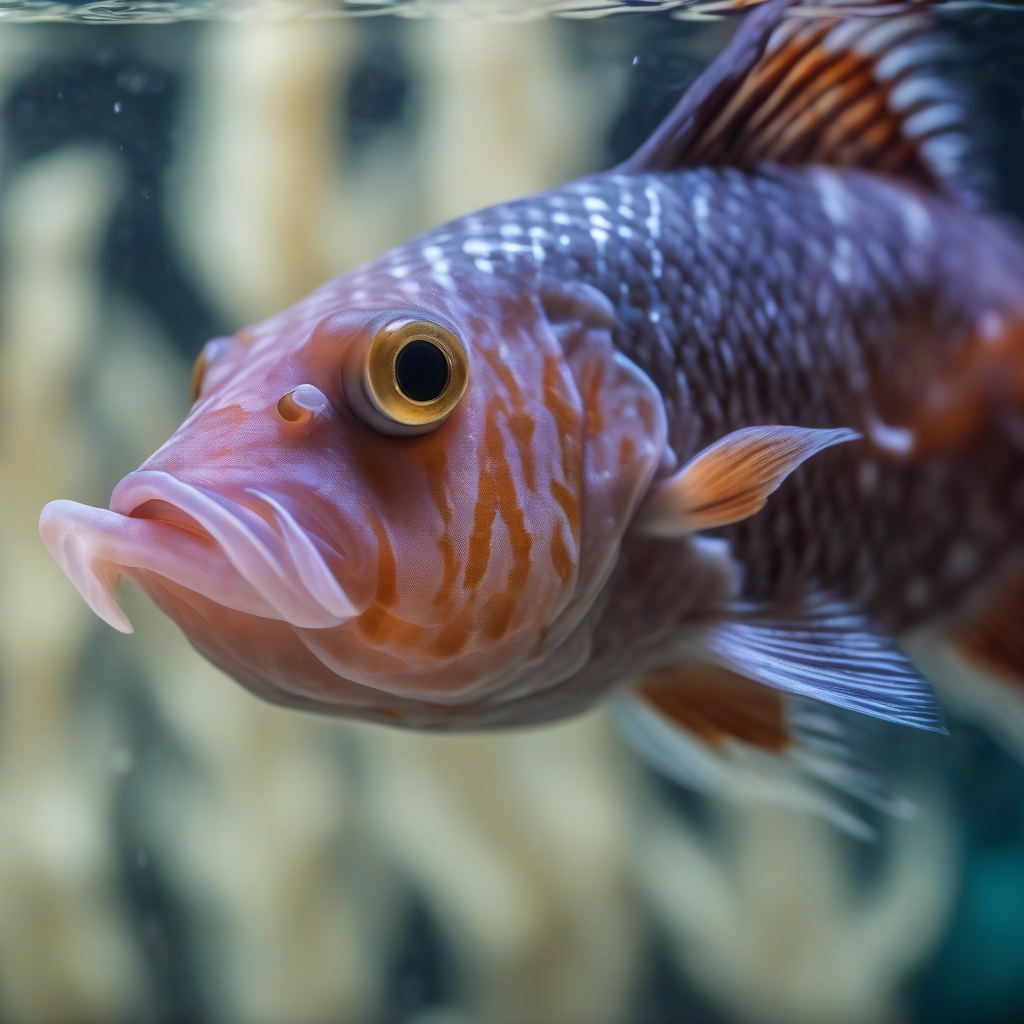
In this article, we delve into the stealthy nature, types, and life-saving early diagnosis methods of internal parasites in aquarium fish, which are often overlooked but pose a vital threat.


Discover the neurobiological signals of hidden stress your newly adopted cat experiences during adaptation to a new social environment. This article reveals 5 insidious signs of your cat's silent struggle and scientific strategies for peaceful, long-term harmony.

Your dog's anal sacs, located beneath the tail, can be hidden alarm bells often overlooked but profoundly affecting their quality of life. In this article, you will discover the 5 insidious neurobiological effects of anal sac problems on the brain and the lifesaving care secrets you need to know for your furry friend to live a peaceful life.
In this article, you will find comprehensive information on the insidious neurotoxic effects of heavy metal poisoning in aquarium fish, its symptoms, and lifesaving emergency intervention codes. This condition, which can arise from household water sources, improper equipment, or neglect, can severely threaten your fish's quality of life and lifespan.
The silent heroes of your colorful aquarium, your fish, can sometimes battle unseen, stealthy enemies. Internal parasites are "invisible killers" that deeply affect fish health and often go unnoticed until symptoms emerge. In this article, we will explore the scientific secrets of internal parasites that threaten your fish's quality of life and longevity, their stealthy onset, and life-saving early diagnosis methods. Let's delve into 5 critical, scientifically-backed steps to hear the silent whispers in your aquarium and protect your fish from these dangers.
Internal parasites, capable of settling in fish digestive systems, liver, kidneys, and even muscle tissues, often show no external signs. Their microscopic size, hidden life cycles within their hosts, and symptoms that are often confused with general stress or other diseases make them challenging to detect. These parasites hinder nutrient absorption, impair organ functions, and weaken the fish's immune system, making them more vulnerable to secondary infections. Unfortunately, their presence often goes unnoticed until fish exhibit significant weakness or sudden deaths. Factors such as poor water quality, the addition of new fish, or stress in the aquarium environment can accelerate the development and spread of parasites. Therefore, a proactive approach is key to fish health.
Internal parasites encompass a wide range of species and can vary depending on the fish type and aquarium conditions. Some of the most frequently encountered include:
They live in the digestive system and can cause weight loss, loss of appetite, or abdominal swelling. They inhibit fish growth and negatively impact their reproductive capabilities.
By residing in the intestines, they prevent the fish from absorbing nutrients, leading to chronic weakness. Some species can also settle in muscle tissues.
Protozoa like Hexamita (Spironucleus) can cause intestinal problems and "hole-in-the-head disease," especially in discus and cichlid species. These parasites opportunistically emerge when the fish's immune system is weakened.
Although rarely found in internal organs, some species can settle in the gills or skin, appearing as external parasites. Internal trematodes can cause issues in the liver or intestines.
Early detection of internal parasites in your fish is vital for successful treatment and the longevity of your aquatic companions.
Observe Behavioral Changes: Know your fish's normal behavior well. Signs such as loss of appetite, reluctance to eat (taking food into the mouth and spitting it out), hiding, clamped fins, abnormal swimming patterns (wobbling, darting), staying alone, or separating from the school are important clues. Furthermore, understanding your fish's normal behavioral patterns through Your Fish's 'Invisible Learning Loop': Scientific Secrets of Behavioral Conditioning in the Aquarium and 5 Core Training Techniques! will help you quickly notice anomalies.
Evaluate Physical Signs (Difficult to Notice Visually): Look for subtle signs such as weight loss (especially thinning along the back), lifted scales (advanced stage), pale or inflamed gills, white/clear feces (appearing hollow), red inflammation around the anus, or worms protruding. General nutritional and mineral imbalances, as discussed in the article Your Fish's 'Invisible Calcium Battle': Stealthy Secrets Threatening Bone Health and 5 Scientific Rules for Balanced Nutrition, can become more pronounced as parasites weaken the fish.
Closely Monitor Water Quality and Tank Hygiene: Dirty water, high nitrate levels, and inadequate filtration weaken fish immune systems and create a favorable environment for parasite development. Regular water changes, proper filtration, and aquarium cleaning are critically important. As stated in our content Your Fish's 'Invisible Bio-Architectural' Secrets: Hidden Sanctuaries and Stress-Reducing Micro-Habitats Preserving Aquarium Balance!, proper aquarium design and environment reduce stress, increasing resistance to parasites.
Quarantine and Observe New Fish: Every new fish entering your aquarium is a potential parasite carrier. Keeping them in a quarantine tank for a minimum of 2-4 weeks, observing for any symptoms, and applying preventive treatment if necessary, is the best way to protect your main aquarium. Additionally, adapting new fish to the aquarium using the methods in the article Your Fish's 'Invisible Social Solvers': 5 Scientific Rules for Achieving Peace with New Aquarium Neighbors reduces their stress, thereby lowering the risk of parasite spread.
Consult Microscopic Examination (With Veterinary Support): The most definitive diagnostic method is microscopic examination of fish feces or gill/skin scrapes. An experienced aquatic veterinarian can detect parasite eggs or adult parasites and formulate a specific treatment plan accordingly. Expert support is indispensable, especially for understanding the origin of gill problems, similar to what is discussed in Your Fish's 'Hidden Gill Crises': Unnoticed Oxygen Deprivation and the Scientific Secrets of Early Diagnosis!.
The treatment of internal parasites depends on the type of parasite diagnosed and is usually administered via medicated foods or medications added to the water. Active ingredients such as Metronidazole, praziquantel, and fenbendazole are commonly used. However, applying the correct medication at the right dosage and for the correct duration is crucial. Incorrect treatment can cause more harm to your fish.
Prevention is always better than cure:
Your fish's 'invisible internal parasites' are one of the stealthiest threats in the aquarium hobby. However, by carefully observing your fish's behavior, paying attention to physical signs, optimizing water quality, implementing quarantine protocols, and seeking veterinary support when needed, you can detect these threats early and combat them effectively. Remember, a healthy aquarium and happy fish begin with knowledge and careful observation.
