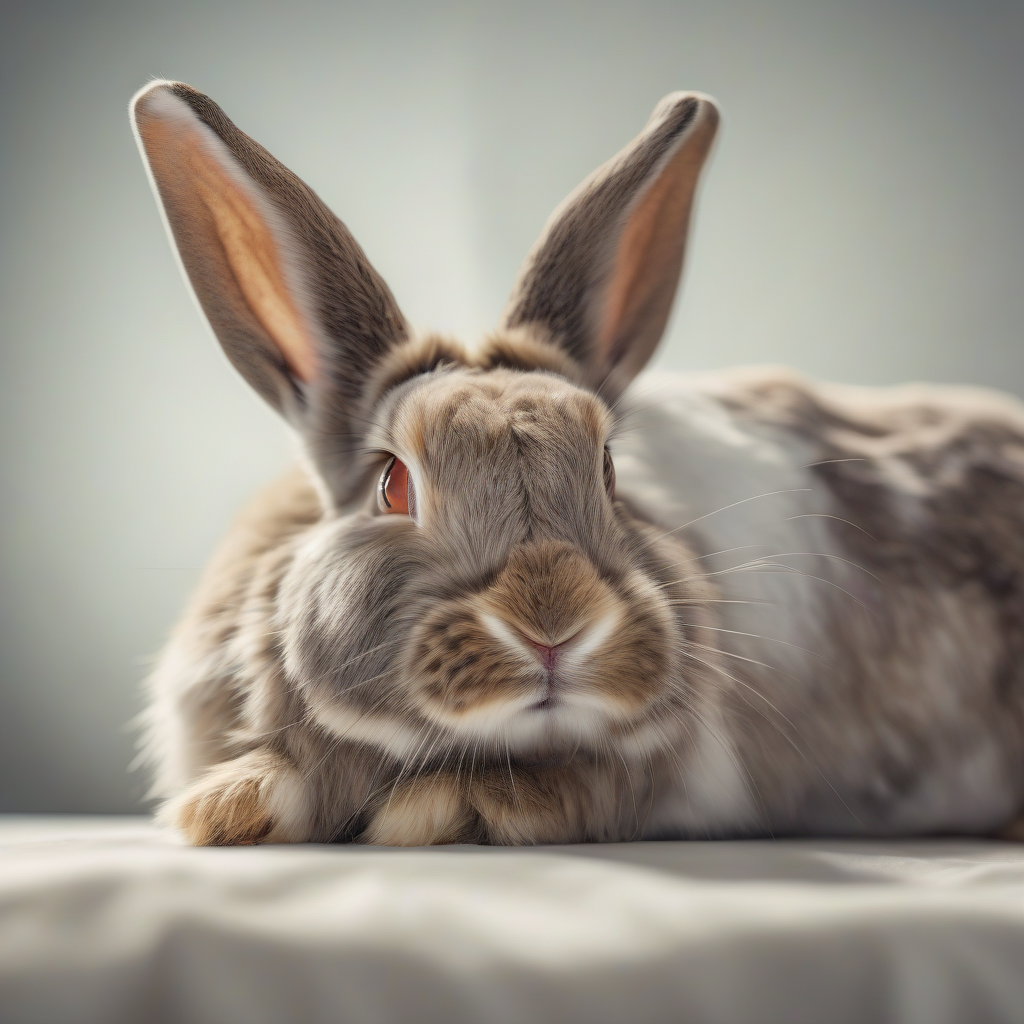
In this article, you will find comprehensive information on the scientific causes, insidious symptoms, and 5 vital steps to prevent or manage hepatic lipidosis (fatty liver disease) in rabbits, a frequently overlooked and life-threatening condition.


In this article, we will deeply explore the insidious neurobiological effects of gut microbiome imbalance (dysbiosis) on your rabbit's brain health and provide scientific-based solutions to maintain mental vitality.

In this article, you can find comprehensive information on how pancreatitis in dogs not only affects the digestive system but also insidiously impacts the brain, its neuroinflammatory mechanisms, and lifesaving emergency intervention strategies.

Discover the 5 insidious effects of overfeeding, one of the most stealthy threats to your fish's health, causing neurometabolic destruction in their brains, and learn scientific feeding strategies to prevent this demise. Uncover the silent danger in your aquarium!
Domestic rabbits bring joy to our lives with their calm and endearing nature. However, their delicate physiology makes them highly susceptible to insidious health problems that are not always evident externally. One such "invisible" enemy is Fatty Liver Disease (Hepatic Lipidosis), often triggered by improper nutrition and stress. This condition, which rises like a silent alarm in rabbits, can lead to fatal outcomes without early diagnosis and proper intervention. So, what are the scientific secrets of this stealthy disease, and how can we protect our little friends from this danger?
Fatty liver disease is a condition characterized by excessive fat accumulation in the liver cells. Despite their fast metabolisms and specialized digestive systems, rabbits are prone to developing fatty liver in response to factors such as stress, fasting, dietary changes, or rapid weight gain. Scientifically, rabbits require a strict feeding schedule and environmental stability. Sudden drops or increases in energy intake cause the body to mobilize fat stores. These fats are transported to the liver for conversion into energy, but when the liver's processing capacity is exceeded, fat cells begin to accumulate within the organ. This impairs liver function, leading to serious health issues.
Rabbits' sensitivity to stress and diet makes them more susceptible to this disease. For instance, digestive issues like GI Stasis, which we discussed in our article Your Rabbit's 'Silent Stomach Lock': The Invisible Dangers of GI Stasis and a 5-Minute Scientific Intervention Guide to Save a Life!, can also negatively impact liver metabolism.
The most insidious aspect of fatty liver disease is that its symptoms are initially quite general and mild. Rabbits, by nature, tend to hide their weaknesses, which further complicates the situation. Often, by the time the disease is noticed, it may have progressed to an advanced stage.
Recognizing these symptoms can save your rabbit's life.
To prevent your rabbit from developing fatty liver disease and to ensure proper intervention if diagnosed, it is vital to implement the following scientific approaches:
The foundation of a rabbit's diet should be high-fiber hay (such as timothy hay). This ensures the digestive system works continuously and maintains an ideal energy balance. Pellets should be given in limited amounts, and fresh greens should be varied and controlled. Avoid sudden dietary changes and introduce new foods slowly and in small quantities. Be mindful of obesity; weigh your rabbit regularly to help maintain its ideal weight.
A stable and secure environment is essential for rabbits. Provide a living space away from noise, sudden movements, and the fear of predators. Enrich the habitat with plenty of tunnels, hiding places, and chew toys. Tips from our article Your Rabbit's 'Secret Play Language': From Boredom to Mental Stimulation, Scientific Secrets and Well-being Keys! can guide you in this regard. Reducing stress helps prevent appetite loss.
A general veterinary check-up at least once a year is critically important for catching the insidious symptoms of the disease in its early stages. Your veterinarian will assess your rabbit's overall health, identify potential risk factors, and recommend advanced diagnostic methods such as blood tests or ultrasound if necessary. These check-ups become even more crucial for rabbits over 5 years of age.
Rapid weight loss or gain in rabbits can put a strain on the liver. If your rabbit is losing weight for any reason or you need to make a significant dietary change, manage this process under the guidance of your veterinarian. Slow and controlled transitions help prevent metabolic shock.
Adequate water intake is crucial for overall digestive health and liver function. Always provide access to fresh and clean water. In some cases, probiotics or liver-supporting supplements may be used as recommended by your veterinarian. However, never use such products on your own; always consult with an expert.
Fatty liver disease is a serious health problem for rabbits that should not be overlooked. With early awareness, proper nutrition, stress management, and regular veterinary check-ups, it is possible to protect our little friends from this stealthy threat. Remember, your rabbit's health is in your hands! In case of any doubt, immediately consult an exotic animal veterinarian.
