In this article, you will find comprehensive information on the scientific reasons behind hairball formation in rabbits, their stealthy symptoms, and proactive care strategies you can implement to prevent this vital risk.


In this article, we will deeply explore the insidious neurobiological effects of gut microbiome imbalance (dysbiosis) on your rabbit's brain health and provide scientific-based solutions to maintain mental vitality.

In this article, you can find comprehensive information on how pancreatitis in dogs not only affects the digestive system but also insidiously impacts the brain, its neuroinflammatory mechanisms, and lifesaving emergency intervention strategies.

Discover the 5 insidious effects of overfeeding, one of the most stealthy threats to your fish's health, causing neurometabolic destruction in their brains, and learn scientific feeding strategies to prevent this demise. Uncover the silent danger in your aquarium!
Rabbits, driven by their natural grooming instincts, constantly lick themselves, which plays a critical role in maintaining a healthy coat. However, this natural behavior also carries a serious health risk that most rabbit owners are unaware of: hairballs (trichobezoar). As of March 2026, digestive problems caused by hairballs continue to be among the most common conditions veterinarians encounter in the pet rabbit population. In this article, we will delve into the scientific secrets behind hairball formation in rabbits, their stealthy symptoms, and most importantly, the scientifically-backed care strategies you can implement to prevent this potentially fatal condition.
It is inevitable for your rabbit to ingest some fur. However, if the amount of swallowed fur exceeds your rabbit's digestive system's processing capacity, the fur can accumulate in the stomach and intestines, forming a fibrous mass. This "fur labyrinth" can block the digestive tract, preventing the passage of food and bringing vital functions to a halt. If not addressed promptly, hairballs can be fatal for rabbits.
Hairball formation is not solely related to grooming habits; it is triggered by a combination of physiological and environmental factors.
Rabbits groom themselves by licking shed fur. This increases particularly during periods of intense shedding, such as seasonal changes. Unlike cats, rabbits cannot develop a vomiting reflex, which means ingested fur must pass through the digestive system. If the digestive system is not adequately supported by fibrous material or if dehydration occurs, the fur cannot be expelled with feces and begins to accumulate.
The rabbit digestive system has evolved to function healthily with a high-fiber diet. Adequate fiber intake (especially hay) promotes gut motility, helping fur pass easily through the digestive system. Low-fiber, high-carbohydrate diets, on the other hand, slow down the digestive system and increase the risk of fur accumulation. Furthermore, sufficient water intake is vital for the proper functioning of the digestive system; dehydration can lead to hardened feces and trapped fur.
Hairballs often progress silently and stealthily. Symptoms may go unnoticed until the condition becomes severe. Therefore, observing even the slightest change in your rabbit is crucial.
Your rabbit may be less active than usual, tend to hide, or become indifferent to its surroundings. Refusal to eat, decreased water intake, or disinterest in favorite foods can be early signs of digestive problems. Additionally, changes in posture due to pain or constant teeth grinding may also be observed.
Reduced or smaller fecal pellets are one of the clearest physical signs of a hairball. The absence of any feces is an emergency. Abdominal bloating, pain or tension when touched can also be alarming. Your rabbit's fur may appear dull, unkempt, or shedding excessively.
Preventing hairball formation requires being proactive for your rabbit's health and well-being. These scientifically-backed steps will help minimize the risk.
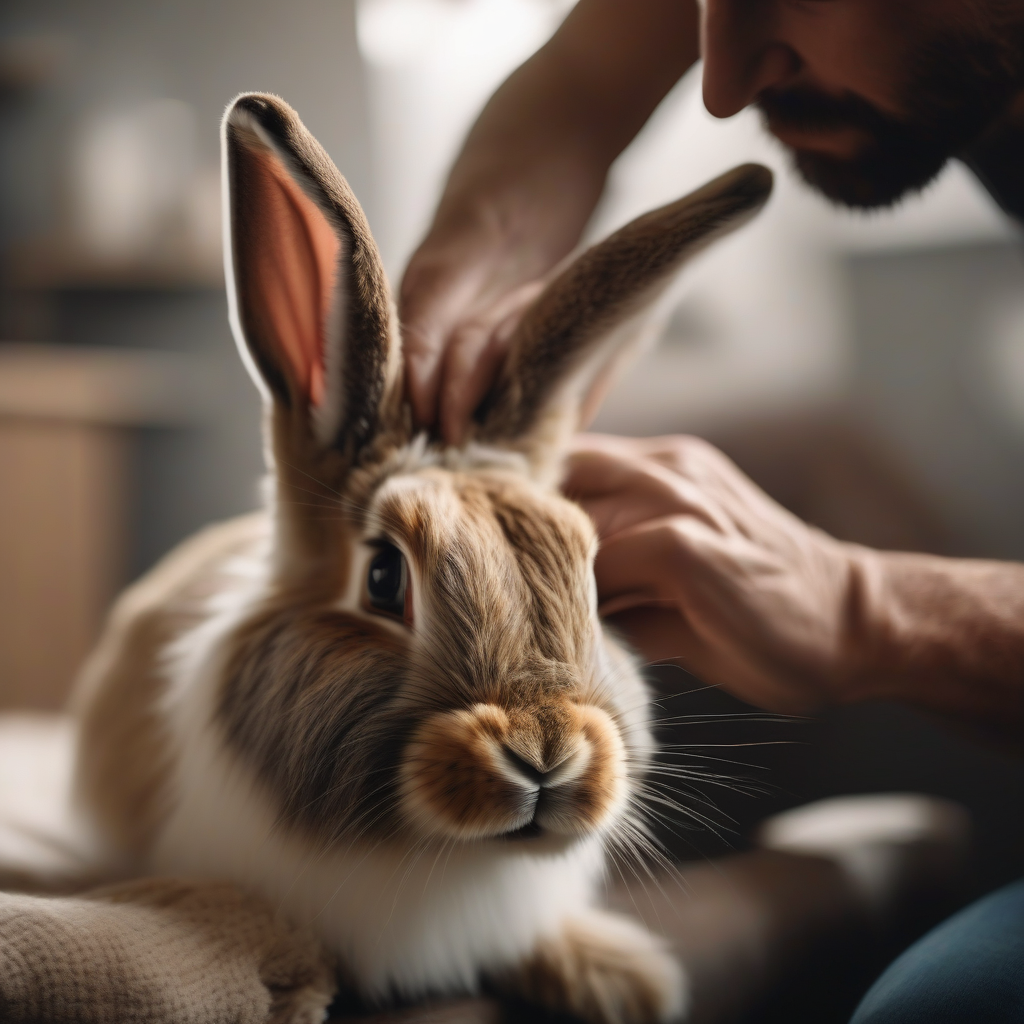
Especially during shedding periods, regularly brushing your rabbit significantly reduces the amount of fur it will ingest. Brushing at least 2-3 times a week, and daily for prone breeds, is recommended. Gently remove dead fur using a soft-bristled brush or special grooming gloves. This not only prevents hairballs but also strengthens the bond between you and your rabbit.
Quality hay (timothy, oat, orchard hay, etc.) should form the cornerstone of your rabbit's diet. Hay contains the long fibers that ensure gut motility and help fur pass regularly through the digestive system. Pelleted foods should constitute only a small portion of the diet and be supplemented with fresh vegetables. Remember that fiber sources that boost digestion are indispensable for overall pet health.
Always keep water fresh and accessible. You can encourage your rabbit to drink more water by using a water bowl or an automatic dispenser. Dehydration slows down the digestive system, increasing the risk of hairballs.
Stress can trigger digestive problems in rabbits and lead to excessive grooming. Providing a safe and stimulating environment for your rabbit helps reduce stress levels. Your rabbit's stress management affects not only its physical health but also its mental well-being. New toys, hiding places, and behavioral enrichment activities keep your rabbit happy and active.
If you notice signs of hairballs in your rabbit, it is vital to consult a veterinarian without delay. Rabbits are adept at hiding illnesses, so by the time symptoms become severe, the condition may already be advanced.
A veterinarian can diagnose the presence and severity of a hairball using methods such as physical examination, X-rays, or ultrasound. Treatment may include fluid therapy, medications to increase digestive motility, and in some cases, surgical intervention. Early diagnosis increases the chances of success for less invasive treatment methods and can save your rabbit's life. Regular veterinary check-ups are the best way to catch such stealthy dangers early.
This proactive approach to your rabbit's fur health is a fundamental step towards ensuring a long and healthy life for your rabbit companion. Armed with scientific knowledge, you can overcome the 'secret fur labyrinth' and secure your rabbit friend's well-being.
