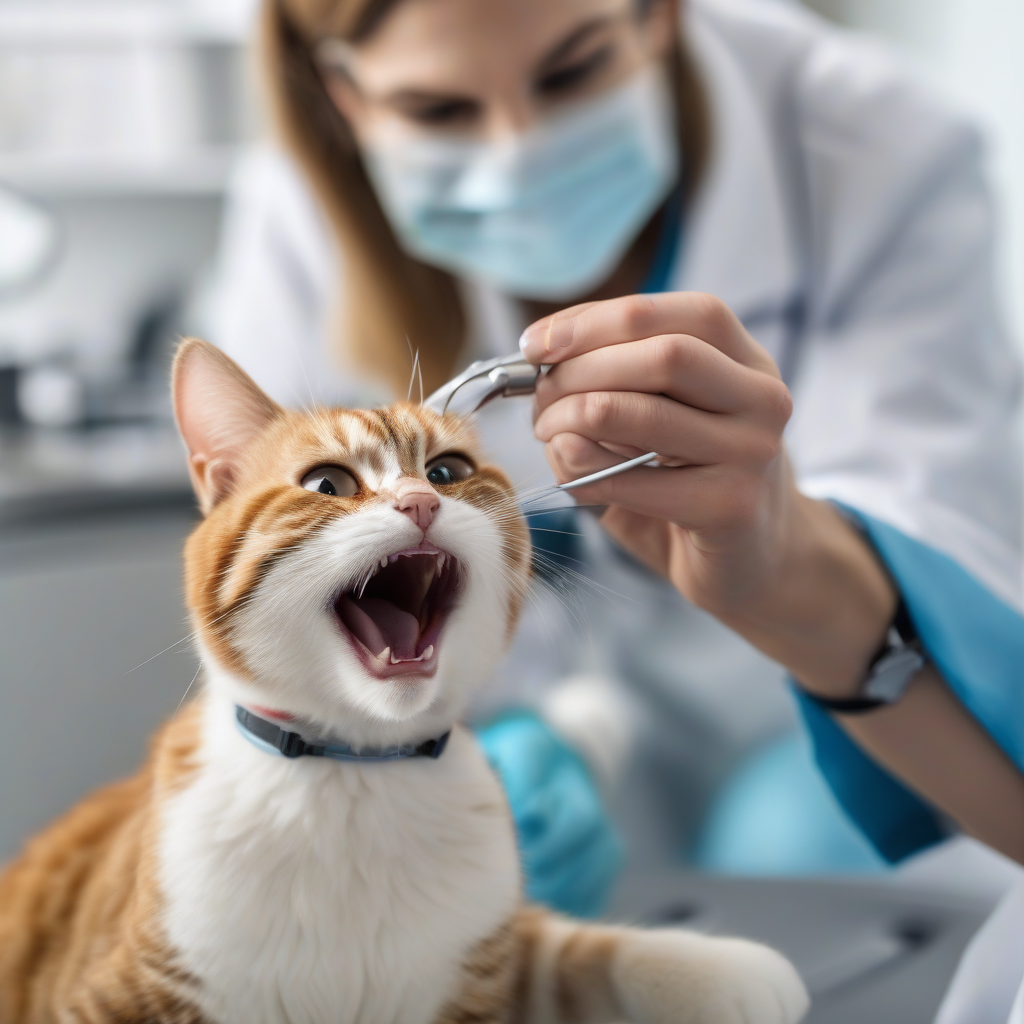
In this article, you will discover the scientific secrets of periodontal disease threatening your cat's oral health, the stealthy onset of gingivitis, and 5 scientific secrets to protect your cat from this silent threat.


Discover the neurobiological signals of hidden stress your newly adopted cat experiences during adaptation to a new social environment. This article reveals 5 insidious signs of your cat's silent struggle and scientific strategies for peaceful, long-term harmony.

Your dog's anal sacs, located beneath the tail, can be hidden alarm bells often overlooked but profoundly affecting their quality of life. In this article, you will discover the 5 insidious neurobiological effects of anal sac problems on the brain and the lifesaving care secrets you need to know for your furry friend to live a peaceful life.
In this article, you will find comprehensive information on the insidious neurotoxic effects of heavy metal poisoning in aquarium fish, its symptoms, and lifesaving emergency intervention codes. This condition, which can arise from household water sources, improper equipment, or neglect, can severely threaten your fish's quality of life and lifespan.
Your cat's purrs, playful antics, and intelligent gaze reflect the joy and complexity of their world. Yet, a silent danger lurks in the lives of these beloved creatures, one that can lead to devastating consequences if unnoticed: Periodontal disease. What most cat owners associate merely with bad breath is, in fact, a complex inflammatory process that can affect the entire body. As of March 2026, the latest scientific advancements in veterinary medicine reveal that feline oral health is not limited to the teeth alone but has profound effects on vital organs such as the heart, kidneys, and liver. In this article, we will uncover the invisible enemies in your cat's mouth, the stealthy onset of gingivitis, and 5 scientific secrets to protect your feline friend from this silent threat.
Gingivitis and its more advanced form, periodontal disease, are among the most common health problems in cats, estimated to affect over 70% of felines aged two years and older. This process begins with plaque, a sticky film that accumulates on tooth surfaces as oral bacteria combine with food particles. If plaque is not regularly removed, it mineralizes, hardening into tartar. Tartar, with its rough surface, provides a fertile ground for further plaque accumulation and facilitates bacteria's penetration beneath the gum line.
Bacteria accumulating below the gum line trigger a response from the cat's immune system, leading to inflammation of the gums. This initial inflammation is known as gingivitis, a reversible condition. However, if left untreated, the inflammation deepens, spreading to the bone and connective tissues that support the teeth. Once this stage is reached, irreversible periodontitis occurs. Teeth loosen, severe pain ensues, and eventually, tooth loss becomes inevitable.
The chronic inflammation and bacterial load in your cat's mouth are more than just a local problem. Scientific studies clearly demonstrate that bacteria from periodontal disease, along with the inflammatory molecules they trigger, can spread throughout the body via the bloodstream. This can predispose organs like the heart, kidneys, and liver to infections and chronic diseases.
For instance, oral bacteria can settle on heart valves, leading to serious cardiac conditions such as endocarditis. As kidneys are the main organs filtering toxins from the body, chronic inflammation and bacterial load can negatively impact kidney function and increase the risk of kidney failure. Similarly, the liver can also be affected by this systemic inflammation. Therefore, your cat's oral health is critically important for their overall quality of life and longevity. Digestive issues, such as your cat's hidden food sensitivities, are directly related to oral health, as inadequate chewing or inappropriate diets can accelerate plaque and tartar formation.
Protecting your cat's oral health is not solely the veterinarian's responsibility; it must be an integral part of your daily care routine. Here are 5 critical, science-backed steps:
Brushing is the most effective method of oral hygiene, but not every cat tolerates it. Fortunately, scientifically formulated dental diets and oral health-supporting treats are available. These products, with their special fibrous texture, help mechanically clean tooth surfaces during chewing. Additionally, water additives and dental sprays can also be effective in reducing plaque formation. These products typically contain antibacterial or plaque-inhibiting ingredients. You should consult your veterinarian to choose the most suitable products for your cat.
Cats are masters at hiding pain. Therefore, recognizing the early signs of periodontal disease can be challenging. However, a careful observer may notice subtle changes in their cat's behavior. Symptoms such as loss of appetite, chewing on one side, backing away from food, excessive drooling, pawing at the mouth, rubbing their face, or lethargy can indicate an oral problem. Furthermore, changes in grooming habits can also be a sign of infection or inflammation. If your cat is more irritable than usual, avoids social interaction, or hides, it could be a sign of pain or general discomfort.
No matter how good home care is, tartar and subgingival plaque deposits can only be effectively removed with a professional veterinary dental cleaning. This procedure, performed under anesthesia, allows the veterinarian to thoroughly examine all tooth surfaces, below the gum line, and the gums themselves, clean tartar with ultrasonic devices, and polish the teeth. These routine check-ups not only address existing problems but are also critical for preventing serious periodontal diseases in the future. Regular veterinary visits are essential to maximize your cat's overall well-being.
Many cat oral health products are available on the market, but not all are based on the same scientific principles or show the same efficacy. Products endorsed by the Veterinary Oral Health Council (VOHC) are generally backed by scientific studies and proven to reduce plaque/tartar formation. These products include special dental foods, water additives, toothbrushes, and toothpastes. When selecting products, it is best to consult your veterinarian, considering your cat's tolerance and needs.
Your cat's oral health is an inseparable part of its overall health. Stress levels, nutritional quality, genetic predisposition, and lifestyle can all influence the development of periodontal disease. Regular play, mental stimulation, a high-quality diet, and environmental enrichment aimed at reducing stress can positively impact oral health by strengthening the immune system and supporting general health. Remember, a happy and stress-free cat tends to have a stronger immune system and, consequently, healthier oral structures.
Your cat's 'Silent Mouth Alarm' is a health issue that can be easily overlooked by owners but can lead to serious consequences. Understanding the scientific secrets of gingivitis and periodontal disease is the first step to protecting your cat's overall health. With regular home care, professional cleanings under veterinary supervision, and appropriate nutritional strategies, you can protect your cat from this invisible threat and ensure they live a long and healthy life. Remember, a healthy mouth is the key to a healthy cat.
