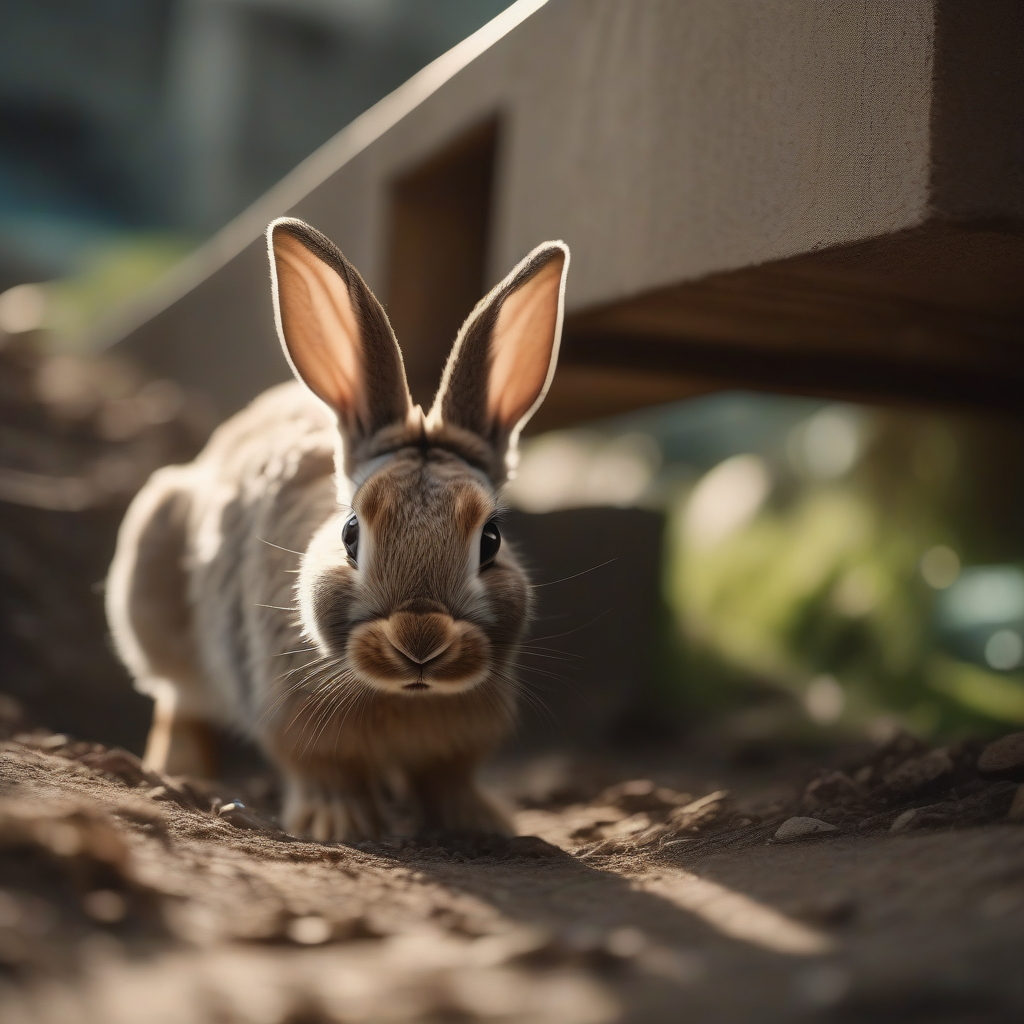
In this article, discover 5 critical points hidden in your rabbit's habitat that scientifically enhance their welfare. Tips supported by scientific data cover reducing fur ball formation and stress management.

In this article, we will deeply explore the insidious neurobiological effects of gut microbiome imbalance (dysbiosis) on your rabbit's brain health and provide scientific-based solutions to maintain mental vitality.

In this article, you can find comprehensive information on how pancreatitis in dogs not only affects the digestive system but also insidiously impacts the brain, its neuroinflammatory mechanisms, and lifesaving emergency intervention strategies.

Discover the 5 insidious effects of overfeeding, one of the most stealthy threats to your fish's health, causing neurometabolic destruction in their brains, and learn scientific feeding strategies to prevent this demise. Uncover the silent danger in your aquarium!
Rabbits are not as simple as they appear on the surface. Beneath their outward appearance lies a profound complexity and sensitivity. Their living spaces are more than just shelter; they are an ecosystem that directly impacts their physical and mental health. Unfortunately, many pet owners struggle to optimize their rabbits' habitats because they don't fully understand their natural behaviors and needs.
In this article, we will delve into 5 critical points often overlooked in your rabbit's habitat, which scientifically enhance their welfare. These secrets will not only help you create a 'happy pet' but also assist you in preventing serious health issues such as Your Rabbit's 'Silent Stomach Lock': The Invisible Dangers of GI Stasis and 5 Lifesaving 5-Minute Scientific Intervention Guide!.
Rabbits are animals that live in large areas in the wild, are constantly alert, and exist within complex social structures. How well does the habitat we provide for our pet rabbits meet these natural needs? This question is key to their physical and mental health. The quality of a rabbit's living space encompasses not just shelter but also their nutritional, sleep, play, and security needs.
Wild rabbits dig complex tunnel systems to protect themselves from predators and live comfortably. Creating a similar 'hidden world' for our pet rabbits reduces their stress levels and allows them to exhibit their natural behaviors.
Rabbits feel more dominant when they are at a higher social position within their hierarchy. Therefore, creating 'observation posts' in their habitat satisfies this drive and allows them to better survey their surroundings. This offers insights into understanding social dynamics, much like Your Bird's 'Invisible Social Status': The Scientific Codes of Home 'Flock' Hierarchy and 5 Critical Steps for Peaceful Integration!, but it's also applicable to rabbits.
Rabbits groom themselves by licking, and the fur they ingest during this process can accumulate in their gastrointestinal tracts, leading to potentially fatal hairballs (GI stasis). The texture and digestibility of the materials used in their habitat play a critical role in reducing this risk.
A rabbit's habitat should be not just a physical space but also a mental playground. A boring and monotonous environment can lead to stress, behavioral issues, and even depression in rabbits. Information like Your Rabbit's 'Hidden Stress Compass': The Neurological Effects of Environmental Changes and 5 Scientific Strategies for a Calm Life! is crucial for understanding this sensitivity.
Rabbit respiratory tracts are quite sensitive, and the air quality in their habitat directly affects their overall health. Dusty environments, the smell of ammonia (due to urine accumulation), and excessive humidity can lead to respiratory problems and other health issues.
In conclusion, arranging your rabbit's habitat based on scientific principles not only ensures their physical comfort but also supports their mental well-being. These small yet significant changes will strengthen your bond with your rabbit and help them lead a happier, healthier life. Remember, every rabbit is an individual, and understanding their specific needs is the key to creating the best possible living environment.
