
In this article, you will explore the profound and often overlooked physiological effects of aquarium substrate on your fish's health from a scientific perspective, and discover 5 critical secrets for optimal care.


Discover the neurobiological signals of hidden stress your newly adopted cat experiences during adaptation to a new social environment. This article reveals 5 insidious signs of your cat's silent struggle and scientific strategies for peaceful, long-term harmony.

Your dog's anal sacs, located beneath the tail, can be hidden alarm bells often overlooked but profoundly affecting their quality of life. In this article, you will discover the 5 insidious neurobiological effects of anal sac problems on the brain and the lifesaving care secrets you need to know for your furry friend to live a peaceful life.
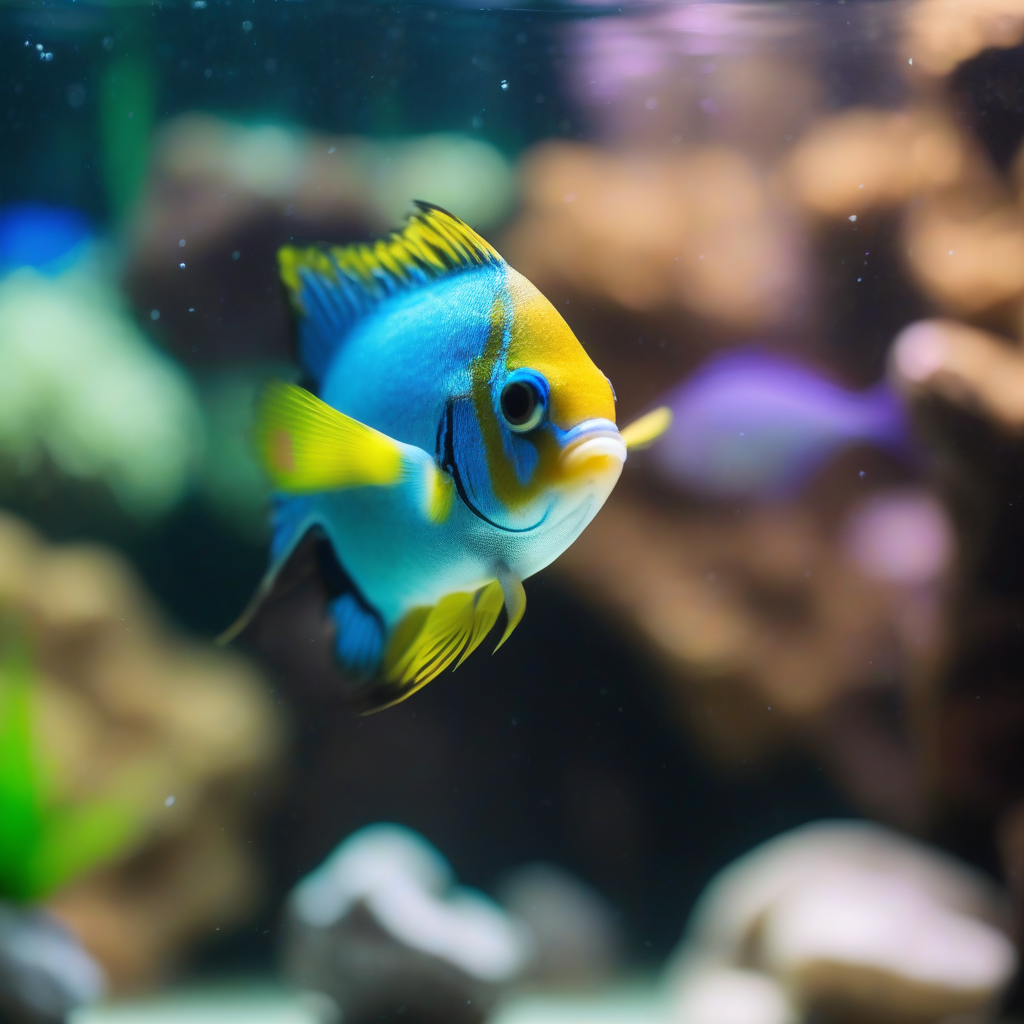
In this article, you will find comprehensive information on the insidious neurotoxic effects of heavy metal poisoning in aquarium fish, its symptoms, and lifesaving emergency intervention codes. This condition, which can arise from household water sources, improper equipment, or neglect, can severely threaten your fish's quality of life and lifespan.
The aquarium hobby opens the doors to an aesthetic underwater world, but it also requires understanding the complex biological needs of our aquatic inhabitants. One of the often-overlooked elements that plays a critical role in your fish's overall health and well-being is the substrate that forms the bottom of the aquarium. This "invisible root system" is not just a decorative element, but a dynamic micro-habitat that interacts deeply with your fish's physiology, behavior, and immune system. In March 2026, WikiPet sheds light on the scientific effects of substrate on your fish and the secrets to optimal care.
Substrate selection and maintenance directly determine many physiological processes that profoundly affect your fish's quality of life. Let's take a closer look at the scientific dimensions of these effects:
Fish are in constant contact with the bottom of their living environment. The grain size, surface texture, and cleanliness of the substrate can either be a protective shield or a threat to their delicate fin and skin structures. Excessively rough or sharp-edged gravel can cause fin tears, abrasions, and dermal lesions in bottom-dwelling fish (Corydoras, Plecos, etc.). These microscopic injuries can invite secondary bacterial or fungal infections. On the other hand, fine-grained, rounded sand substrates protect the fins and barbels of species that naturally sift through the bottom for food. A healthy biofilm layer that forms on the surface of a healthy substrate can interact with the fish's mucosal armor, forming a natural barrier against pathogens. This is directly related to your fish's Invisible Mucus Armor: Scientific Care Secrets to Ward Off Stress and Diseases.
Some fish species sift or dig through the substrate with their mouths to search for food. For example, Corydoras catfish take fine sand into their mouths, filter out food particles, and then expel the sand through their gills. This natural behavior is essential for the healthy functioning of their digestive system. A substrate that is too large or sharp-grained can hinder the feeding behavior of such species, cause injuries to their mouths and gills, or even lead to intestinal blockages if swallowed accidentally. Appropriate substrate also contributes to the development of beneficial microorganisms that aid digestion.
Fish are adapted to the bottom structures of their natural habitats. The type and color of the aquarium substrate can directly affect their stress levels. Light-colored, reflective substrates can create a constant perception of threat in some fish species (especially those accustomed to darker tones), leading to chronic stress. Darker or natural-looking substrates, however, make fish feel more secure, allowing them to display their natural colors and exhibit behaviors such as hiding and exploring more comfortably. Stress can weaken the fish's immune system, reducing its resistance to diseases.
The substrate provides a large surface area for nitrifying bacteria, which form the basis of the aquarium's biological filtration. These bacteria convert toxic substances like ammonia and nitrite from fish waste into less harmful nitrates. A healthy substrate microbiome means stable water parameters, which are vital for the fish's immune system. Dirty or unsuitable substrate can lead to the accumulation of ammonia and nitrite, causing fish to become stressed, weakening their immune systems, and thus making them more vulnerable to various diseases such as Invisible Internal Parasites. Furthermore, excessive compaction or lack of aeration in the substrate can create anaerobic pockets, leading to the production of toxic hydrogen sulfide gas, which can cause severe respiratory problems like your Fish's 'Breathing Alarm': Invisible Signals of Oxygen Deficiency in the Aquarium.
For many fish species, the substrate is an integral part of their reproductive behavior. Some species scatter their eggs on the substrate (e.g., tetra species), while others lay their eggs in pits dug in the sand and hide their fry there (e.g., cichlids). The correct grain size of the substrate, providing adequate adhesion surface, or offering sufficient hiding places for fry, is crucial for reproductive success. Incorrect substrate selection can lead to eggs fungusing, being eaten, or fry being unable to stay safe, resulting in unsuccessful breeding attempts.
To support your fish's physiological health, you should approach substrate care with a scientific perspective:
Consider your fish's natural behaviors and physiological needs (e.g., sand sifting, digging) and choose substrates with appropriate grain size (sand, fine gravel) and rounded edges. For tropical fish, sand or fine gravel with a diameter of 1-3 mm is generally ideal.
Regularly clean accumulated food residues, feces, and other organic matter using a substrate vacuum. However, avoid excessive cleaning; allow the substrate to retain some biofilm to maintain biological balance. Clean large-grained substrates more frequently and fine sands more gently.
Porous substrates with a large surface area (e.g., specialized aquarium sands or some volcanic rocks) provide an ideal habitat for nitrifying bacteria. This is a key factor for your Fish's 'Invisible Chemical Labyrinth': Scientific Secrets of the Biofilm Ecosystem in the Aquarium. In a new setup, you might consider using special bacterial cultures to accelerate biological activity.
Prefer matte, dark-colored substrates that are close to the natural habitat colors of your fish. This helps them feel more secure, reduces their stress levels, and allows them to display their natural colors better.
In planted aquariums, use nutrient-rich specialized substrates for the development of plant roots. Such substrates are often combined with a more decorative and functional sand layer on top. Plant roots also help aerate the substrate and reduce detritus accumulation.
The aquarium substrate is not just a part of your tank, but also your fish's "invisible root system." It has profound effects on every aspect, from physiological health to behavioral welfare, from reproductive success to resistance against diseases. By choosing the correct substrate and performing regular maintenance based on scientific principles, you can provide a healthier, happier, and more natural living environment for your fish. Remember, a well-maintained substrate means a well-maintained aquarium and healthy, vibrant fish.
