
Discover the stealthy dangers within your hamster's digestive system and the scientific care secrets to prevent this common issue. Protect your hamster's health with this comprehensive guide.


Discover the neurobiological signals of hidden stress your newly adopted cat experiences during adaptation to a new social environment. This article reveals 5 insidious signs of your cat's silent struggle and scientific strategies for peaceful, long-term harmony.

Your dog's anal sacs, located beneath the tail, can be hidden alarm bells often overlooked but profoundly affecting their quality of life. In this article, you will discover the 5 insidious neurobiological effects of anal sac problems on the brain and the lifesaving care secrets you need to know for your furry friend to live a peaceful life.
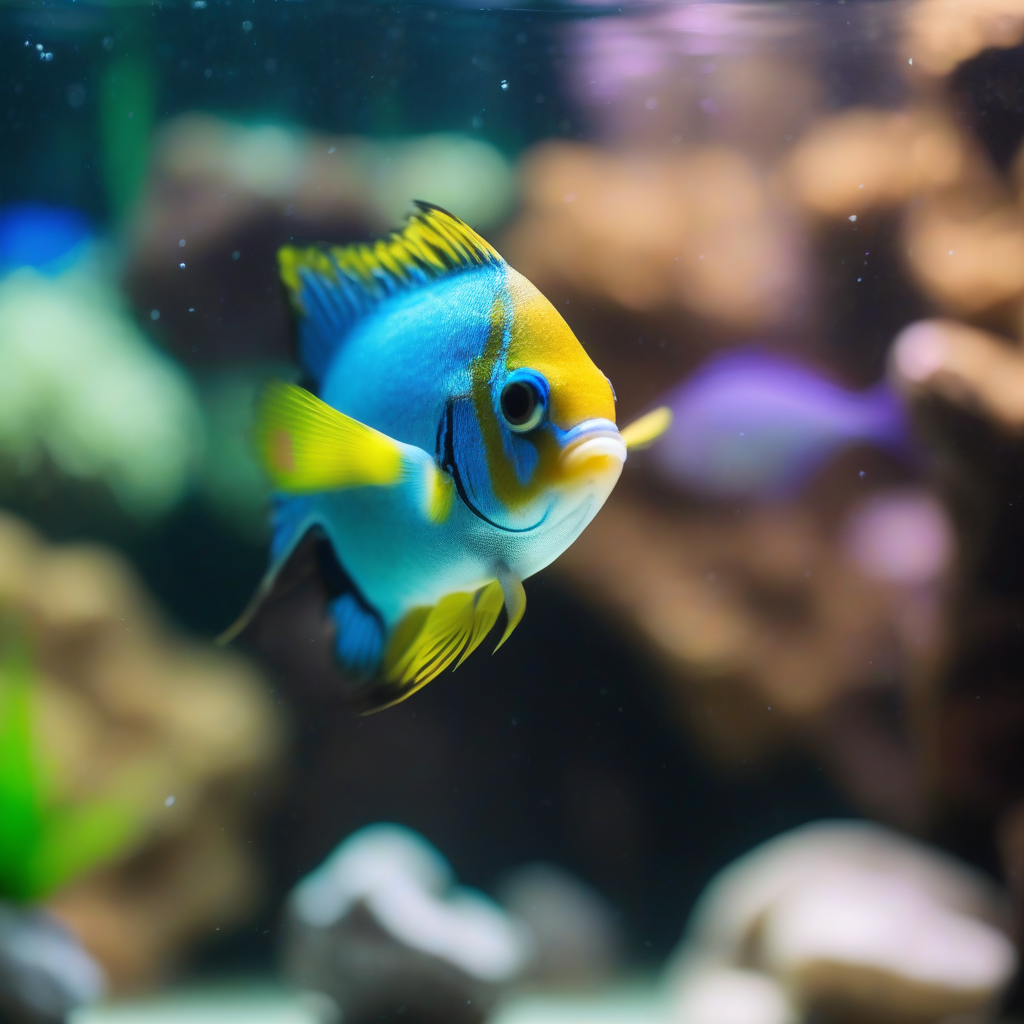
In this article, you will find comprehensive information on the insidious neurotoxic effects of heavy metal poisoning in aquarium fish, its symptoms, and lifesaving emergency intervention codes. This condition, which can arise from household water sources, improper equipment, or neglect, can severely threaten your fish's quality of life and lifespan.
Hamsters, despite their tiny bodies, have surprisingly delicate digestive systems. Their defecation regularity is often one of the most crucial indicators of their health. However, sometimes an 'invisible constipation wall,' which can easily be overlooked, can threaten your hamster. This wall makes it difficult for feces to pass, leading to a range of health problems. In this article, we will delve deep into these insidious dangers within your hamster's digestive system and explore how you can build a scientific shield against them.
Hamsters have a relatively short lifespan, and a healthy digestive system throughout this period forms the foundation for them to remain energetic, happy, and free from illness. The inability to effectively eliminate waste products can lead to the accumulation of toxins in the body and a cascade of serious issues.
Constipation means the digestive system is slowing down or has stopped. This leads to undigested food and waste lingering in the intestines for extended periods. Harmful bacteria in the gut take advantage of this waiting period to multiply, and the toxins they produce can then enter the bloodstream through the intestinal wall. This insidious accumulation causes loss of appetite, lethargy, abdominal bloating, and a general feeling of discomfort. If left untreated, these toxins can damage vital organs like the liver and kidneys.
Gastrointestinal Stasis (GI Stasis), often caused by improper diet, stress, or dehydration, is a complete halt of the digestive system in hamsters. This is characterized by a loss of motility in the stomach and intestines. It might not show obvious external symptoms, hence its name, the 'silent stomach lock.' If you notice your hamster is generally unwell, not eating, and their abdomen appears bloated, you should seek veterinary attention immediately. GI Stasis is a life-threatening condition that requires prompt intervention.
Our related article: Your Rabbit's 'Silent Stomach Lock': The Invisible Dangers of GI Stasis and a 5-Minute Lifesaving Scientific Emergency Guide!
Fiber is crucial for the proper functioning of a hamster's digestive system. Fiber helps to add bulk to the stool, allowing it to pass more easily through the intestines. A lack of fiber can result in dry, hard stools, triggering constipation. Additionally, an excessive amount of indigestible protein can increase the digestive burden. A balanced diet must include adequate fiber and appropriate protein levels.
Our related article: Your Cat's Hidden 'Digestive Labyrinth': The Dark Secrets Behind Grains and the Scientific Roadmap of the Gluten-Free Revolution
Hamsters' water intake is often overlooked, but adequate fluid intake is vital for smooth digestion. Dehydration causes stools to dry out and harden, paving the way for constipation. Ensure your hamster always has access to fresh, clean water.
Hamsters are creatures of habit, and sudden changes in their environment, difficulty adapting to new surroundings, or stressors like loud noises can negatively impact their digestive system. Stress can slow down intestinal movements, leading to constipation. Providing a calm and secure habitat supports their physical and mental well-being.
Our related article: Your Dog's 'Hidden Space Stress': 5 Stealthy Dangers Causing Discomfort at Home and Scientific Solutions
Incorporate fiber-rich foods into your hamster's diet to support their digestive system. High-quality hamster food, fresh vegetables (in moderation, such as carrots, cucumbers), and occasional protein sources like boiled eggs offer a balanced diet. Avoid excessively sugary or fatty foods. Fiber-rich seeds and grains also aid digestion.
Our related article: Your Hamster's 'Superfood Shield': Hidden Fiber Sources Supporting Digestion and Their Defense Against Illnesses!
Always provide clean, fresh water in your hamster's cage. If you use a water bottle, check it regularly to ensure it's not clogged. Some hamsters also rely on the moisture from vegetables, but the main water source should always be accessible.
Provide a calm and secure environment for your hamster. The cage's location should be away from sudden noises and temperature fluctuations. Offering various nesting materials, hiding places, and safe chewing toys (like paper towel rolls, cardboard boxes) helps reduce their stress levels and positively impacts their digestive system.
Our related article: Your Hamster's Hidden Mini-Mega Cities: Scientific Secrets of Habitat Design for Maximum Welfare and 5 Next-Gen Design Principles!
Regularly observe your hamster's defecation habits. Check for normal stool consistency, color, and frequency. Any change, such as hardness, dryness, or lack of defecation, can be a warning sign. In cases of sudden and severe constipation, seek immediate veterinary care from a veterinarian experienced with hamsters.
If you notice significant signs of constipation in your hamster (loss of appetite, lethargy, abdominal swelling, inability to defecate), consult a veterinarian experienced with hamsters rather than attempting home remedies. The veterinarian will assess the situation, make a diagnosis, and administer appropriate treatment if necessary. These treatments may include specific dietary recommendations, fluid therapy, or medication.
Remember, the health of your small companion is in your hands. Overcoming the 'invisible constipation wall' and keeping your hamster's digestive system healthy is possible with the right knowledge and careful care.
