In this article, you will discover Aspergillosis, a deadly fungal infection common in pet birds but often overlooked, and learn how to recognize this 'silent breath killer' and intervene with scientific methods.


In this article, we will deeply explore the insidious neurobiological effects of gut microbiome imbalance (dysbiosis) on your rabbit's brain health and provide scientific-based solutions to maintain mental vitality.

In this article, you can find comprehensive information on how pancreatitis in dogs not only affects the digestive system but also insidiously impacts the brain, its neuroinflammatory mechanisms, and lifesaving emergency intervention strategies.

Discover the 5 insidious effects of overfeeding, one of the most stealthy threats to your fish's health, causing neurometabolic destruction in their brains, and learn scientific feeding strategies to prevent this demise. Uncover the silent danger in your aquarium!
Pet birds, with their delicate respiratory systems, are susceptible to diseases that can hide their symptoms for extended periods. One such "silent breath killer" is Aspergillosis, caused by species of the mold fungus Aspergillus. As of March 2026, the latest research in veterinary science emphasizes the critical role of early diagnosis and scientifically based intervention in saving your bird's life from this insidious infection. In this article, we will delve into the nature of Aspergillosis, its elusive signs, and lifesaving scientific solutions.
Aspergillosis is a common and often fatal respiratory tract infection in birds, primarily caused by a fungus called Aspergillus fumigatus. These fungal spores are abundant in the natural environment and in our homes, found in the air, soil, decaying vegetation, and even stale feed. Birds can become infected when they inhale these spores.
What makes Aspergillosis particularly dangerous is its insidious progression. While a bird with a strong immune system can usually neutralize the spores, in birds weakened by stress, poor nutrition, lack of hygiene, or another illness, the fungus can settle and multiply in the respiratory tract (especially in the air sacs and lungs). Over time, fungal colonies can grow, obstructing airflow, producing toxins, and even entering the bloodstream to spread to internal organs (liver, kidneys, brain). This systemic spread makes the disease very difficult to treat and often leads to sudden death.
Early diagnosis of Aspergillosis is vital for successful treatment, but the symptoms can often be general and misleading. Here are the 'insidious' signs you should watch out for:
Hearing wheezing, clicking, or "whistling" sounds in breathing, which should normally be silent, is a serious alarm sign. Your bird bobbing its tail or stretching its neck to breathe is a clear indicator of respiratory distress. This can be caused by inflammation or obstruction in the air sacs.
A drop in energy levels, less willingness to fly or move, constant drowsiness, and loss of normal playful behaviors may be observed. Your bird's tendency to sit at the bottom of the cage indicates general weakness.
A decrease in your bird's appetite or weight loss despite eating indicates that the infection is progressing and affecting its metabolism. As mentioned in the article, Your Bird's 'Hidden Nutrient Crystals': 5 Subtle Signs of Vitamin and Mineral Deficiencies and Their Scientific Solutions, nutritional deficiencies can weaken the immune system.
Abnormal changes in beak color or texture, feather plucking, or dull, ruffled feathers can be reflections of underlying health issues. Fungal infections can affect nutrient absorption, leading to such secondary symptoms.
Your bird's normal calls or ability to speak may weaken, experience hoarseness, or even complete loss of voice. This can occur if the fungus settles in areas near the voice box or trachea.
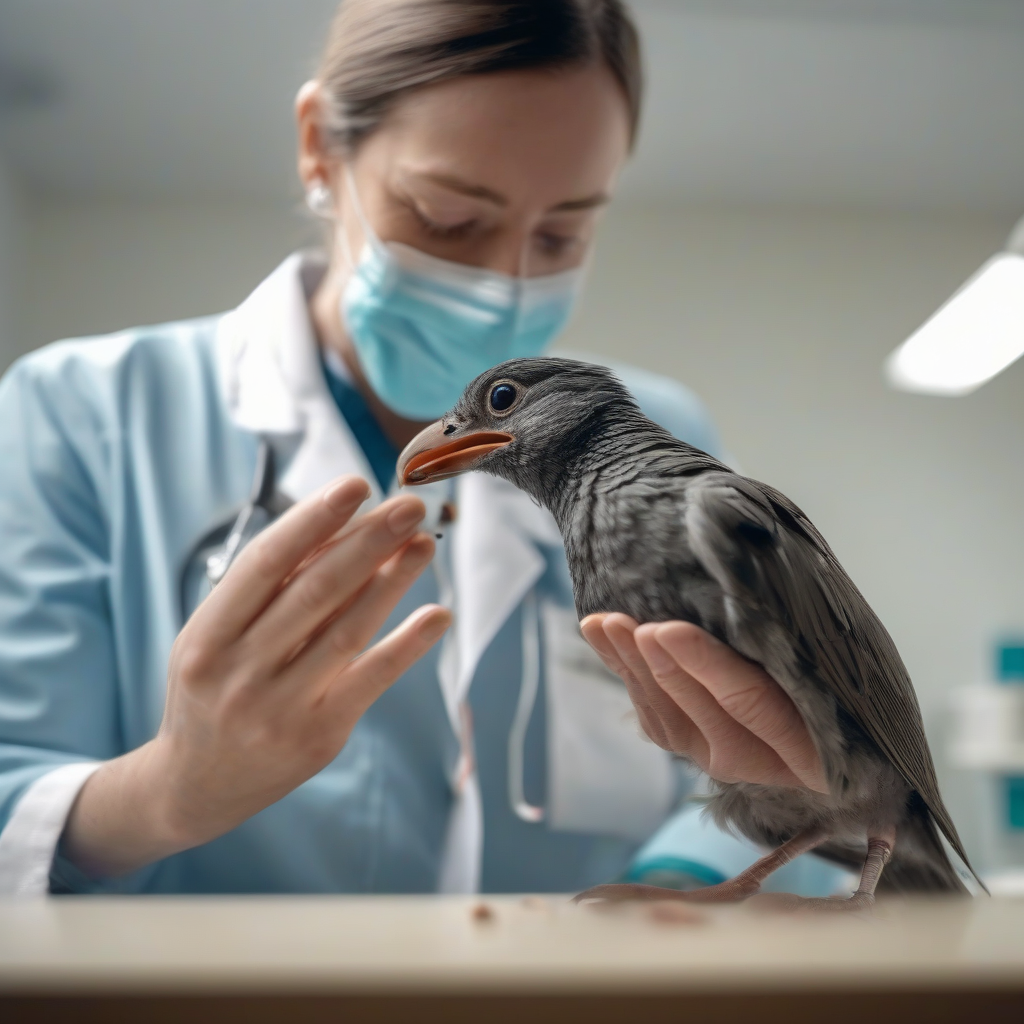
In case of suspected Aspergillosis, it is crucial to consult an avian veterinarian without delay. Early and accurate diagnosis significantly increases the success of treatment.
Your veterinarian may use advanced methods in addition to a physical examination:
Treatment typically needs to be long-term and aggressive:
The best treatment is to prevent the disease from occurring:
While Aspergillosis is a frightening threat for pet bird owners, it can be diagnosed early with knowledge and careful observation. Paying attention to even the slightest changes in your bird's behavior, regular veterinary check-ups, and scientifically based preventive measures are your strongest defense against this 'silent breath killer.' Remember, a healthy bird is a happy bird!
