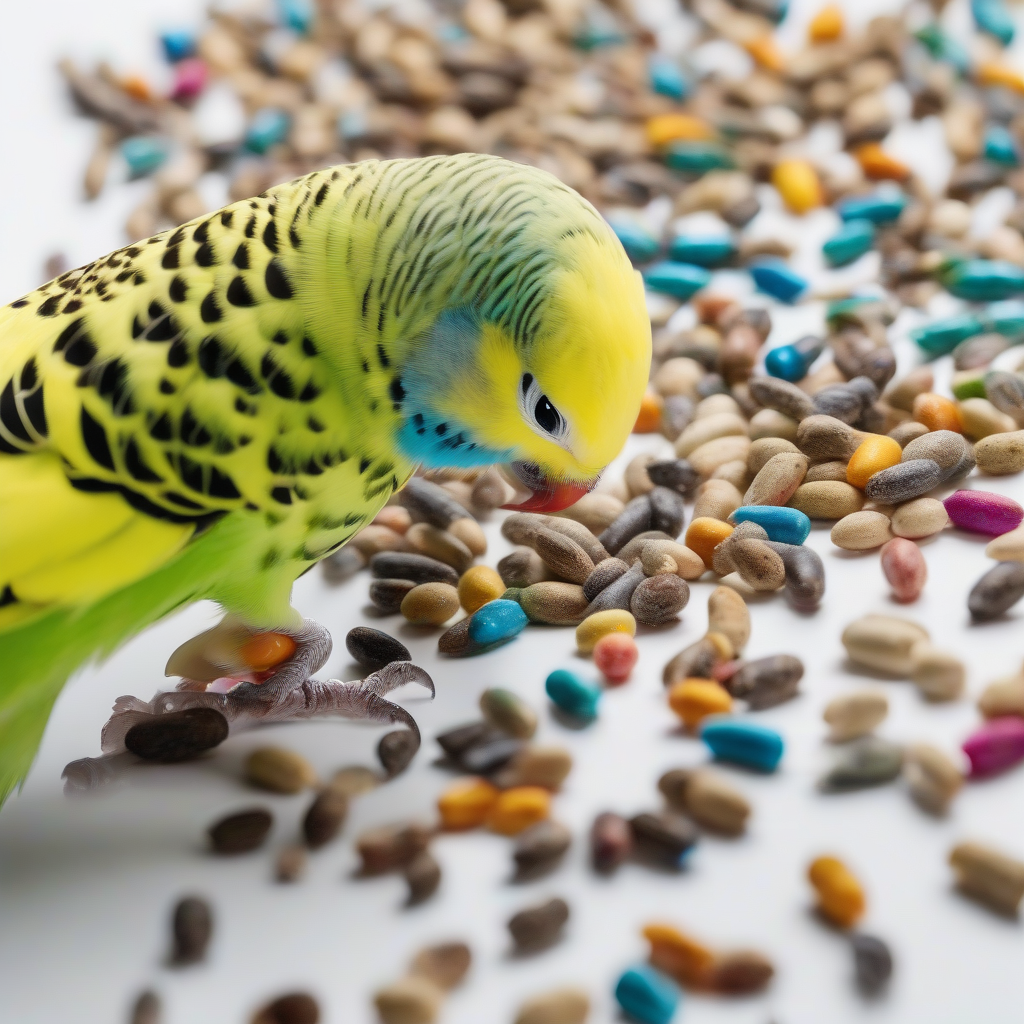
In this article, you will find 5 subtle, often overlooked signs of vitamin and mineral deficiencies in your bird, along with scientific solutions.


In this article, we will deeply explore the insidious neurobiological effects of gut microbiome imbalance (dysbiosis) on your rabbit's brain health and provide scientific-based solutions to maintain mental vitality.

In this article, you can find comprehensive information on how pancreatitis in dogs not only affects the digestive system but also insidiously impacts the brain, its neuroinflammatory mechanisms, and lifesaving emergency intervention strategies.

Discover the 5 insidious effects of overfeeding, one of the most stealthy threats to your fish's health, causing neurometabolic destruction in their brains, and learn scientific feeding strategies to prevent this demise. Uncover the silent danger in your aquarium!
Our pet birds' vibrant colors, cheerful chirps, and intelligent behaviors are what deeply connect us to them. However, the health of these tiny creatures can be profoundly affected by nutritional deficiencies that are not always obvious from the outside, almost like 'hidden nutrient crystals' concealed within them. As of March 2026, we will delve into the 5 most insidious signs of vitamin and mineral deficiencies that pet owners often overlook, yet are critical for a bird's overall well-being, and explore the scientific measures that can be taken against these conditions.
The loss of luster and shine in your bird's feathers is not merely an aesthetic issue. It can be a subtle precursor to deficiencies, particularly in vitamins A, D, E, and minerals like biotin and zinc. For instance, a lack of vitamin A can negatively impact feather follicle development, while biotin is vital for the integrity of feather structure. Zinc, on the other hand, plays a crucial role in feather growth and maintaining healthy skin structure.
Vitamin and mineral deficiencies can directly impact not only your bird's physical health but also its behavior. For example, B vitamins (especially B12) are essential for nervous system functions, and their deficiency can lead to nervousness, agitation, or conversely, extreme lethargy. Calcium and magnesium deficiencies can disrupt nerve transmission, causing tremors, coordination issues, and general unease.
Antioxidant vitamins and minerals such as vitamin C, vitamin E, and zinc play a key role in keeping your bird's immune system strong. In the absence of these micronutrients, your bird becomes more vulnerable to respiratory infections, digestive issues, and other opportunistic infections. If your bird is constantly sick, it may be a sign of a weakened immune system and an underlying nutritional problem.
Calcium and vitamin D are an inseparable duo for strong bones and proper calcium metabolism. Calcium deficiency, especially in small to medium-sized birds, can lead to weakened, brittle bones and even 'soft shell disease' (if they are of egg-laying age). Vitamin D is indispensable for calcium absorption from the intestines. Insufficient vitamin D can render even the best calcium source ineffective.
Certain minerals, such as iodine, selenium, and iron, are critical for the production of thyroid hormones and the regulation of metabolism. Deficiencies in these minerals can disrupt thyroid function, leading to a slowdown or acceleration of metabolism. A slowed metabolism can result in weight gain, while an accelerated metabolism can cause significant weight loss.
Conclusion:
Proper nutrition for your bird's health is not just about the main feed. The balanced intake of vitamins and minerals, which we can call 'hidden nutrient crystals,' is vital for them to live a long, healthy, and cheerful life. By carefully observing the subtle signs mentioned above and consulting with your veterinarian, you can best meet your feathered friend's nutritional needs and maximize their overall well-being. Remember, scientific approaches and accurate knowledge are the most valuable investments for your pet's health.
