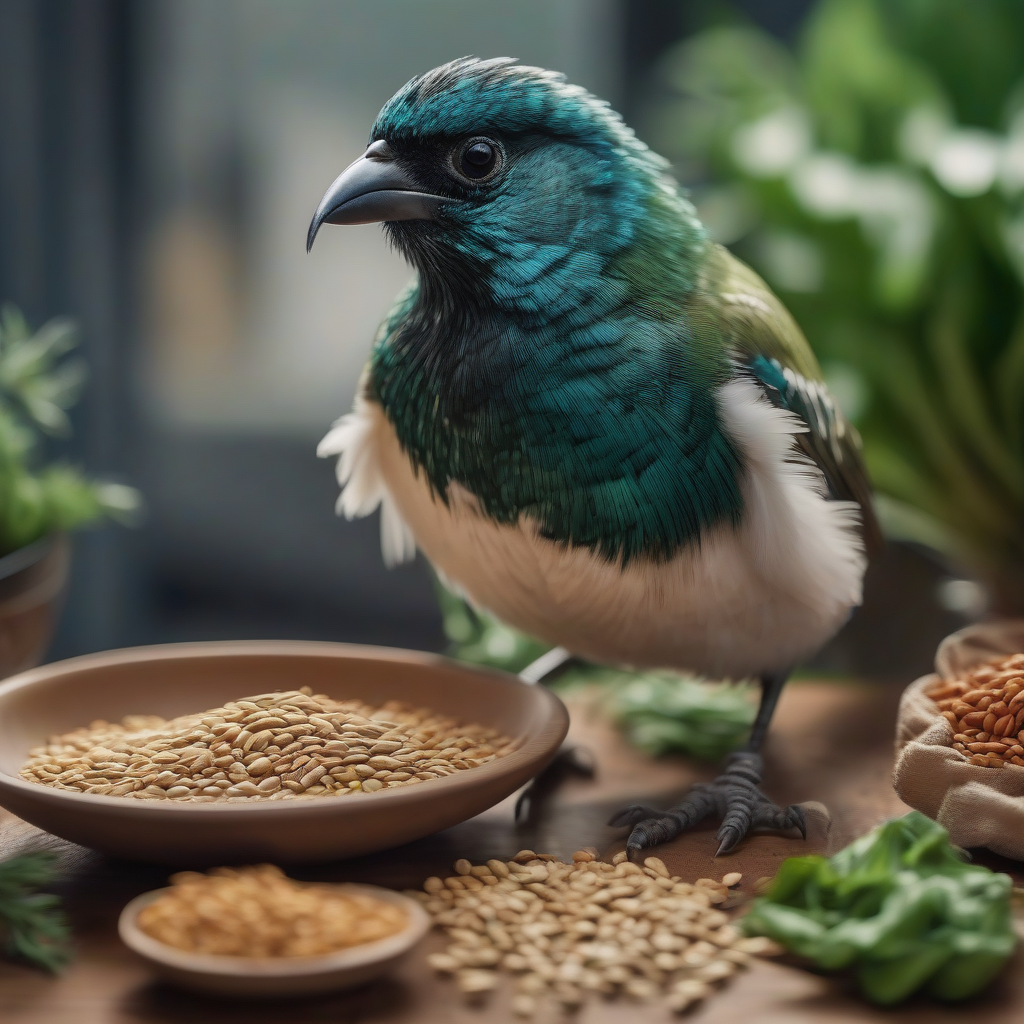
In this article, you will discover 5 little-known subtle signs of vitamin deficiencies hidden in your bird's 'magic stomach' and smart nutritional solutions.


Discover the neurobiological signals of hidden stress your newly adopted cat experiences during adaptation to a new social environment. This article reveals 5 insidious signs of your cat's silent struggle and scientific strategies for peaceful, long-term harmony.

Your dog's anal sacs, located beneath the tail, can be hidden alarm bells often overlooked but profoundly affecting their quality of life. In this article, you will discover the 5 insidious neurobiological effects of anal sac problems on the brain and the lifesaving care secrets you need to know for your furry friend to live a peaceful life.
In this article, you will find comprehensive information on the insidious neurotoxic effects of heavy metal poisoning in aquarium fish, its symptoms, and lifesaving emergency intervention codes. This condition, which can arise from household water sources, improper equipment, or neglect, can severely threaten your fish's quality of life and lifespan.
For your pet bird to lead an energetic and joyful life is undoubtedly every owner's greatest wish. However, there is a reality that is often overlooked or underestimated: the digestive system and overall health of our little friends are directly related to the nutrients they receive. Vitamins, in particular, are among the most fundamental building blocks of the complex digestive system, which we can call the 'magic stomach' of birds. These vitamins are not limited to energy production; they also play critical roles in a wide range of areas, from feather health to the immune system, from neurological functions to reproductive health. Unfortunately, many bird owners are unaware that the subtle signs of vitamin deficiency can silently threaten their friends' health.
In this article, we will delve into 5 critical and often unknown signs of vitamin deficiency that can be overlooked in your bird's diet. Recognizing these signs early and intervening with the right nutritional strategies will significantly improve your bird's quality of life.
Many bird owners may view changes in feather color or shine as merely an aesthetic flaw. However, this can often be an indicator of a deficiency in essential vitamins such as A, E, and B vitamins. For instance, a lack of vitamin A can hinder the healthy development of feather follicles, while a deficiency in vitamin E can weaken antioxidant defenses, making feathers more brittle. B vitamins, on the other hand, are essential for the formation of feather pigments and healthy growth. If you notice signs such as dullness, color fading, easy breakage, or feather loss in your bird, do not ignore the underlying nutritional deficiency.
Birds often express their emotional and mental states through their behavior. Vitamin deficiencies can directly affect the nervous system, leading to unexpected behavioral changes. For example, a deficiency in vitamin B1 (thiamine) can negatively impact the nervous system, causing loss of balance, tremors, and general lethargy. Similarly, a deficiency in vitamin B6 (pyridoxine) can lead to disruptions in nerve transmission, causing anxiety and restlessness. If you notice your bird being quieter than usual, less active, or even sometimes irritable or aggressive, remember that the cause might be nutritional.
These types of behavioral changes, beyond the general behavioral adjustments discussed in articles like Your Bird's 'Purring Wings': 5 Scientific Behavioral Adjustments for Invisible Balance of Calmness and Trust!, can be a sign of an underlying health issue.
A strong immune system is vital for every living creature. Vitamins C, E, and A support the functions of immune cells, making the body more resistant to infections. Vitamin C, in particular, acts as an antioxidant and plays a role in regulating the immune response. Vitamin E protects cell membranes, enhancing the effectiveness of the immune system. If your bird frequently falls ill, is prone to colds, or has a prolonged recovery period, this could be a sign of a weakened immune system, potentially due to vitamin deficiency.
This topic also brings to mind the importance of antioxidants discussed in articles like Your Dog's Invisible Armor: The Scientific Impact of Antioxidants and Phytonutrients on Lifespan and Disease Resistance!, which are crucial for overall health and disease resistance.
The digestive system is the primary center for breaking down and absorbing nutrients. Vitamins are involved in every step of this process. For example, B vitamins play a role in converting carbohydrates into energy, while vitamin D is necessary for calcium absorption. Deficiencies in these vitamins can lead to incomplete digestion and absorption of nutrients. Consequently, your bird may experience digestive issues such as constipation, diarrhea, changes in droppings, or weight loss due to poor nutrient absorption. This can cause your bird to remain thin or lack energy, no matter how much it eats.
Such digestive issues highlight that the fundamental principles discussed in articles addressing more specific digestive problems, like Your Hamster's 'Invisible Constipation Wall': 5 Stealthy Digestive System Dangers and Lifesaving Scientific Care Secrets!, are also applicable to birds.
Vitamins are also crucial for reproductive success and healthy chick development. Vitamins A, D, and E, in particular, have a direct impact on the health of reproductive organs, egg formation, and embryo development. Vitamin A deficiency can lead to degeneration of reproductive organs, while vitamin D regulates calcium metabolism, directly affecting eggshell quality. Vitamin E plays a role in protecting reproductive cells and increasing fertilization rates.
If you observe issues such as lack of reproductive interest, infertility, low-quality eggs, or embryonic arrest in your bird, you must investigate the underlying nutritional deficiency and vitamin deficiency.
In Conclusion:
Your bird's health and well-being are largely dependent on its diet. Vitamin deficiencies can insidiously begin and reduce your bird's overall health and quality of life. By closely monitoring the 5 subtle signs mentioned in this article and acting with appropriate nutritional strategies, you can protect the health of your little friend's 'magic stomach' and offer it a longer, healthier, and happier life. Remember, informed nutrition is the best veterinary care.
