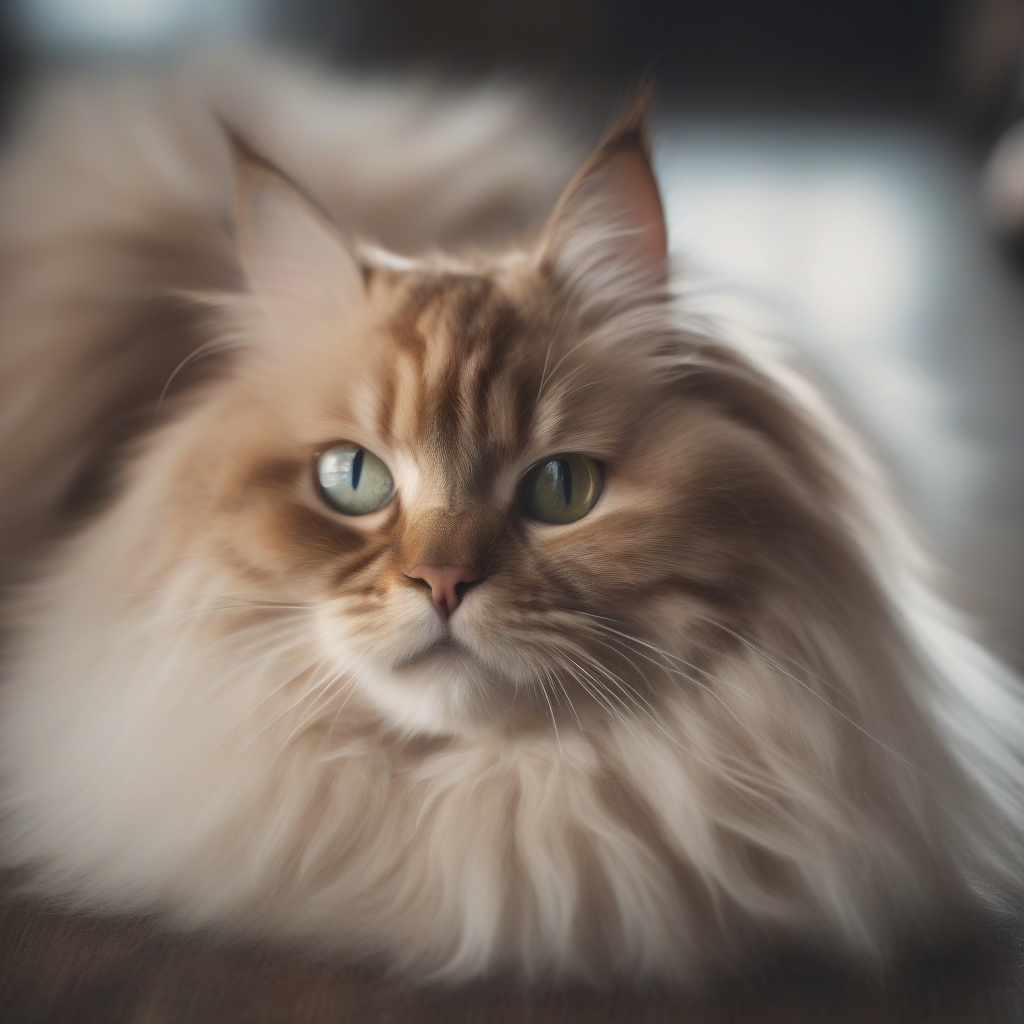
Did you know your cat's fur is more than just an aesthetic feature? Subtle inflammations in coat structure can signal underlying health issues threatening your cat's well-being. Discover how to recognize these signs and explore scientific solutions to boost your cat's immune system.


In this article, we will deeply explore the insidious neurobiological effects of gut microbiome imbalance (dysbiosis) on your rabbit's brain health and provide scientific-based solutions to maintain mental vitality.

In this article, you can find comprehensive information on how pancreatitis in dogs not only affects the digestive system but also insidiously impacts the brain, its neuroinflammatory mechanisms, and lifesaving emergency intervention strategies.

Discover the 5 insidious effects of overfeeding, one of the most stealthy threats to your fish's health, causing neurometabolic destruction in their brains, and learn scientific feeding strategies to prevent this demise. Uncover the silent danger in your aquarium!
Your cat's shiny and vibrant fur is not just an element that enhances its charm, but also an important indicator of its overall health. Research in veterinary medicine reveals that subtle changes in coat structure can be the first signals of serious underlying health problems. Particularly, hidden inflammations in hair follicles and coat structure can strain your cat's immune system, paving the way for various ailments. In this article, we will detail how to recognize these insidious dangers and the steps you can take to protect your cat's health.
Your cat's fur becoming duller, lifeless, and more prone to breakage than usual might initially seem like a simple grooming deficiency. However, this can be a sign of mild inflammation starting in the hair follicles. Inflammation disrupts the synthesis of proteins (keratin) in the hair structure, leading to weakened and easily broken hairs. This condition can increase your cat's tendency to scratch and may lead to secondary skin infections. These changes in coat structure may indicate a deficiency in your cat's basic diet or be a harbinger of deeper systemic inflammations.
All cats shed seasonally, and this is a normal process. However, shedding more than usual, increased skin sensitivity, inflamed hair follicles, and consequently, finer and sparser new hair growth, can indicate a serious problem. Chronic inflammation in hair follicles disrupts the hair growth cycle, preventing new hairs from growing healthily. This makes your cat's skin surface more vulnerable to external factors. At this stage, it's important to consider not only your cat's external appearance but also its overall health status.
Dandruff and hair loss on your cat's skin are often mistaken for a fungal infection or flea bite allergy. However, inflammation in the coat structure and skin can be the underlying cause of this flaking. Inflammation disrupts the normal cycle of skin cells, causing them to shed abnormally in flakes. These shedding particles can clog hair follicles and inhibit hair growth. In some cases, this can cause your cat to scratch excessively and develop redness on the skin. These symptoms can be evidence of a weakening of your cat's overall immune system. To support your cat's general health, it's crucial to focus on the underlying causes, not just the external signs.
Redness, tenderness, and even inflamed bumps around or within the fur are clear signs of ongoing infection and inflammation deep within the hair follicles. This indicates that your cat's immune system is actively fighting an infection. Factors such as stress, allergies, or improper nutrition can trigger or worsen this inflammatory response. These symptoms usually cause discomfort and pain to the cat, necessitating prompt veterinary intervention. As mentioned in our article Your Cat's Hidden Risk of Poisoning: 5 Insidious Household Dangers and Lifesaving Emergency Interventions!, certain household substances can be toxic to cats and lead to such reactions.
The dullness, brittleness, or shedding in your cat's fur is not just a physical condition. Chronic discomfort and inflammation can also affect your cat's overall mood and behavior. A cat that is scratching or restless due to discomfort in its fur may become more withdrawn, aggressive, or depressed. This negatively impacts the cat's social interactions and overall quality of life. As highlighted in our article Your Cat's 'Secret Social Code': 5 Critical Neuroscientific Secrets for New Home Adaptation!, socialization difficulties can become more pronounced when combined with physiological discomforts.
To combat these insidious inflammations in your cat's coat structure, adopting a holistic approach is essential. Here are scientific steps you can take:
Your cat's fur is a reflection of its inner world. By supporting these invisible warriors, you can ensure both its physical and mental health are at their best.
