
Recognize the signs of sudden hypothermia in rabbits and learn life-saving emergency intervention methods.


Discover the neurobiological signals of hidden stress your newly adopted cat experiences during adaptation to a new social environment. This article reveals 5 insidious signs of your cat's silent struggle and scientific strategies for peaceful, long-term harmony.

Your dog's anal sacs, located beneath the tail, can be hidden alarm bells often overlooked but profoundly affecting their quality of life. In this article, you will discover the 5 insidious neurobiological effects of anal sac problems on the brain and the lifesaving care secrets you need to know for your furry friend to live a peaceful life.
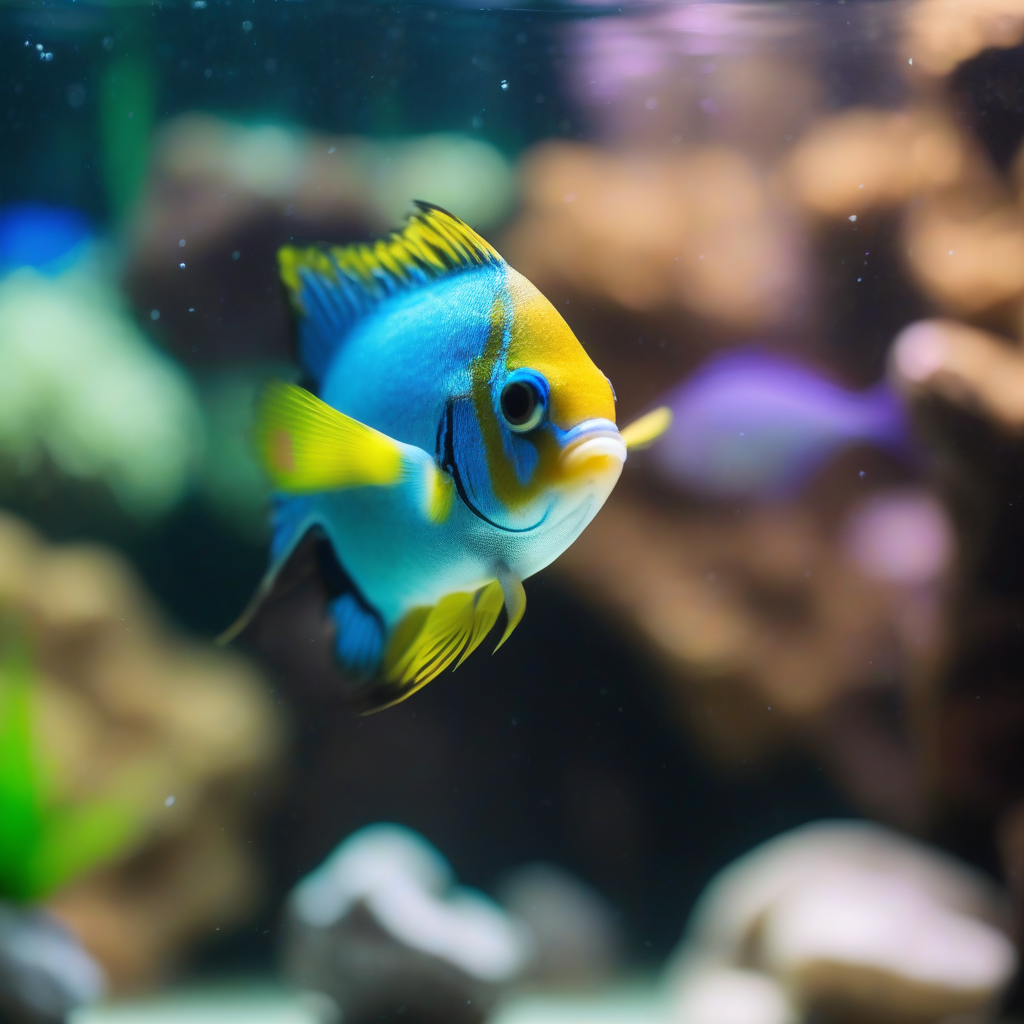
In this article, you will find comprehensive information on the insidious neurotoxic effects of heavy metal poisoning in aquarium fish, its symptoms, and lifesaving emergency intervention codes. This condition, which can arise from household water sources, improper equipment, or neglect, can severely threaten your fish's quality of life and lifespan.
Rabbits, with their delicate structures and sensitive metabolisms, are highly susceptible to environmental temperature fluctuations. Particularly, sudden drops in temperature can lead to life-threatening hypothermia. As a pet owner, ensuring your rabbit's health and safety is your utmost responsibility. Therefore, recognizing the early signs of hypothermia and being able to administer the correct interventions in emergencies is critical.
In this article, we will delve into 5 critical scientific intervention methods that will be life-saving for your rabbit in cases of sudden hypothermia. We will move beyond general care recommendations and focus on specific steps that will guide you in a real emergency situation.
Rabbits tend to hide their pain and discomfort. For this reason, the early signs of hypothermia can sometimes be overlooked. However, with careful observation, you can catch these 'hidden signals':
If your rabbit's body, which should normally be warm, feels noticeably cold to the touch, this is a serious sign. Especially the ear tips and paws may be cold.
A hypothermic rabbit will be much more sluggish, immobile, and uninterested in its surroundings than usual. The sudden complete passivity of an normally active rabbit should be cause for concern.
Rabbits may shiver when cold. This may be mild initially, but as the condition worsens, it can turn into more pronounced and uncontrollable tremors. This indicates the body's effort to generate its own heat.
Sudden hypothermia can lead to a slowing or irregularity in respiration. In some cases, even respiratory arrest can occur. Watch your rabbit's breathing carefully. Our previously read article, If Your Rabbit Stops Breathing: 5 Critical Lifesaving Scientific Interventions for Sudden Respiratory Distress!, provides additional information for such emergencies.
Your rabbit may show a lack of interest in things it normally enjoys (like eating, playing). It may exhibit a tendency to curl up and hide.
When you notice signs of hypothermia in your rabbit, you must act without delay. Here are the emergency intervention steps you should take:
Hypothermia increases the risk of dehydration in rabbits. However, do not proceed without consulting your veterinarian regarding fluid administration. Your vet may suggest giving small amounts of room-temperature water or special electrolyte solutions if the rabbit is conscious and able to swallow.
A hypothermic rabbit usually has no desire to eat. However, if the rabbit is conscious and able to swallow, a high-calorie, nutritious food (e.g., baby food or specially formulated rabbit rehydration products) can be given in small amounts as recommended by your veterinarian. Such support is usually administered under veterinary supervision.
The Most Important Step: Contact your rabbit's veterinarian immediately upon noticing any signs of hypothermia. The first aid measures you implement at home are only a precautionary measure and can never replace professional medical intervention. The veterinarian will assess your rabbit's overall condition, administer necessary warming and fluid therapy, and treat any potential secondary infections or health issues.
Continuously observe your rabbit during the warming process. If it shows signs of overheating (rapid breathing, restlessness), move the heat source away. Handle your rabbit gently, keep it comfortable, and provide a calm environment. Avoid sudden movements and loud noises.
Sudden hypothermia in rabbits is a serious emergency, and quick, correct intervention can save a life. Learning the critical intervention steps outlined in this article will help ensure your beloved companion is safe during an unexpected crisis. Remember, your rabbit's health is in your hands, and having the right information is the most important way to improve its quality of life. In case of any doubt, always consult your veterinarian.
If you wish to learn more about your rabbit's general health and well-being, you can refer to articles such as Your Rabbit's 'Silent Digestive Crisis': 5 Little-Known Insidious Signs of Intestinal Blockage and Lifesaving Scientific Interventions! or Your Rabbit's 'Silent Digestive Crisis': 5 Little-Known Insidious Signs of Intestinal Blockage and Lifesaving Scientific Interventions!. Additionally, your rabbit's respiratory health is crucial for its overall well-being; you can review our article titled Your Rabbit's 'Invisible Air Maze': Insidious Particles Threatening Respiratory Health and 5 Scientific Ventilation Secrets! for this topic.
