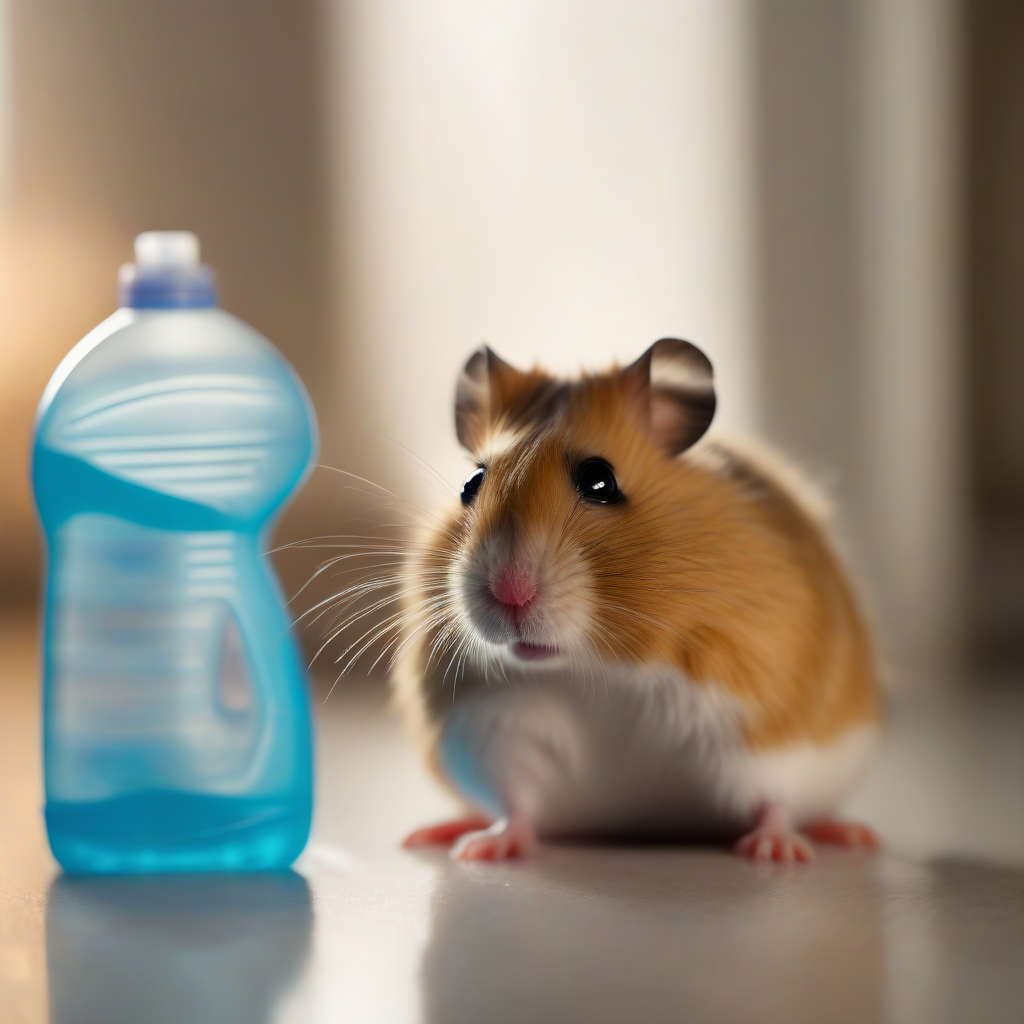
In this article, you will find 5 insidious signs that your hamster is exposed to household cleaning products and environmental toxins, along with lifesaving scientific protection strategies.


Discover the neurobiological signals of hidden stress your newly adopted cat experiences during adaptation to a new social environment. This article reveals 5 insidious signs of your cat's silent struggle and scientific strategies for peaceful, long-term harmony.

Your dog's anal sacs, located beneath the tail, can be hidden alarm bells often overlooked but profoundly affecting their quality of life. In this article, you will discover the 5 insidious neurobiological effects of anal sac problems on the brain and the lifesaving care secrets you need to know for your furry friend to live a peaceful life.
In this article, you will find comprehensive information on the insidious neurotoxic effects of heavy metal poisoning in aquarium fish, its symptoms, and lifesaving emergency intervention codes. This condition, which can arise from household water sources, improper equipment, or neglect, can severely threaten your fish's quality of life and lifespan.
Hamsters, despite their small size and delicate physiology, are surprisingly vulnerable to hidden dangers in our homes. Their tiny noses, curious nature to explore everything, and rapid metabolism make them highly susceptible to environmental toxins. Unfortunately, most hamster owners don't realize how deadly common household cleaning products, air fresheners, or even plants can be for these adorable creatures. In this article, we will scientifically examine 5 insidious signs that your hamster is exposed to an invisible chemical attack and present lifesaving protection strategies.
Hamsters, by nature, tend to hide their weaknesses. This can cause symptoms of poisoning to be overlooked or misinterpreted. Here are 5 critical signs you should watch for:
Is your normally active hamster suddenly lethargic, experiencing coordination problems, or trembling? Or, conversely, is it showing excessive restlessness, hyperactivity, or biting without reason? Such sudden behavioral changes can indicate the presence of neurotoxic substances affecting the central nervous system. Pesticides, heavy metals, or components in some cleaning products can disrupt hamsters' brain chemistry, leading to these types of symptoms. Behavioral observation plays a key role in the early diagnosis of poisoning.
Vomiting (though rarely seen), diarrhea, loss of appetite, or sudden weight loss are strong indicators that your hamster's digestive system is battling a toxin. As mentioned in our article Your Hamster's Secret 'Bacterial Wars': Digestive Microbiome's Neuro-Immune Secrets and Crisis Management!, the digestive microbiome can be severely affected by toxins. Most poisonous substances, when ingested orally, directly damage the gastrointestinal system, irritate the mucosa, and hinder nutrient absorption. More severe symptoms such as bloody stools or abdominal swelling require immediate veterinary intervention.
Symptoms like rapid breathing, wheezing, nasal discharge, or difficulty breathing can indicate that your hamster is reacting to airborne toxins. Ammonia-based cleaners, bleach fumes, or heavily scented air fresheners can irritate hamsters' sensitive respiratory tracts and even lead to pulmonary edema. This condition is similar to respiratory distress seen in rabbits, but due to hamsters' smaller lungs, it can become fatal much more quickly.
Hair loss, skin redness, itching, sores, or an abnormal odor in the fur can be signs of topical poisoning or the manifestation of systemic toxins on the skin. Hamsters frequently lick their cages and themselves, which can lead to the ingestion of chemicals that have gotten on their skin. Additionally, some toxins can weaken the immune system, increasing susceptibility to skin infections or allergic reactions. Such changes in coat structure can also be an indicator of general health issues.
Toxins are typically metabolized in the liver and excreted by the kidneys. When the burden on these organs increases, you might notice your hamster drinking excessively or experiencing a noticeable increase or decrease in urination. Kidney failure is a serious consequence of toxin accumulation and is life-threatening. These symptoms are also related to Your Hamster's 'Secret Vascular Health': 5 Insidious Dangers and Scientific Protection Secrets!, as damage to blood vessels directly affects organ functions.
To protect your hamsters, it is vital to know the potential dangers in your home and take proactive measures.
Cleaners and disinfectants containing ammonia, bleach, phenols, or glycol ethers are extremely toxic to hamsters.
Air fresheners, diffusers, and scented candles containing perfumes and chemical fragrances can irritate hamsters' sensitive respiratory systems and place a toxic burden on their livers.
Most houseplants (e.g., oleander, dumb cane, ivy) are toxic to hamsters. Additionally, rat poisons, insect sprays, and other pesticides can have fatal consequences.
Cheap, painted plastic toys or cage bars can contain heavy metals. When paint or coating chips off and is ingested, it can lead to severe poisoning.
If you notice signs of poisoning in your hamster, do not waste time.
Your hamster's health is directly related to the care you show for environmental factors. Knowing these insidious dangers and taking proactive measures will ensure your tiny friend lives a long and healthy life.
