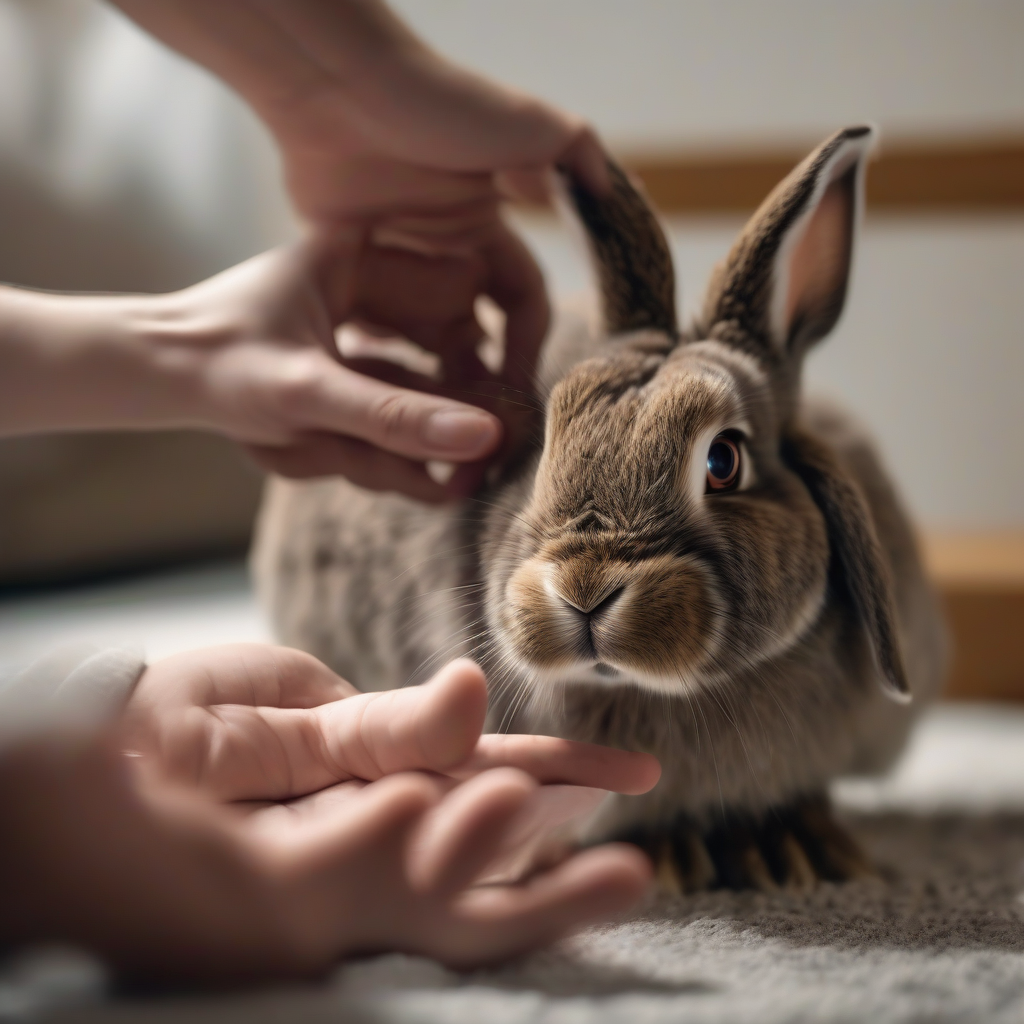
In this article, you will explore the neurobiological effects of past traumas on the socialization ability of adopted rabbits from a scientific perspective, and discover 5 critical steps to rebuild trust with your pet.


In this article, we will deeply explore the insidious neurobiological effects of gut microbiome imbalance (dysbiosis) on your rabbit's brain health and provide scientific-based solutions to maintain mental vitality.

In this article, you can find comprehensive information on how pancreatitis in dogs not only affects the digestive system but also insidiously impacts the brain, its neuroinflammatory mechanisms, and lifesaving emergency intervention strategies.

Discover the 5 insidious effects of overfeeding, one of the most stealthy threats to your fish's health, causing neurometabolic destruction in their brains, and learn scientific feeding strategies to prevent this demise. Uncover the silent danger in your aquarium!
Rabbits, by nature, are sensitive creatures with complex social structures. Unfortunately, many adopted or rescued rabbits live under the shadow of past traumatic experiences. These traumas deeply affect not only their behavior but also the chemistry and structural functioning of their brains. In this WikiPet article, we will examine the neurobiological effects of past traumas on socialization in rabbits from a scientific perspective and detail 5 critical scientific steps you can take to rebuild trust with your furry friend. This guide will help you understand your rabbit's inner world and provide them with the peaceful social life they deserve.
A traumatic experience can lead to long-lasting changes in the rabbit brain. These changes are particularly concentrated in regions responsible for emotional regulation, memory, and decision-making processes.
The amygdala is known as the brain's "fear center." In rabbits who have experienced trauma, the amygdala can become overactive. This condition leads to the easy triggering of a "fight-or-flight response" even against small and non-threatening stimuli. This constantly high alert state causes the rabbit to live under chronic stress and become closed off to new social interactions. This neurological state prevents the animal from feeling safe, severely limiting its ability to socialize.
The hippocampus plays a critical role in memory formation and learning. Trauma can shrink the volume of the hippocampus and impair its function. This makes it difficult for the rabbit to encode safe memories, while traumatic memories become more persistent. A rabbit's fear of a hand that previously mistreated it is a typical example of this memory processing disorder. The ability to learn and generalize positive interactions can also be negatively affected.
The prefrontal cortex plays a key role in impulse control, decision-making, and regulating social behaviors. Trauma can weaken the function of this region. Consequently, a traumatized rabbit may react inappropriately or excessively in situations of fear or anxiety, for example, displaying unexpected aggression or extreme shyness. In a social context, this negatively impacts their ability to form healthy relationships with other rabbits or humans.
Understanding your rabbit's traumatic past is the first step in helping them. However, reversing neurobiological effects and rebuilding trust requires patience and a scientifically grounded approach. Here are 5 critical steps you can take in this process:
Safety is paramount for rabbits. To prevent them from developing a "fear map" in their new home, ensure their environment is predictable and controllable. Avoid sudden noises, rapid movements, and unexpected touches. Provide plenty of hiding spots, tunnels, and elevated platforms in their cage or living area to help the rabbit feel secure. Routine feeding, play, and cleaning times increase the rabbit's confidence in its environment and reduce anxiety. This helps to lower cortisol levels, which regulate the brain's stress response.
One of the most effective ways to strengthen the bond with your rabbit is through positive reinforcement and gradual conditioning. Offer them their favorite vegetables or treats while gently approaching or being near them. Initially, simply being in the room and talking to them instead of petting them might be enough. Over time, gradually increase physical contact in small steps. This process helps to re-associate negative emotions linked to traumatic experiences with positive stimuli and supports the formation of new, safe memories. For general principles on this topic, you can also benefit from our article Your Bird's 'Forgotten Past': Scientific Secrets of Post-Trauma Resocialization in the Brain and 5 Critical Ways to Rebuild Trust!.
If your rabbit is going to socialize with other animals, you must manage this process very carefully. Sudden introductions can be extremely stressful for a traumatized rabbit. Begin the introduction process with a new rabbit in a neutral area, for short periods, and under supervision. Ensure both rabbits have safe spaces to retreat to. Initially, allow them only to sniff each other and reward positive interactions. Follow a similar approach when socializing with humans; be patient, do not force interaction, and allow the rabbit to approach you at its own pace. The article Your Rabbit's 'Unknown Language of Silence': 5 Advanced Social Communication Signals and a Guide to Preventing Misunderstandings! will help you understand rabbits' subtle social cues.
An enriched environment positively affects your rabbit's brain and accelerates the healing process. Offer a variety of toys, chew materials, tunnels to explore, and food puzzle toys to provide mental stimulation. Such activities improve the rabbit's problem-solving skills, reduce boredom, and increase self-confidence. Furthermore, cognitive stimulation supports the brain's adaptability (neuroplasticity), contributing to post-trauma recovery. Our article Your Cat's 'Secret Social Code': 5 Critical Neuroscientific Secrets for New Home Adaptation! can also offer a general perspective on approaches recommended for cats adapting to a new home.
Some rabbits may require professional help to cope with the effects of traumatic experiences. If behavioral problems are severe or you are not making progress, seek support from an experienced veterinarian or rabbit behavior specialist. Your vet can rule out any medical issues and, if necessary, recommend safe pharmacological support to manage the rabbit's anxiety. A behavior specialist can create a personalized, scientifically based behavior modification plan. To reduce the stress of vet visits, you can benefit from our guide Your Rabbit's 'Fearless Exam Protocol': 5 Scientific Cooperative Care Steps for Stress-Free Vet Visits!.
Your rabbit's past traumas can deeply affect its ability to socialize and overall well-being. However, with patience, understanding, and scientifically grounded approaches, it is possible to regain the trust of these sensitive creatures and provide them with the happy, social life they deserve. Remember, every rabbit is an individual, and the healing process may vary. At WikiPet, our goal is to guide you on this journey and help strengthen the bond with your beloved pets.
