
Learn 5 critical, lifesaving scientific intervention methods you can apply without panicking when your rabbit experiences sudden respiratory distress. Save your beloved friend's life with early diagnosis and correct intervention.


Discover the neurobiological signals of hidden stress your newly adopted cat experiences during adaptation to a new social environment. This article reveals 5 insidious signs of your cat's silent struggle and scientific strategies for peaceful, long-term harmony.

Your dog's anal sacs, located beneath the tail, can be hidden alarm bells often overlooked but profoundly affecting their quality of life. In this article, you will discover the 5 insidious neurobiological effects of anal sac problems on the brain and the lifesaving care secrets you need to know for your furry friend to live a peaceful life.
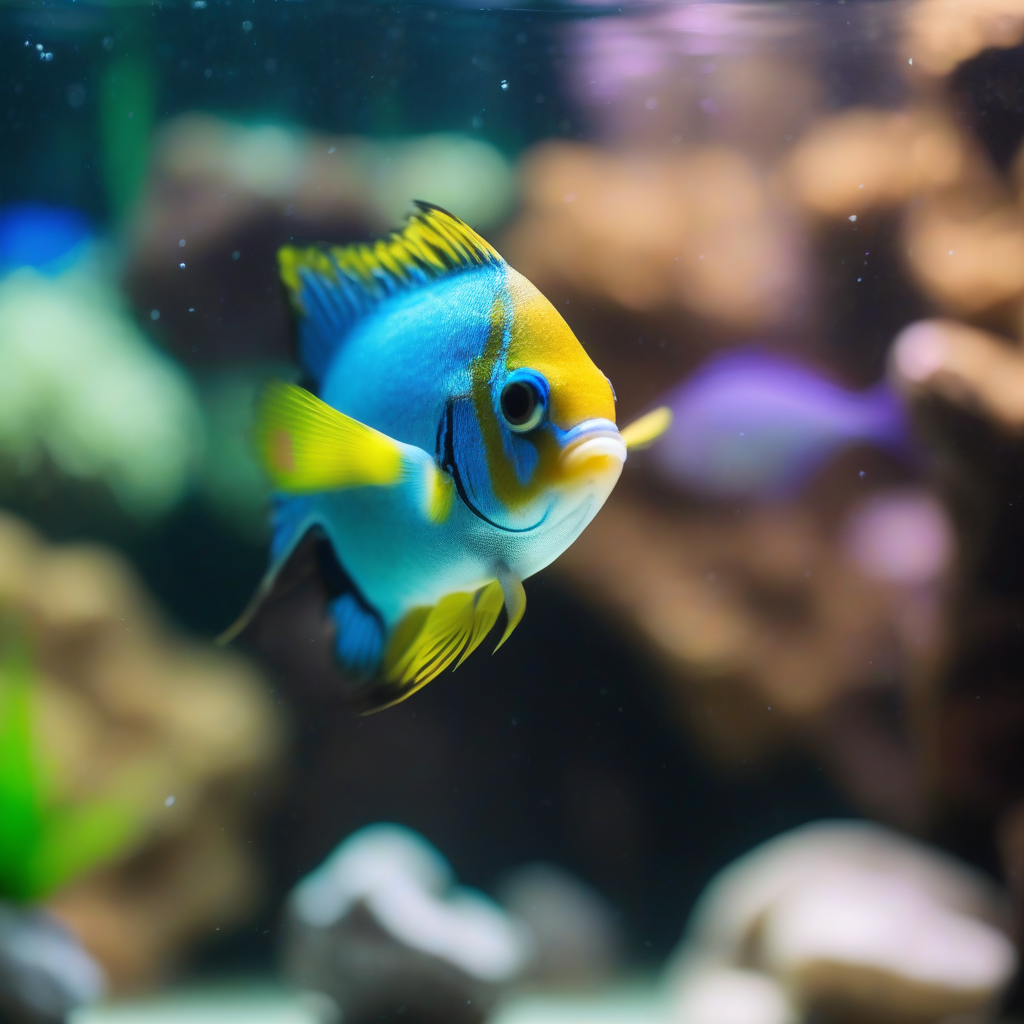
In this article, you will find comprehensive information on the insidious neurotoxic effects of heavy metal poisoning in aquarium fish, its symptoms, and lifesaving emergency intervention codes. This condition, which can arise from household water sources, improper equipment, or neglect, can severely threaten your fish's quality of life and lifespan.
Rabbits are delicate creatures and can experience sudden respiratory distress for various reasons. This condition can be fatal for your pet, but with the right knowledge and preparation, you can save its life. In this article, we will delve into 5 critical scientific intervention methods you can apply without panicking when your rabbit stops breathing.
One of the biggest challenges with respiratory distress in rabbits is that the symptoms can be insidious and difficult to detect initially. Classic signs like coughing or wheezing may not always be apparent. Therefore, recognizing the invisible alarm signals behind the fur is of vital importance.
Normally, rabbits breathe quietly and regularly. If your pet's chest is rising and falling at an unusual speed, it's a warning sign. If the breathing is shallow and appears labored, it indicates a situation requiring immediate intervention.
Wet, sticky substance around the nostrils or mouth can be a sign of airway obstruction or infection. This can hinder oxygen intake, worsening the situation.
Lack of oxygen can cause color changes in the body. If the inside of your rabbit's ears or the area around its eyes appears paler than normal, or even bluish, it's an indication of severe oxygen deprivation. This signals that immediate veterinary attention is essential.
Rabbits tend to hide when they feel pain or discomfort. However, in cases of respiratory distress, they may exhibit restlessness, constantly changing positions, and making unusual noises. Be observant if your rabbit is in an open area, looking distressed, rather than hiding.
When you notice any of the above signs in your rabbit, take immediate action without delay using the following steps. These steps will help stabilize your pet's condition until you reach a veterinarian.
Panic can increase your rabbit's heart rate, exacerbating the situation. Approach it gently, speak in a calm tone, and carefully pick it up or place it in a safe area. Using a soft blanket can help it feel more comfortable. This calming process aligns with the social adaptation principles discussed in Your Cat's 'Secret Social Code': 5 Critical Neuroscientific Secrets for New Home Adaptation!; building trust is paramount.
If your rabbit's nose or mouth is blocked with mucus, gently clean the area with a clean cotton swab or a soft cloth. Be careful not to insert anything into the nostrils. You can also try to help clear the airways by gently tilting the rabbit head-downwards or stroking its back. However, do this very carefully and avoid causing stress to the rabbit.
Place a humidifier in the room where your rabbit is, or place a bowl of warm water safely near the room. The steam can help moisten the respiratory tract, aiding in clearing congestion. As mentioned in Your Rabbit's 'Invisible Air Maze': Insidious Particles Threatening Respiratory Health and 5 Scientific Ventilation Secrets!, air quality is crucial for rabbit health.
Gently hold your rabbit in your lap, keeping its head slightly elevated. You can try to support its breathing by very lightly and gently stroking its back and chest. This can promote blood circulation and help oxygen distribute better throughout the body.
All the above steps are temporary measures until you can reach a veterinarian. Respiratory distress in rabbits can be a symptom of a serious medical condition. Therefore, while applying first aid, call your veterinary clinic immediately and inform them about the situation. If possible, make a plan to expedite your arrival at the vet. Remember, rabbits tend to hide their pain and illnesses; thus, early intervention is life-saving. As discussed in Your Rabbit's 'Silent Digestive Crisis': 5 Little-Known Insidious Signs of Intestinal Blockage and Lifesaving Scientific Interventions!, digestive issues can sometimes be associated with respiratory distress, and both require urgent attention.
Moments of sudden respiratory distress in your rabbit can be highly stressful for both you and your beloved pet. However, by memorizing the information shared in this article and maintaining constant communication with your veterinarian, you can overcome these challenging situations. Remember, the best defense is to be prepared. Always keep a veterinarian's contact number and emergency protocols in your emergency kit. This is a valid principle for emergency situations in other small animal species, such as Your Hamster's Secret 'Breath Trap': 5 Critical Steps for Lifesaving Interventions in Seconds!. Being prepared is always the key to protecting the health of our loved ones.
