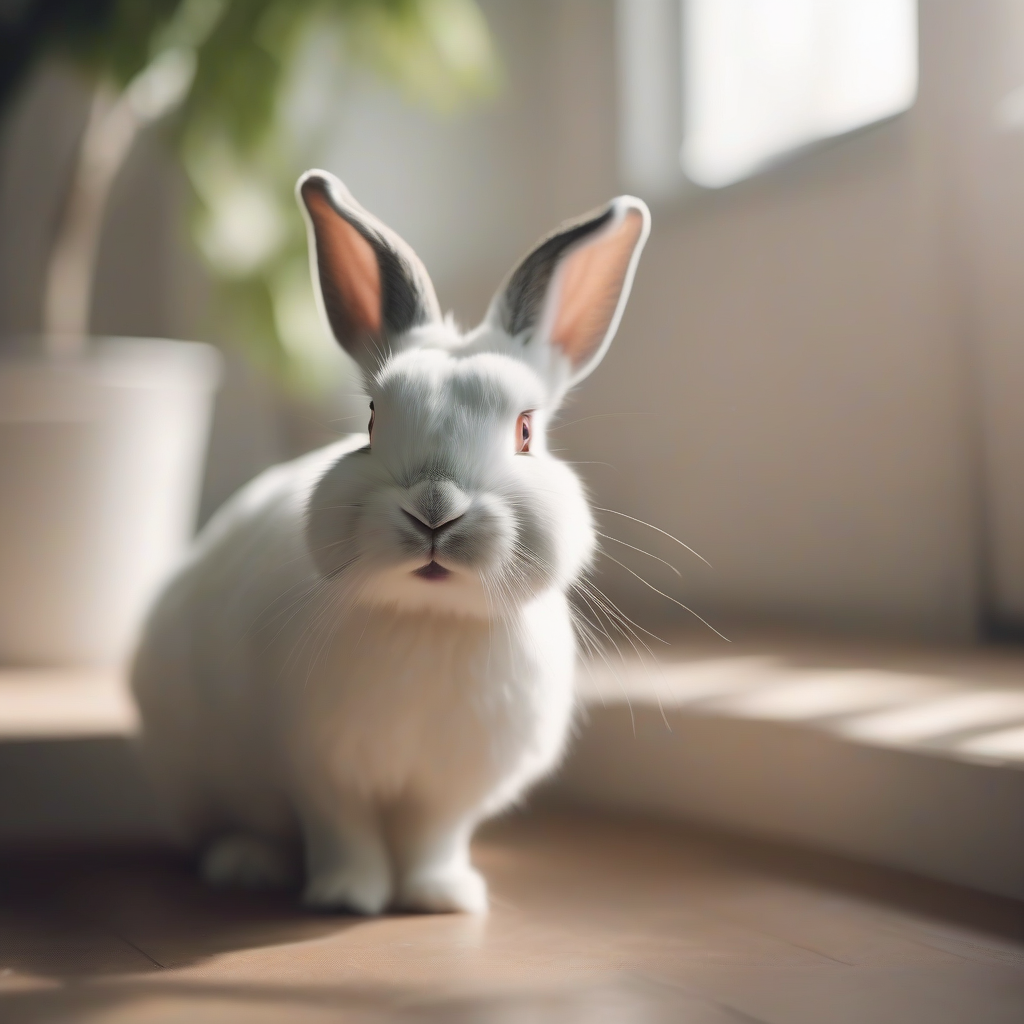
In this article, you will discover the invisible air quality issues threatening rabbits' delicate respiratory systems and 5 scientific ways to ensure optimal ventilation in their living space.


In this article, we will deeply explore the insidious neurobiological effects of gut microbiome imbalance (dysbiosis) on your rabbit's brain health and provide scientific-based solutions to maintain mental vitality.
In this article, you can find comprehensive information on how pancreatitis in dogs not only affects the digestive system but also insidiously impacts the brain, its neuroinflammatory mechanisms, and lifesaving emergency intervention strategies.

Discover the 5 insidious effects of overfeeding, one of the most stealthy threats to your fish's health, causing neurometabolic destruction in their brains, and learn scientific feeding strategies to prevent this demise. Uncover the silent danger in your aquarium!
Domestic rabbits, though adorable and gentle creatures, possess surprisingly delicate respiratory systems that can be severely affected by the air quality in their environment. Many rabbit owners focus on food, water, and appropriate cage size, often overlooking the potential dangers of the 'invisible air maze' within their living space. As of March 2026, the latest research in veterinary science highlights the critical role of indoor air quality in rabbits' overall health, behavior, and even longevity. This article will delve into the insidious particles threatening your rabbit's respiratory system and how to scientifically optimize air quality.
Rabbits' respiratory systems have specific anatomical and physiological features that make them unique. These characteristics make them highly vulnerable to airborne irritants.
Rabbits have narrow and intricate nasal passages, which can easily trap small particles and irritants from the air. Furthermore, the strong coughing and sneezing reflexes found in humans and some other mammals are weaker in rabbits, making it difficult for them to clear accumulated mucus and particles from their airways. Their lungs are quite delicate and susceptible to infections and inflammation. These structural features make air quality a fundamental health factor.
Many invisible air pollutants exist in a rabbit's living space, to which they are unknowingly exposed. Dust from natural bedding materials like wood shavings and hay, ammonia gas emitted from accumulated urine, indoor allergens (pollen, mold spores, dust mites), and chemical fumes from cleaning products, deodorizers, or air fresheners can irritate a rabbit's respiratory tracts. Continuous exposure to these particles can lead to chronic inflammation and serious health problems.
Poor air quality not only leads to respiratory problems in rabbits but also negatively impacts their overall health and welfare.
Chronic respiratory infections in rabbits, commonly known as 'snuffles,' are often caused by the bacterium Pasteurella multocida. Poor ventilation, high ammonia levels, and dusty environments create ideal conditions for this bacterium to proliferate and for the rabbit's immune system to weaken. This can lead to symptoms such as chronic nasal discharge, sneezing, and difficulty breathing, which can be very challenging to treat.
Constant exposure to polluted air is a major stressor for rabbits. Chronic stress increases levels of stress hormones like cortisol, weakening the immune system and making rabbits more vulnerable to infections. This sets the stage not only for respiratory infections but also for other health issues. To learn more about reducing your rabbit's stress levels, explore our article on the neurological effects of environmental changes on rabbits.
Rabbits suffering from respiratory difficulties or chronically affected by air quality issues may exhibit behavioral changes such as lethargy, loss of appetite, reluctance to drink water, reduced activity, and general restlessness. These are signs that their quality of life has significantly decreased.
Maximizing air quality in your rabbit's living space is crucial for their healthy life. Here are 5 important secrets based on scientific principles:
Place your rabbit's cage or living area in a location that is not exposed to direct drafts but allows for continuous fresh air circulation. Benefit from natural ventilation from windows but protect from cold air currents. The habitat design should facilitate air circulation; avoid enclosed, stuffy areas. The material of the cage is also important; opt for flat, hygienic surfaces instead of wire bottoms and support them with appropriate bedding materials. For the impact of overall habitat arrangement on rabbit welfare, check our article on the impact of habitat on overall welfare.
Use less dusty, specially processed paper-based bedding materials or pellets instead of hay. If using wood shavings, absolutely avoid aromatic types like pine and cedar, as these oils are toxic to rabbits' respiratory systems. Prevent ammonia buildup by cleaning urine and feces daily. A weekly full cage cleaning will prevent bacterial and fungal growth.
A high-quality air purifier with a HEPA filter can significantly reduce dust, pollen, and other allergens in your rabbit's living space. When choosing an air purifier, avoid models that emit ozone, as ozone is a respiratory irritant for rabbits. Operate the air purifier in a location that provides general air circulation throughout the room, rather than directly next to your rabbit.
The ideal indoor humidity level for rabbits is between 30% and 50%. Excessively high humidity (above 60%) encourages bacterial and fungal growth, while excessively low humidity (below 30%) can dry out and irritate the respiratory tracts. Monitor the level using a hygrometer and use a humidifier or dehumidifier if necessary. However, strictly avoid chemical scent emitters in humidifiers.
Ammonia is a pungent gas produced by the breakdown of urine and is very harmful to rabbits' respiratory systems. Using highly absorbent bedding materials, regularly cleaning litter areas, and frequently ventilating the living space are vital to minimize ammonia buildup. Enhance passive ventilation with fans or open windows.
If you notice symptoms such as difficulty breathing (rapid breathing, open-mouth breathing), nasal discharge, sneezing, wheezing, loss of appetite, or lethargy in your rabbit, you should consult a veterinarian immediately. Early diagnosis and intervention are critical in treating respiratory infections and other related health problems. For tips on making vet visits less stressful, you can refer to our article on methods to make vet visits stress-free.
For a healthy rabbit life, clean air is not just a luxury, but a scientific necessity. By implementing the strategies above, you can make it easier for your beloved companion to breathe and provide them with a longer, healthier, and happier life.
