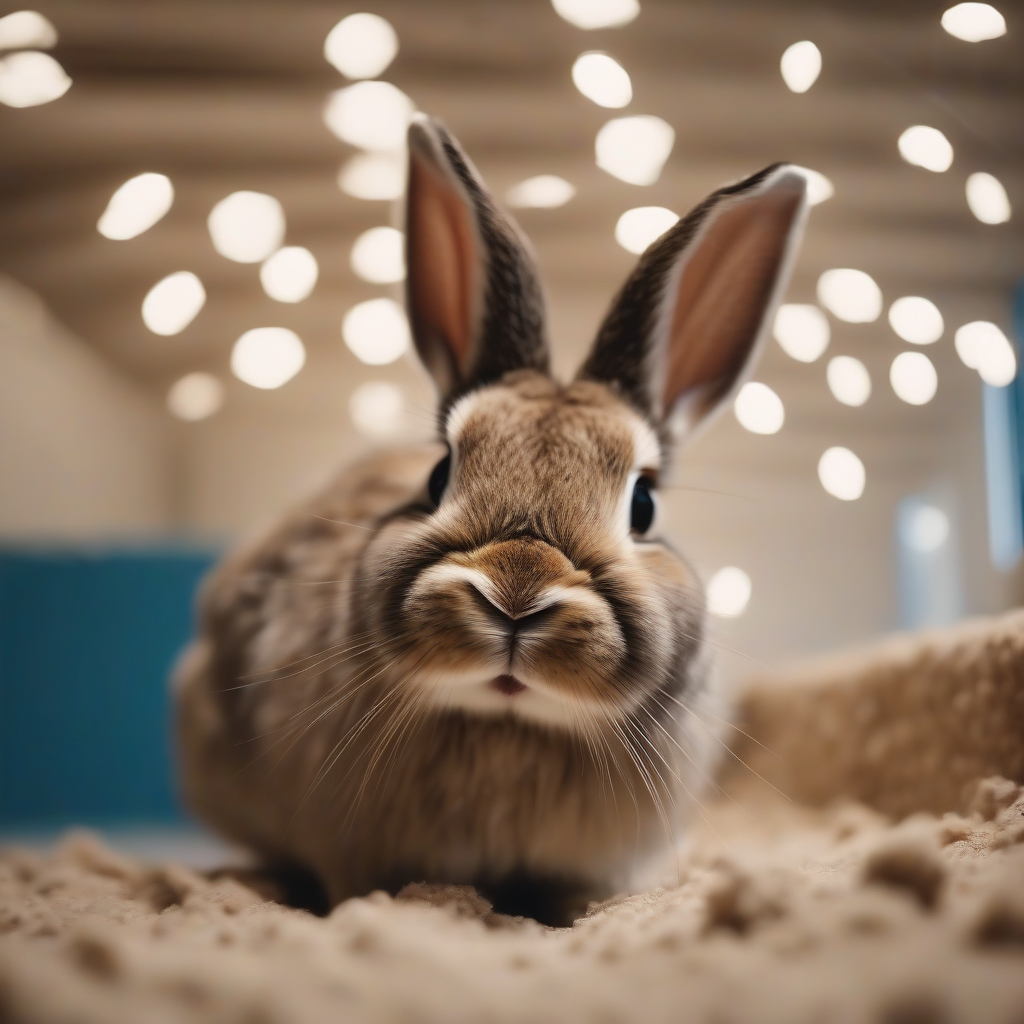
A rabbit's living space is not just a shelter but also the foundation of their physical and mental health. In this article, we explain the 5 insidious effects of improper cage design on rabbit bone and muscle health with scientific data and offer practical solutions for creating an optimal living environment.


Discover the neurobiological signals of hidden stress your newly adopted cat experiences during adaptation to a new social environment. This article reveals 5 insidious signs of your cat's silent struggle and scientific strategies for peaceful, long-term harmony.

Your dog's anal sacs, located beneath the tail, can be hidden alarm bells often overlooked but profoundly affecting their quality of life. In this article, you will discover the 5 insidious neurobiological effects of anal sac problems on the brain and the lifesaving care secrets you need to know for your furry friend to live a peaceful life.
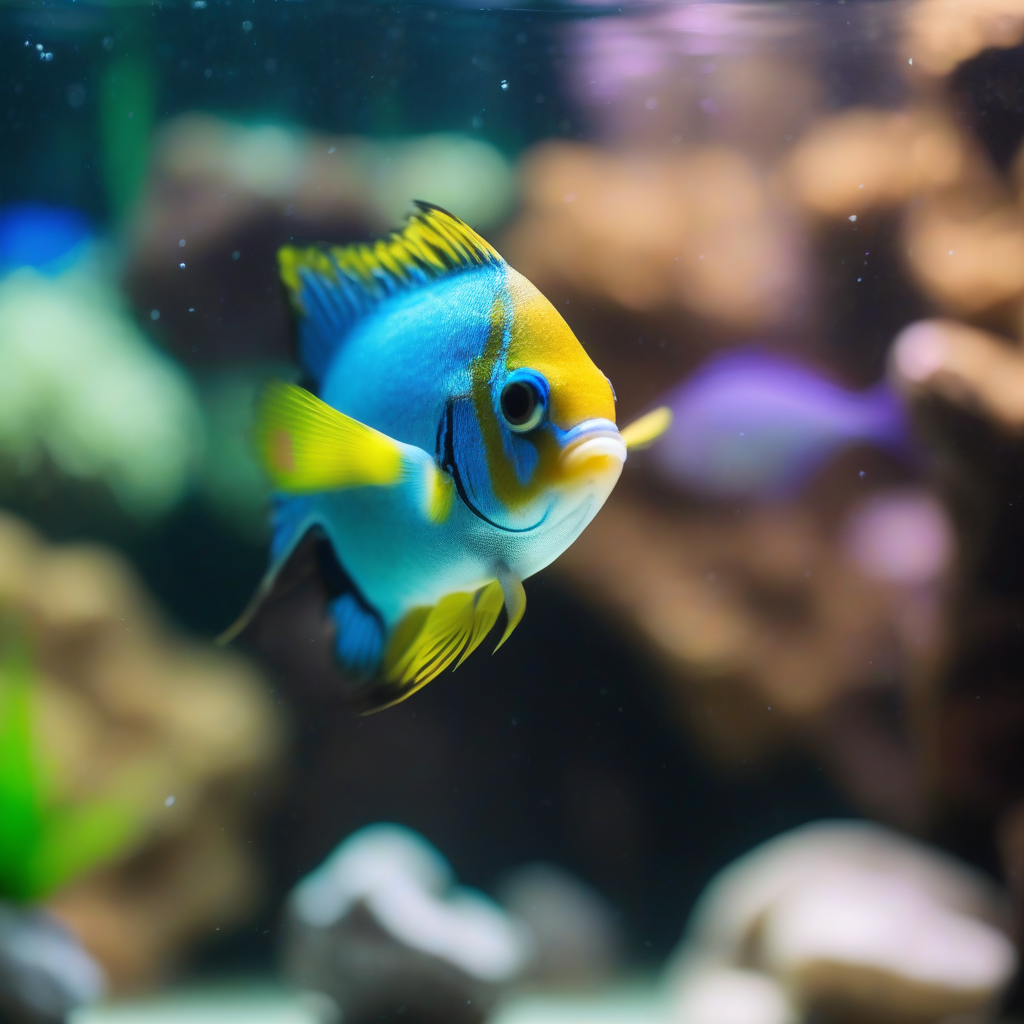
In this article, you will find comprehensive information on the insidious neurotoxic effects of heavy metal poisoning in aquarium fish, its symptoms, and lifesaving emergency intervention codes. This condition, which can arise from household water sources, improper equipment, or neglect, can severely threaten your fish's quality of life and lifespan.
Our adorable companion rabbits bring joy to our homes, but one of the factors directly affecting their quality of life is the design of their living environment. A cage is much more than a simple shelter; it should be a 'habitat' where rabbits can display their natural behaviors and develop physically and mentally. Unfortunately, many pet rabbits are kept in inadequate living spaces designed without considering their physiological and ethological needs. This situation creates a 'hidden architectural stress' that can lead to unnoticed but severe health problems over time. As of March 2026, in light of the latest scientific data, we will delve into the 5 insidious effects of improper cage design on rabbit bone and muscle health and offer scientific solutions to these issues.
Rabbits' delicate skeletal and muscular systems are highly vulnerable to inadequate or improperly designed living spaces. These insidious threats can lead to chronic pain, restricted movement, and a decline in quality of life in the long run.
Rabbits are naturally active creatures that jump, run, and dig tunnels. A small, confined cage hinders these natural movements. Scientific studies show that sufficient physical activity directly affects the activity of bone-forming cells called osteoblasts, which maintain bone density and strength. In rabbits living in confined spaces, there is an increased risk of bone density loss (osteopenia), particularly in long bones and the spine. This can make bones more fragile and predispose them to degenerative joint diseases like arthritis in later life. Providing your rabbit with ample opportunity to move is vital for maintaining bone strength. Therefore, the cage size should be kept to a minimum that allows your rabbit to run and jump.
Many standard rabbit cages feature wire bottoms or slippery surfaces for ease of cleaning. However, such surfaces can cause sores on rabbits' paw pads (pododermatitis) and place excessive strain on the musculoskeletal system during walking and running. Rabbits trying to gain traction on slippery surfaces constantly tense their muscles, which can lead to chronic stress on the spine and joints. Over time, this continuous tension can result in microtraumas to muscles, inflammation, and even chronic pain syndromes. Soft, grippy, and natural surfaces are critical for rabbits' comfort and musculoskeletal health. Making the right substrate choice for your rabbit significantly reduces this risk.
Rabbits are creatures that love to climb and jump. However, high platforms or improperly placed shelves within the cage can increase the risk of falls. Especially high platforms without adequate landing space or with slippery surfaces can cause rabbits to fall accidentally, leading to leg, spinal, or head injuries. Traumas resulting from falls can cause not only immediate pain but also long-term disabilities and chronic pain. If height differences are desired in the living space, these structures should be designed to be sturdy, safe, and with minimized fall distances.
Rabbits are prey animals and need hiding places to feel safe. The lack of sufficient shelters like tunnels, boxes, or covers within the cage creates a constant feeling of vulnerability in rabbits. This leads to the chronic release of stress hormones (cortisol) in the body. High cortisol levels weaken the immune system, cause digestive problems, and can accelerate muscle atrophy (muscle loss). Stressed rabbits move less, may refuse to eat, and their overall welfare is severely compromised. Meeting your rabbit's need for a safe retreat is critical for their physical health. For more information, you can read our article on the neurobiological impact of past traumas on socialization.
An unenriched, boring cage environment restricts rabbits' natural exploration and exercise behaviors. This can lead to certain muscle groups being overused or, conversely, not used at all. For example, a rabbit forced to sit or turn in only one direction may constantly strain some muscles while weakening others. This imbalance can lead to muscle spasms, posture problems, and joint issues. Various toys, tunnels, surfaces with different textures, and regularly changed arrangements ensure that rabbits use all muscle groups in a balanced way and increase mental stimulation. This also helps rabbits satisfy their natural instincts through habitat enrichment.
It is possible to optimize your rabbit's living space according to scientific data for their health and well-being:
The minimum cage size should be wide enough for the rabbit to run, jump, and stretch comfortably. Providing a spacious playpen or safe outdoor access increases physical activity, supporting bone and muscle health. Additionally, good ventilation secrets also improve overall quality of life.
Avoid wire-bottomed cages. Cover the cage bottom with soft, absorbent, and non-slip materials (e.g., specialized rabbit mats, hay, linen-based bedding). This reduces the risk of pododermatitis and lessens the burden on the musculoskeletal system.
Create safe ramps and low, sturdy platforms within the cage to offer exploration at different levels. Height differences encourage rabbits to exercise, but minimize the risk of falls. Also, ensure good airflow to reduce the risk of heatstroke for your rabbit during summer months.
Add multiple hiding spots (e.g., cardboard boxes, tunnels, hay houses) to the cage. This helps your rabbit feel secure and lowers stress levels. Every rabbit should have at least one hiding spot.
Continuously enrich your rabbit's living space with chew toys, tunnels to explore, various types of hay, and regularly changed cage arrangements. This increases mental stimulation and encourages the balanced use of all muscle groups.
In conclusion, your rabbit's living space is a reflection of its health and happiness. A scientifically-designed, carefully considered cage will ensure your rabbit lives a long, healthy, and happy life. Re-evaluating your pet's living space with this scientific perspective is one of the most valuable gifts you can give them.
