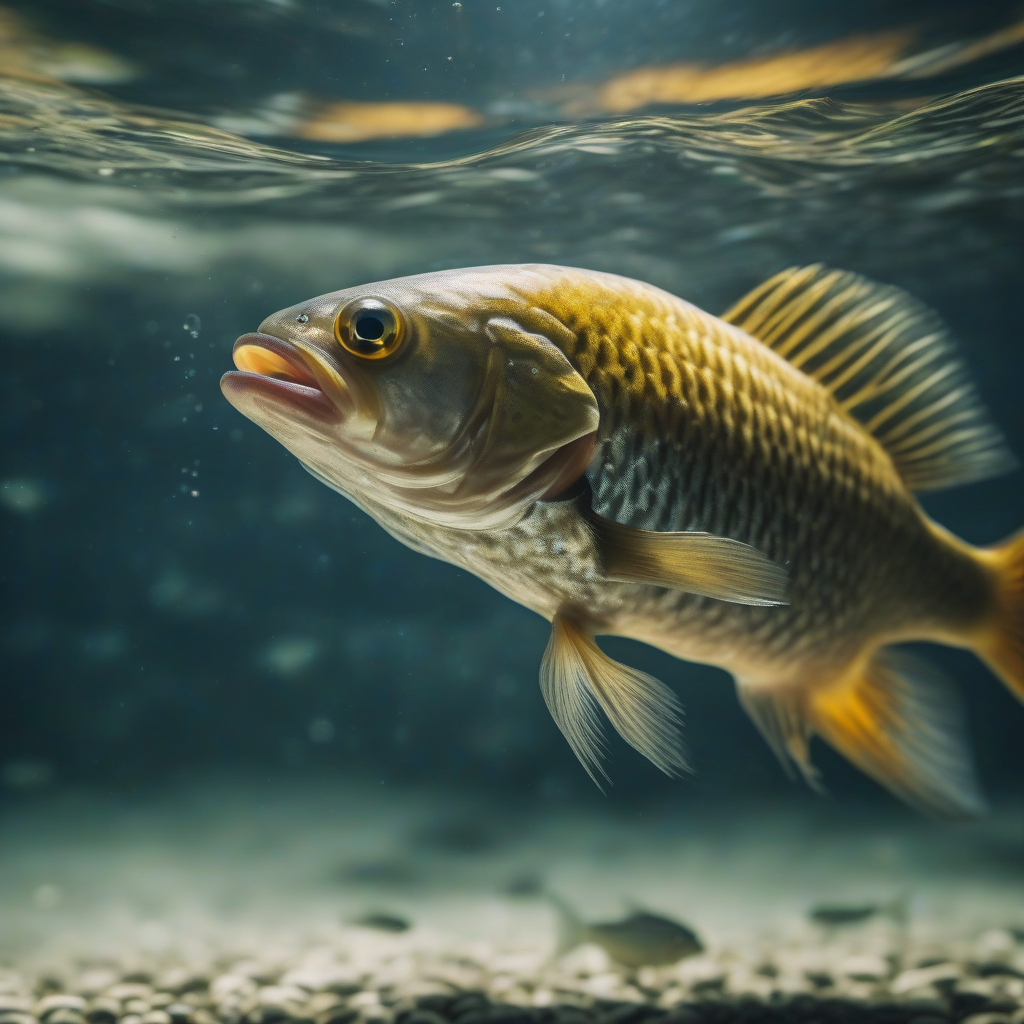
Sudden gill blockage in your fish can pose a severe threat to its life. In this article, we explore the 5 little-known causes of gill blockage and scientific emergency interventions to save your fish.


Discover the types of burns your dog can suffer, the 5 insidious neurophysiological effects these burns create in the brain and body, and lifesaving emergency intervention strategies in this comprehensive guide. We shed light on the dangers behind forgotten household accidents from a scientific perspective.

Discover the neurobiological signals of hidden stress your newly adopted cat experiences during adaptation to a new social environment. This article reveals 5 insidious signs of your cat's silent struggle and scientific strategies for peaceful, long-term harmony.

Your dog's anal sacs, located beneath the tail, can be hidden alarm bells often overlooked but profoundly affecting their quality of life. In this article, you will discover the 5 insidious neurobiological effects of anal sac problems on the brain and the lifesaving care secrets you need to know for your furry friend to live a peaceful life.
The peaceful life in an aquarium can sometimes be shadowed by unseen dangers. The respiratory systems, critically important for your fish's health, can face severe problems unexpectedly. Specifically, gill blockage is a condition that degrades your fish's quality of life and rapidly threatens its survival. So, what are the unknown causes behind these silent screams, and how can you save your fish in the most urgent moments?
Gill blockage is not just a visible problem but a complex condition arising from a combination of underlying factors. Here are 5 critical causes that can obstruct your fish's respiration and are often overlooked:
The cornerstone of the aquarium system, water chemistry, directly impacts fish health. An insufficiently cycled filter system or an overstocked aquarium can lead to the accumulation of toxic substances like ammonia and nitrite. These chemicals irritate the fish's gill tissues, causing inflammation and preventing the gills from functioning normally. This situation effectively causes your fish to suffocate in a toxic environment. We highlighted the importance of this issue in our article, Your Fish's 'Invisible Defense Shield': Insidious Effects of Ammonia, Nitrite, and Nitrate on the Immune System and 5 Scientific Strategies to Boost Disease Resistance!.
Today, seas and freshwater sources are facing increasing microplastic pollution. These small particles can enter aquarium water through various means. Fish gills can trap these microscopic particles while filtering water. Over time, these foreign bodies adhering to the gills obstruct airflow, leading to respiratory distress. Additionally, algae, sand grains, or other small foreign objects in the aquarium can also get stuck in the gills, causing a similar effect. In our content, The 'Hidden Microbial Factory' in Your Aquarium: 5 Overlooked Vital Secrets of Filter Maintenance and Scientific Methods to Scientifically Extend Your Fish's Lifespan!, we detailed how crucial water quality is.
In freshwater fish, sudden and dramatic changes in salt concentration can lead to severe osmotic shock. When the body's water and salt balance is disrupted, the gills are forced to work overtime to restore this equilibrium. This can cause stress, swelling, and ultimately blockage in the gill tissues. It's important to remember that freshwater fish may sometimes require a specific amount of salt or cannot survive in excessively salty environments. Our article Your Fish's 'Hidden Osmotic Shock': Invisible Dangers of Salt Imbalance and 5 Lifesaving Scientific Interventions! will help you understand this delicate balance.
Although fish are cold-blooded, they are highly sensitive to sudden and significant changes in water temperature. High temperatures significantly reduce the amount of dissolved oxygen in the water. Low oxygen levels force the fish to expend more effort to breathe, leading to overexertion and eventual fatigue of the gills. Extreme temperatures also accelerate the fish's metabolism, increasing its oxygen demand, which paves the way for gill blockage.
One of the most common causes of gill blockage is bacterial, viral, or parasitic infections. These pathogens can settle on the gill filaments, causing inflammation, cell damage, and blockage. For example, gill worms or various parasites can attach to the gills, obstructing blood flow and making breathing difficult. Untreated infections, if not diagnosed and treated early, can lead to fatal consequences for the fish's health. In our article Your Fish's 'Secret Light Symphony': The Scientific Effects of Aquarium Lighting on Circadian Rhythms, Stress, and Colors!, we touched upon the effects of lighting on stress; it's important to remember that infections can also trigger stress.
As soon as you notice signs of gill blockage in your fish, you must act without delay. Here are 5 lifesaving scientific interventions you can apply:
If you suspect the cause of the problem is infection or parasites, immediately separate the sick fish from the others. An independent quarantine tank facilitates the treatment of the sick fish and eliminates the risk of transmission to healthy fish. This is one of the most crucial steps to prevent the spread of disease.
If the issue stems from disruptions in water chemistry, perform an immediate 20-30% water change with fresh, de-chlorinated water. Test the water quality and bring ammonia, nitrite, or nitrate levels to ideal values. If necessary, use supplements to support nitrifying bacteria. Remember, clean water facilitates respiration. The article Your Fish's 'Hidden Aquarium Art': Scientific Secrets of Establishing Balance and Training Potential can guide you in establishing aquarium balance.
To raise the dissolved oxygen levels in the water, use an air pump or enhance the efficiency of existing air stones. Agitating the water surface allows oxygen to mix better with the water. In cases of extreme temperatures, try to gradually lower the water temperature to the ideal range. Our article Your Fish's 'Hidden Respiratory Crises': 5 Critical Lifesaving Scientific Interventions for Sudden Breathlessness in the Aquarium! details what to do in cases of oxygen deficiency.
If the problem is caused by parasites or certain infections, a suitable salt bath or medical treatment can be administered under veterinary recommendation. Salt baths can help dislodge some parasites from the fish, while specific medications are effective in combating bacterial or fungal infections. Our content Your Fish's 'Hidden Ion Sea': 5 Deadly Signs of Electrolyte Imbalance in Aquariums and Lifesaving Scientific Intervention! emphasized the importance of ion balance; a salt bath can also help temporarily regulate this balance.
If there is visible foreign matter stuck to the gills, it can be attempted to be removed very gently with a sterile pair of forceps. However, this procedure is extremely risky and has a high probability of damaging the fish's gills. If you are unsure, refrain from this step and seek professional help. In some cases, placing the fish in a small aerated tank to allow fresh, oxygenated water to gently flow over its gills may be beneficial.
Your fish's health is directly linked to your attention and access to accurate information. In emergency situations like gill blockage, maintaining your composure and applying scientific interventions at the right time can save your beloved companion's life.
