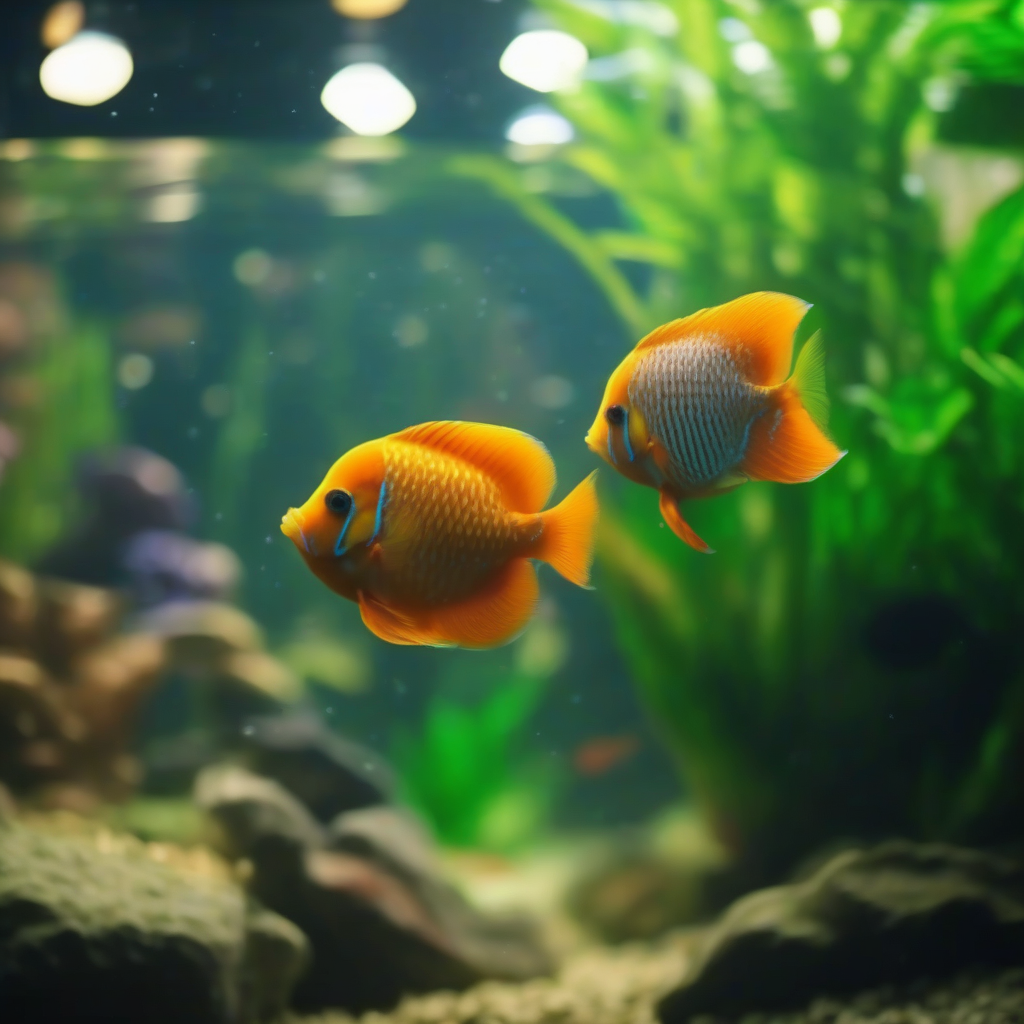
In this article, you will find comprehensive information on the scientific effects of aquarium lighting on your fish's circadian rhythms, stress levels, and color vibrancy, along with strategies for creating an optimal habitat.


Discover the neurobiological signals of hidden stress your newly adopted cat experiences during adaptation to a new social environment. This article reveals 5 insidious signs of your cat's silent struggle and scientific strategies for peaceful, long-term harmony.

Your dog's anal sacs, located beneath the tail, can be hidden alarm bells often overlooked but profoundly affecting their quality of life. In this article, you will discover the 5 insidious neurobiological effects of anal sac problems on the brain and the lifesaving care secrets you need to know for your furry friend to live a peaceful life.
In this article, you will find comprehensive information on the insidious neurotoxic effects of heavy metal poisoning in aquarium fish, its symptoms, and lifesaving emergency intervention codes. This condition, which can arise from household water sources, improper equipment, or neglect, can severely threaten your fish's quality of life and lifespan.
Are those colorful lights shimmering in your aquarium merely an aesthetic touch, or do they have scientifically proven profound effects on your fish's health and well-being? Most aquarium owners believe lighting is only important for plant growth or visual appeal. However, this 'secret light symphony' directly influences many vital biological processes, from your fish's circadian rhythms to their stress levels, and even the vibrancy of their colors. As of March 2026, the latest research in veterinary science clearly reveals the complex effects of aquarium lighting. In this article, we will examine lighting strategies from a neurobiological and physiological perspective to enhance your fish's quality of life.
Like all living creatures, fish possess a 24-hour biological clock. These circadian rhythms are synchronized by the light-dark cycle and affect fish sleep patterns, feeding habits, reproductive cycles, and even immune system functions. Inadequate or incorrect lighting can disrupt this delicate balance, leading to a range of health issues.
In their natural habitats, fish experience specific periods of activity and rest according to daylight and nighttime darkness. Replicating this cycle in the aquarium regulates melatonin production in fish and helps them develop healthy sleep habits. Constant exposure to light or irregular light schedules can lead to chronic insomnia and, consequently, stress. This can manifest in fish behavior (excessive shyness, aggression) and physiological responses (slow growth, color loss).
For many fish species, reproductive cycles are triggered by seasonal changes in light. Providing an appropriate photoperiod that mimics natural light cycles in an aquarium environment can encourage breeding behaviors and support hormonal balance. Incorrect lighting can lead to reluctance to breed or abnormal reproductive behaviors.
Aquarium lighting directly impacts the stress levels of fish. Overly bright light, sudden light changes, or an inappropriate spectrum can cause chronic stress in fish.
In their natural environments, fish live in complex habitats with predators and hiding spots. A constantly and excessively bright aquarium can prevent fish from feeling secure, leading to constant vigilance. This can cause fish to hide more, refuse to eat, or exhibit erratic movements. Creating dimly lit areas with sufficient plant cover and decorations in the aquarium can help reduce this stress.
Different light spectrums are perceived differently by fish eyes and can trigger various physiological responses. For instance, blue spectrum lights are often favored for daytime simulation and plant growth, while red or green spectrums might have different behavioral effects on some species. Choosing the wrong spectrum can negatively impact fish's natural behaviors and even their colors. Particularly deep-water species or nocturnal predators may experience stress under an unsuitable spectrum.
The vibrant colors of fish are not solely linked to genetic inheritance but also closely tied to environmental factors, especially lighting. Appropriate lighting ensures that fish pigment cells (chromatophores) function healthily.
In some fish species, the light spectrum can affect the production of melanin and other pigments. Lighting with the correct spectrum and sufficient intensity allows fish to display their natural and most vibrant colors. Insufficient or monotonous lighting can lead to fading colors over time and indicate deteriorating general health in the fish. This can also be a sign of stress or nutritional deficiencies.
To maximize your fish's well-being, you should base your lighting strategy on scientific data:
Aquarium lighting is not a passive element of your fish's habitat but an active component influencing their biological rhythm, stress levels, and even the vibrancy of their colors. With correct lighting strategies, you will not only create a visually appealing aquarium but also ensure your fish are in the best physiological and psychological condition, offering them a healthy and happy life. Remember, as stated in the article Your Bird's 'Invisible Feather Struggle': Scientific Secrets Behind Feather Loss and 5 Critical Care Protocols for Shiny Feathers, the external appearance of living beings is a reflection of their internal health.
