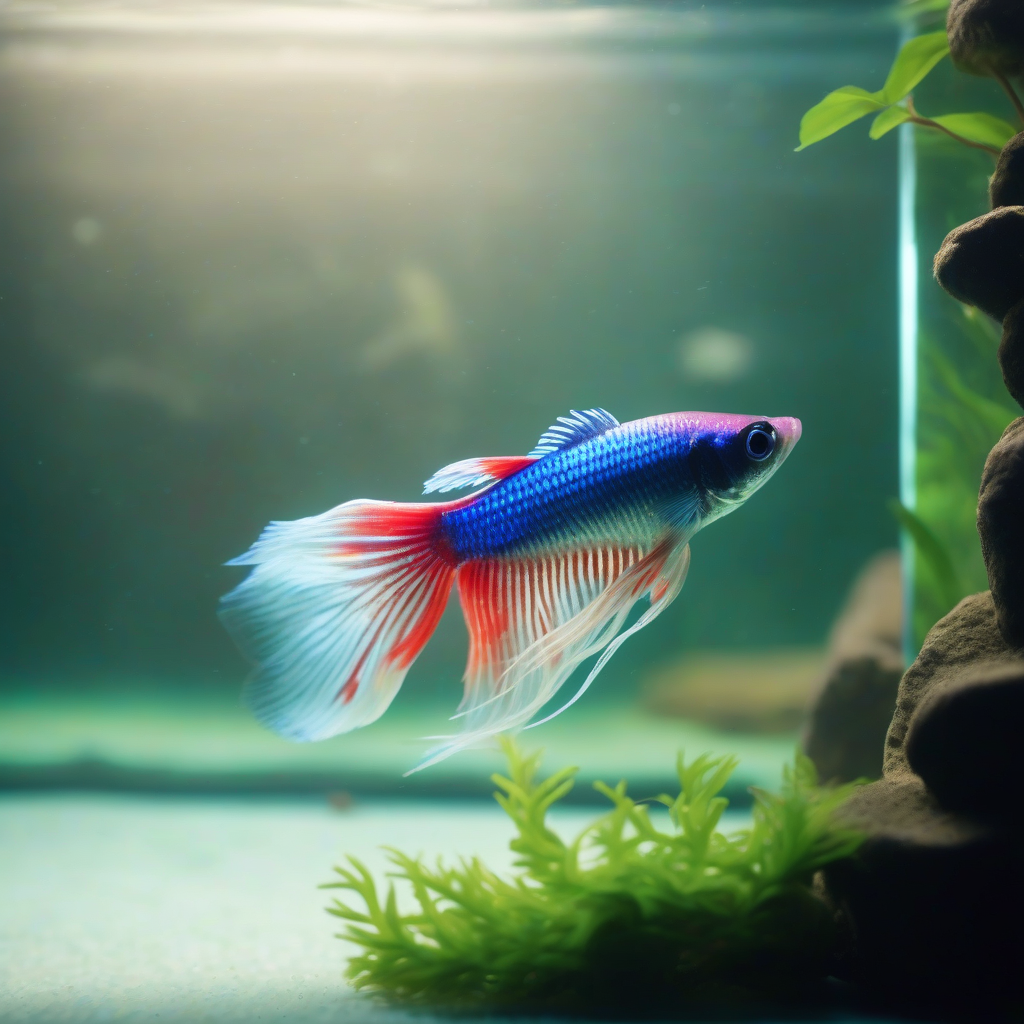
Discover the hidden signs of electrolyte imbalances threatening your fish's health and the critical scientific interventions you need to perform in these vital situations.


Discover the neurobiological signals of hidden stress your newly adopted cat experiences during adaptation to a new social environment. This article reveals 5 insidious signs of your cat's silent struggle and scientific strategies for peaceful, long-term harmony.

Your dog's anal sacs, located beneath the tail, can be hidden alarm bells often overlooked but profoundly affecting their quality of life. In this article, you will discover the 5 insidious neurobiological effects of anal sac problems on the brain and the lifesaving care secrets you need to know for your furry friend to live a peaceful life.

In this article, you will find comprehensive information on the insidious neurotoxic effects of heavy metal poisoning in aquarium fish, its symptoms, and lifesaving emergency intervention codes. This condition, which can arise from household water sources, improper equipment, or neglect, can severely threaten your fish's quality of life and lifespan.
Aquarium keeping offers a unique experience, bringing the fascinating inhabitants of the underwater world into our homes. However, these colorful and vibrant living spaces, while seemingly stable, are extremely sensitive due to the complex chemical balances they hold. The health of our fish depends not only on visible physical symptoms but also on microscopic changes in aquarium water. Perhaps one of the most insidious and overlooked of these changes is electrolyte imbalance. Water where salt and other minerals are not in the correct balance can directly affect your fish's vital functions and lead to fatal consequences if unnoticed.
Electrolytes are ions that can conduct electricity when dissolved in water. Key electrolytes such as sodium (Na+), potassium (K+), calcium (Ca2+), magnesium (Mg2+), chloride (Cl-), and bicarbonate (HCO3-) play a critical role in regulating the balance of fish's body fluids (osmoregulation), nerve transmission, muscle function, and cellular metabolism. For example, fish living in aquatic environments must constantly manage the balance of water and salt in their bodies. If the water is less saline than their bodies, water enters the body; if it is more saline, water leaves the body. Electrolytes play a key role in maintaining this delicate balance.
An electrolyte imbalance in an aquarium usually occurs due to insufficient water changes, concentration of salt from excessive evaporation, adding new water with an incorrect salt ratio, or certain diseases. This condition is a serious source of stress for fish and leads to a series of insidious symptoms.
The initial signs of electrolyte imbalance are often vague and can be mistaken for other common aquarium problems. However, careful observation can help you detect this insidious danger early:
Electrolyte imbalance can disrupt muscle function and nerve transmission, causing your fish to exhibit pronounced weakness and lack of motivation. If your fish spends more time than usual motionless at the bottom or surface of the aquarium, it could be a warning sign. They may struggle to extend their fins or move more slowly than usual. This symptom becomes more pronounced, especially in situations where the water is excessively hard or excessively soft.
Besides regulating water and salt balance, electrolytes also affect respiratory function. In cases of imbalance, fish may have to work harder to maintain their water and salt balance. This manifests as more rapid and irregular movements of the gill covers than usual. The fish may appear as if it is struggling to breathe. This can also be a sign of low oxygen levels in the aquarium, requiring careful evaluation.
The health and clarity of the eyes are closely related to the body's overall hydration and electrolyte balance. Electrolyte imbalance can cause fluid retention or loss around the eyes, making them appear dull, lackluster, or sometimes even bulging outwards. This condition can also negatively affect the fish's vision and is an indicator of deteriorating overall health.
Given the role of electrolytes in cellular metabolism, cells cannot efficiently utilize energy in the event of an imbalance. This can lead to rapid weight loss and general weakness in the fish. A noticeable thinning of their bodies, making their scales more prominent, is a serious indication of this hidden danger. Loss of appetite may also accompany this condition.
Electrolytes are vital for the proper functioning of the nervous system. In cases of imbalance, nerve transmission can be disrupted. This can lead to either over-excited behaviors in the fish, such as erratic swimming or rubbing against the aquarium glass, or conversely, a state of complete apathy and unresponsiveness to their surroundings. Shifts between these two extremes indicate the severity of the situation.
If you notice one or more of the above symptoms in your fish, you must act without delay. Here are the vital scientific intervention steps:
The first step is to test the basic chemical parameters of your aquarium water. Specifically:
These tests will help you understand the source of the problem. If the general hardness (GH) or total dissolved solids (TDS) are lower than expected, it may indicate an electrolyte deficiency. High values, on the other hand, may indicate over-concentration and potential poisoning.
If water tests show low GH or TDS values, a controlled water change should be performed. However, the most critical point to note here is the quality of the new water used. Tap water is generally poor in minerals. Therefore, preparing new water by using mineral supplements specifically formulated for aquariums (containing products with calcium, magnesium, and potassium, for example) is vital. Follow the instructions on the product label meticulously.
In some cases, with the advice of a veterinarian or an experienced aquarium specialist, adding aquarium salt (special aquarium salt containing sodium chloride and other minerals, NOT regular table salt) in safe dosages may be necessary. Aquarium salt can help support the fish's osmoregulation ability, aiding in the re-establishment of fluid and electrolyte balance. However, this is a procedure that must be done very carefully. Incorrect dosage can be toxic to fish.
The food your fish consume can have an indirect effect on electrolyte balance. Using high-quality, balanced food suitable for your fish species is important. Some foods are enriched with vitamins and minerals. However, overfeeding or unbalanced nutrition can also lead to problems. Electrolyte deficiencies are more common in fish that are picky eaters or are not adequately nourished.
Until the problem is resolved, keep the aquarium's temperature, lighting, and filter performance under control. Avoid sudden changes. Observe your fish daily. Improvements in their behavior, normalization of breathing rate, and an increase in their overall vitality indicate that your intervention is yielding positive results.
Preventing electrolyte imbalance is always better than treating it. To do this:
The health of your fish is closely related not only to visible symptoms but also to the hidden chemical balances of their aquarium. Understanding invisible threats like electrolyte imbalance and applying the correct scientific interventions is fundamental to ensuring your underwater companions live long and healthy lives.
