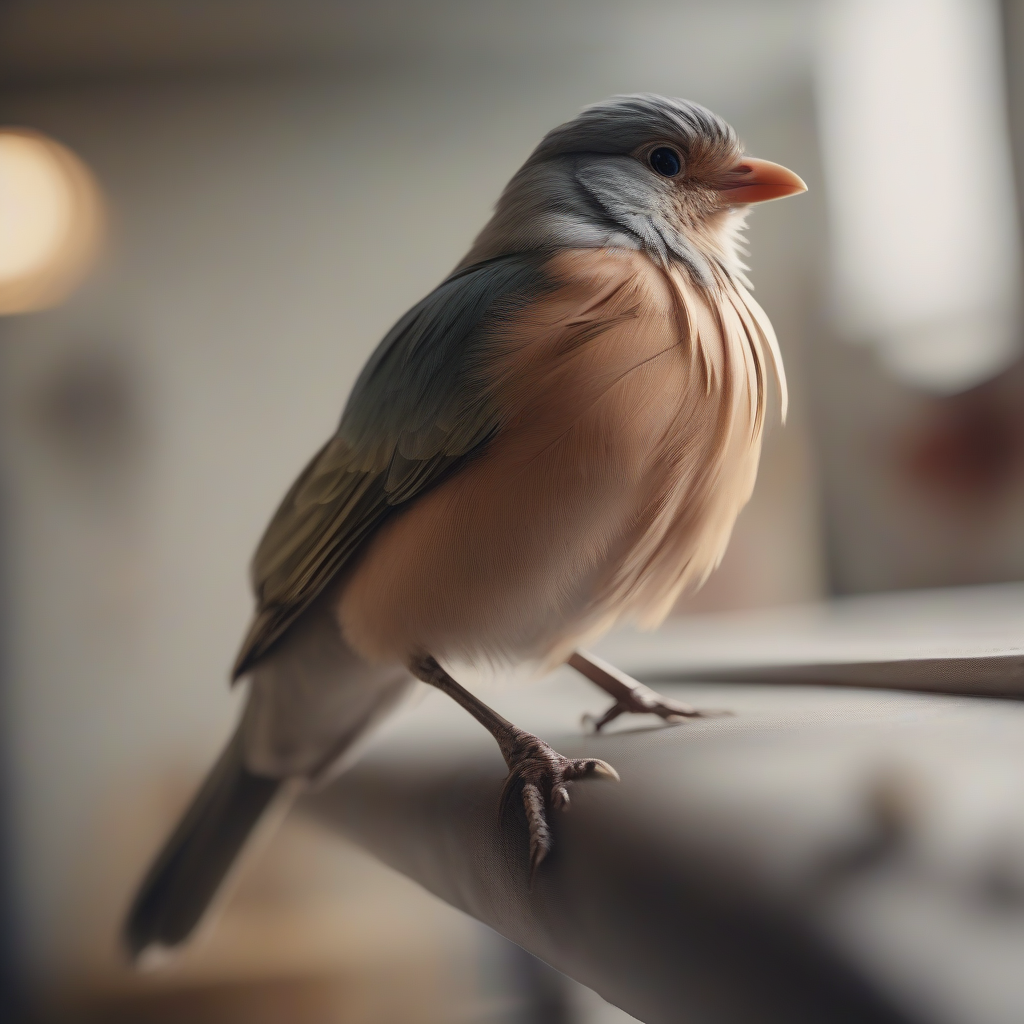
In this article, you will find comprehensive information on the insidious signs of gout (uric acid accumulation), a common but often unnoticed disease in birds, along with lifesaving scientific treatment and prevention methods.


Discover the types of burns your dog can suffer, the 5 insidious neurophysiological effects these burns create in the brain and body, and lifesaving emergency intervention strategies in this comprehensive guide. We shed light on the dangers behind forgotten household accidents from a scientific perspective.

Discover the neurobiological signals of hidden stress your newly adopted cat experiences during adaptation to a new social environment. This article reveals 5 insidious signs of your cat's silent struggle and scientific strategies for peaceful, long-term harmony.

Your dog's anal sacs, located beneath the tail, can be hidden alarm bells often overlooked but profoundly affecting their quality of life. In this article, you will discover the 5 insidious neurobiological effects of anal sac problems on the brain and the lifesaving care secrets you need to know for your furry friend to live a peaceful life.
Birds are among the most popular exotic pets, bringing joy to our lives with their colorful feathers, intelligent behaviors, and melodious calls. However, the metabolic health of these delicate creatures can be quite sensitive, and some 'hidden enemies' can progress silently. One such enemy is gout, a disease primarily characterized by the accumulation of uric acid. If left undiagnosed, this condition can severely diminish your bird's quality of life and even threaten its existence. As of March 2026, in light of the latest scientific advancements in veterinary medicine, we will delve into this insidious crystal nightmare that your bird might encounter.
Unlike mammals, birds' kidneys convert ammonia, the end-product of protein metabolism, into uric acid instead of urea. Uric acid is a white substance that is poorly soluble in water and excreted in a solid form (as urate crystals). This adaptation allows birds to conserve water and be lighter for flight. However, in cases of kidney dysfunction, diets with excessive protein, dehydration, or exposure to certain toxins, uric acid begins to accumulate in the body.
This accumulation can manifest in two primary forms:
Both forms pose a significant threat to your bird and progress insidiously. Symptoms may not become apparent until the disease has reached an advanced stage.
Gout disease, in its early stages, presents with general symptoms that can be easily overlooked. Therefore, conscious observation and early intervention are vital.
Especially in articular gout, you may notice visible swelling in your bird's toe joints, hocks, or wing joints. These swellings are usually painful and can cause your bird to limp, struggle to perch, or avoid using its wings. White, chalky nodules (tophi) may be felt or seen under the skin. These signs become more pronounced in the advanced stages of the disease.
Bird droppings consist of three main parts: feces (solid part), urates (white part), and urine (liquid part). In gout disease, due to affected kidney function, you may observe changes in the consistency or amount of the urates. Urates may be more watery, sparse, or less than normal. Their color may also turn yellowish. This is an insidious indicator that the kidneys are not properly excreting uric acid.
The kidneys, under an excessive uric acid load, have to work harder, which can lead to your bird drinking more water and consequently urinating more (polyuria and polydipsia). The water dish emptying faster than usual or constant damp areas on the cage floor can be a warning sign. This may be an early indicator of kidney damage.
Birds with gout often exhibit general weakness, lethargy, and a loss of activity. They may vocalize less, be reluctant to play, and fluff their feathers while sleeping for longer periods. Their appetite may decrease or they may refuse food entirely. While these are common symptoms of many diseases, when combined with other signs, they strengthen the possibility of gout.
The feathers of a healthy bird should be shiny, vibrant, and well-maintained. Metabolic diseases like gout, affecting overall body health, can lead to deterioration in feather quality. Feathers may become dull, brittle, or shed more than usual. This indicates that the body is not utilizing nutrients properly and signals an internal imbalance.
If you suspect gout in your bird, it is crucial to consult a veterinarian experienced in exotic birds without delay. Early diagnosis and scientifically based intervention can alter the course of the disease.
One of the most common causes of gout is excessive protein and low water content, especially in seed-heavy diets. Protein increases uric acid production, while a lack of fiber and water increases the burden on the kidneys. A balanced pellet diet, along with plenty of fresh fruits and vegetables, is fundamental to reducing the risk of gout. Specifically, substances like phytate found in certain seeds can sabotage calcium absorption, leading to mineral imbalances, which can indirectly affect kidney health. Furthermore, synthetic toxins hidden in bird feeds can also negatively impact kidney function, so choosing high-quality and reliable feed is critically important. Controlling protein intake and properly balancing essential amino acids is also crucial.
Access to ample and clean water is essential for the excretion of uric acid from the kidneys. Clean your bird's water dish daily and refill it with fresh water. With your veterinarian's recommendation, certain supplements or herbal extracts that support kidney function and facilitate uric acid excretion can also be used.
Nutritional deficiencies, especially of vitamin D and vitamin A, can negatively affect kidney health and general metabolic functions. Ensuring the intake of all micronutrients through a balanced diet is important in reducing the risk of gout. Insidious signs of vitamin and mineral deficiencies may often go unnoticed, making regular veterinary check-ups crucial for early detection of such problems.
Your veterinarian may use diagnostic methods such as blood tests (uric acid levels), X-rays, or biopsies if gout is suspected in your bird. Treatment typically involves dietary changes, fluid therapy, pain management, and, if necessary, medications (e.g., allopurinol) that help lower uric acid levels. Early intervention can prevent permanent kidney damage and significantly improve your bird's quality of life.
Your bird's health is in your hands. Being aware of insidious threats like gout disease, performing regular observations, and seeking professional help immediately in suspicious situations are key to ensuring it lives a healthy and happy life. With proper nutrition, adequate hydration, and regular veterinary check-ups, you can prevent your bird's 'hidden crystal nightmare' and provide it with the long life it deserves.
