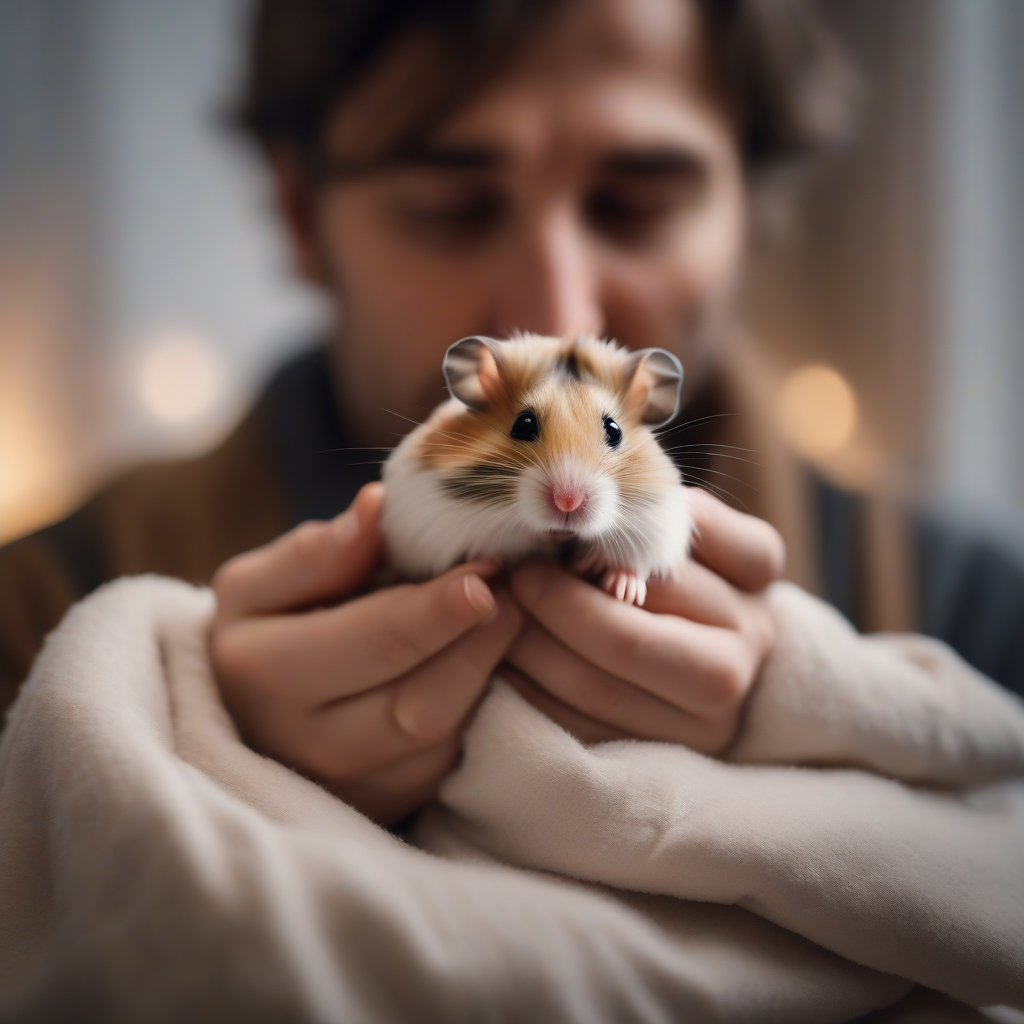
In this article, you will find comprehensive information about the critical differences between hypothermia and torpor in hamsters, the physiological mechanisms that trigger these conditions, and emergency intervention strategies that can save your pet's life. Understand your hamster's struggle with cold from a scientific perspective.


Discover the neurobiological signals of hidden stress your newly adopted cat experiences during adaptation to a new social environment. This article reveals 5 insidious signs of your cat's silent struggle and scientific strategies for peaceful, long-term harmony.

Your dog's anal sacs, located beneath the tail, can be hidden alarm bells often overlooked but profoundly affecting their quality of life. In this article, you will discover the 5 insidious neurobiological effects of anal sac problems on the brain and the lifesaving care secrets you need to know for your furry friend to live a peaceful life.
In this article, you will find comprehensive information on the insidious neurotoxic effects of heavy metal poisoning in aquarium fish, its symptoms, and lifesaving emergency intervention codes. This condition, which can arise from household water sources, improper equipment, or neglect, can severely threaten your fish's quality of life and lifespan.
Our tiny friends, hamsters, may appear resilient, but they are quite sensitive when it comes to controlling their body temperature. Especially during winter months or sudden temperature drops, two critical conditions arise: hypothermia and torpor. Although these two conditions are often confused, they show significant differences in terms of physiological mechanisms and emergency intervention requirements. Misinformation can cost a small hamster its life. In this article, by examining these complex topics through a scientific lens, you will learn how to save your hamster from this 'frozen slumber trap' and discover preventive steps.
Hypothermia is a condition where the body's core temperature drops below its normal range, and the rate of heat loss exceeds the body's ability to produce heat. For hamsters, the normal body temperature ranges from approximately 36.5-38.5°C (97.7-101.3°F). Every degree below this range negatively affects vital functions.
Torpor (or hibernation in a broader sense) is a natural physiological adaptation observed in some small mammals (including hamsters) aimed at conserving energy by significantly reducing their metabolic rate. Body temperature drops, heart rate and respiration slow down. However, this is a controlled process, and the animal can usually react to external stimuli (sound, touch) and even wake up. While pet hamsters do not regularly hibernate like their wild ancestors, they can enter an involuntary state of torpor under inappropriate environmental conditions (low temperature, food scarcity). Unfortunately, in a domestic environment, torpor is often a risk factor and can easily turn into dangerous hypothermia.
If these symptoms appear, especially in an environment experiencing a temperature drop, immediate intervention is required.
The physiological mechanisms and environmental triggers behind hypothermia in hamsters are quite diverse. Knowing these reasons allows you to take preventive steps:
The ideal room temperature for hamsters is around 20-22°C (68-72°F). Every sustained drop of 1-2 degrees below this range causes the hamster to expend more energy to maintain its body temperature. Temperatures of 10°C (50°F) and below, in particular, can rapidly lead to hypothermia or involuntary torpor. Placing the hamster's cage directly in a draft or near a window also increases this risk.
Maintaining body temperature and ensuring thermoregulation requires constant energy. Inadequate or unbalanced nutrition depletes the hamster's energy stores and weakens its ability to cope with cold. Diets poor in carbohydrates and fats, especially, slow down the hamster's metabolism, hindering heat production. You can find information on optimal feeding strategies in our article, Your Hamster's 'Hidden Seed Warriors': 5 Scientific Solutions to Stop Overeating and the Art of Reprogramming Its Metabolism!.
Young and elderly hamsters are more vulnerable to hypothermia because their thermoregulation mechanisms are either not yet fully developed or have weakened. Furthermore, any illness, such as Your Hamster's 'Hidden Gut Crisis': 5 Deadly Signs of Wet Tail (Proliferative Ileitis) and an Emergency Scientific Treatment Protocol!, severely affects the body's ability to produce and conserve heat. Metabolic disorders like diabetes (see Your Hamster's 'Hidden Sugar Nightmare': 5 Insidious Unnoticed Signs of Diabetes and Scientific Management Secrets!) can also make it difficult to regulate body temperature.
Very dry air alone does not directly trigger hypothermia, but it can increase heat loss through evaporation from the skin. It can also dry out the respiratory system, leading to other health problems that lower the hamster's general resistance, making it more susceptible to cold.
Sudden and intense stress (e.g., the arrival of a new pet, loud noises, a fall, or an accident) can cause a shock reaction in the hamster's body. Shock affects blood circulation, leading to a drop in body temperature. Stress also weakens the immune system, making the hamster more vulnerable to environmental risks. The article Your Hamster's 'Shadow Hunter' Instinct: The Wild Ancestors' Legacy and Scientific Solutions for Behavioral Disorders in Pet Life! offers more insights into the behavioral effects of stress.
When you notice signs of hypothermia or deep torpor in your hamster, rapid and accurate intervention is lifesaving. However, it is crucial to be careful and gentle during this process.
Never warm rapidly or excessively! This can lead to shock and organ damage. First, wrap your hamster in a blanket or a small towel. You can hold it close to your chest to warm it slowly with your body heat. Alternatively, you can place hot water bottles wrapped in towels or heating pads under the cage (avoid direct contact). If using a heat lamp, never place the hamster directly underneath and monitor it constantly to prevent overheating. Slow warming allows blood vessels to dilate gradually.
Once your hamster starts showing some response and its swallowing reflex returns, you can provide sugary water or expectorant syrup (as recommended by your veterinarian) to boost its energy levels. If using a syringe, be very careful and dispense small drops to the corner of its mouth, preventing choking. Simultaneously, you can begin supplementing with water, drop by drop, to prevent dehydration. Water is vital for the return of normal body functions.
During and after warming and initial energy supplementation, place your hamster in a quiet, dark, and peaceful environment. Stress and stimulation can slow down the recovery process. In the article Your Hamster's 'Invisible Map Laboratory': Neurobiological Secrets of Mysterious Mental Spaces Formed by Scent and Touch, and Optimal Brain-Developing Habitat Design!, you can find tips on stress-reducing habitat design.
Closely observe your hamster's breathing, heartbeat, and reactions. Look for signs of normalization: regular breathing, a faster heart rate, open eyes, and increased movement. If there is any worsening or no improvement, proceed to the next step.
Even if your hamster's condition seems stable, seeking veterinary attention is vital. Hypothermia or deep torpor may indicate an underlying health issue or have caused permanent damage to internal organs. A veterinarian will perform necessary medical interventions, diagnose the underlying cause, and apply supportive treatments to accelerate the recovery process.
Your hamster's health and well-being are in your hands. By using this scientific knowledge, you can prevent your tiny friend from falling into the 'frozen slumber trap' and, in emergencies, take the right steps to save its life. Remember, early diagnosis and correct intervention always yield the best results.
