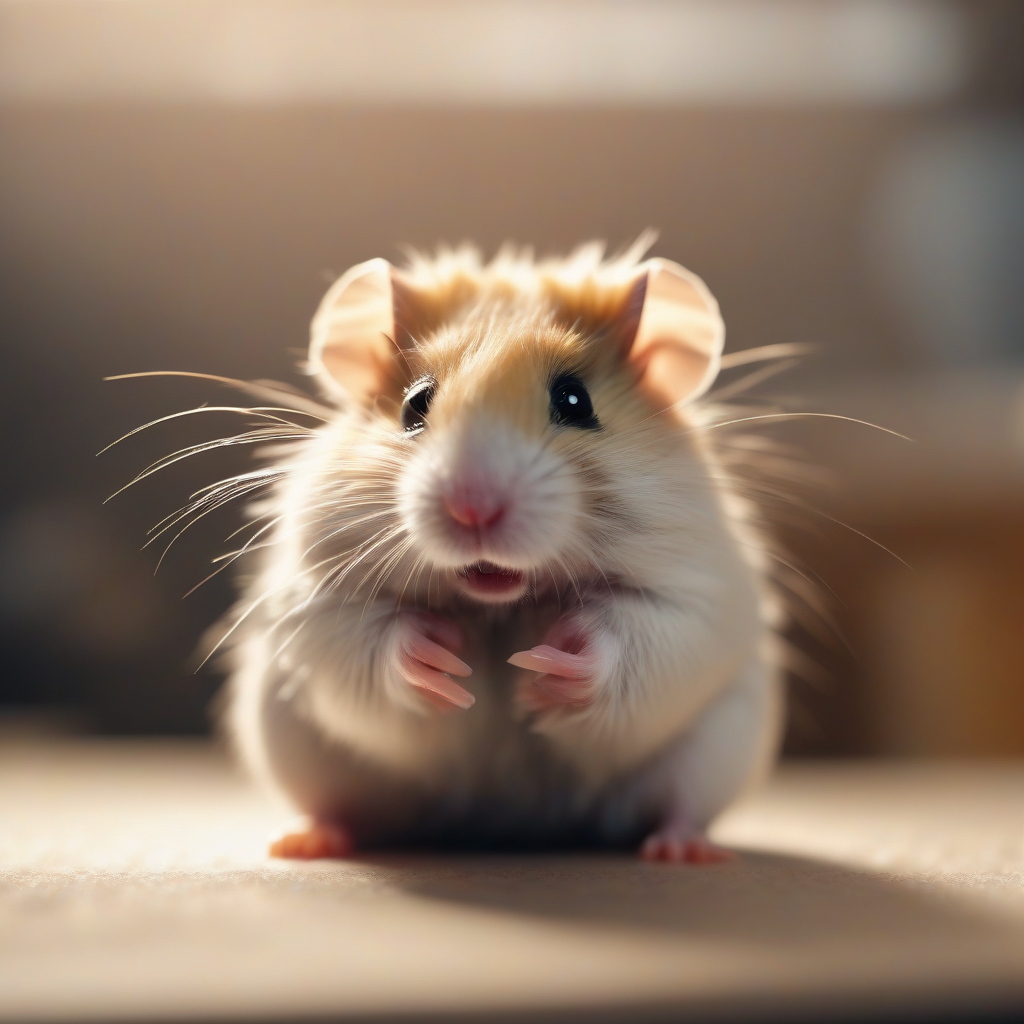
In this article, you will find comprehensive information about 5 insidious early signs of the deadly Wet Tail (Proliferative Ileitis) disease in hamsters, its underlying scientific causes, and life-saving emergency treatment protocols. Discover scientific strategies to protect your hamster's health.


Discover the neurobiological signals of hidden stress your newly adopted cat experiences during adaptation to a new social environment. This article reveals 5 insidious signs of your cat's silent struggle and scientific strategies for peaceful, long-term harmony.

Your dog's anal sacs, located beneath the tail, can be hidden alarm bells often overlooked but profoundly affecting their quality of life. In this article, you will discover the 5 insidious neurobiological effects of anal sac problems on the brain and the lifesaving care secrets you need to know for your furry friend to live a peaceful life.
In this article, you will find comprehensive information on the insidious neurotoxic effects of heavy metal poisoning in aquarium fish, its symptoms, and lifesaving emergency intervention codes. This condition, which can arise from household water sources, improper equipment, or neglect, can severely threaten your fish's quality of life and lifespan.
Hamsters, despite their small size, are delicate creatures with complex physiological structures. Unfortunately, one of the most insidious and deadly diseases that threaten them, Wet Tail (Proliferative Ileitis), can rapidly lead to death if not diagnosed early. This condition is more common in young hamsters, those exposed to stress, or those adapting to new environments. Wet Tail is a severe intestinal inflammation caused by a bacterial infection in the small intestine, and 50-90% of cases can be fatal. This article aims to inform hamster owners about this hidden threat, enable them to recognize early symptoms, and provide life-saving scientific intervention strategies.
Wet Tail, scientifically known as Proliferative Ileitis, is an infection characterized by cell proliferation in the terminal part of the small intestine (ileum), typically caused by a bacterium called Lawsonia intracellularis. This bacterial infection leads to abnormal growth of intestinal cells, causing the intestinal wall to thicken and severely impairing absorption functions. As a result, severe diarrhea, dehydration, and electrolyte imbalance occur. Stress, dietary changes, environmental factors, and crowded living conditions can trigger or worsen the disease. When your hamster's immune system is weakened, a suitable environment is created for this insidious bacterium to rapidly multiply in the intestines. This bacterial imbalance disrupts the microbiome balance, as discussed in our article Your Hamster's 'Hidden Bacterial Battles': Neuro-Immune Secrets of the Digestive Microbiome and Crisis Management!, and negatively affects its overall health.
Early diagnosis is vital because Wet Tail disease progresses rapidly. Here are 5 critical signs to watch out for:
The most obvious and namesake sign is the constant wet, sticky, and soiled appearance of the tail area. This is due to diarrhea causing feces to stick to the tail and surrounding fur. However, not every wet tail means Wet Tail disease; simple diarrhea can also lead to a similar condition. It is important to observe other symptoms to understand the difference. Careful observation can help you notice even the slightest change in your hamster's condition.
In hamsters with Wet Tail disease, feces are usually soft, watery, and can even be bloody. A change from normally small, firm pellets to this consistency indicates a serious digestive problem. Severe diarrhea leads to rapid dehydration and quickly deteriorates the hamster's general condition. Unlike the information in our article Your Hamster's 'Invisible Constipation Wall': 5 Insidious Dangers of the Digestive System and Life-Saving Scientific Care Secrets!, this condition typically involves excessive fluid loss.
As the disease progresses, hamsters stop eating and rapidly lose weight. Loss of appetite occurs due to intestinal inflammation and a general feeling of discomfort. A decrease in or complete lack of interest in their food, which they normally show, is a serious alarm sign. This is a much more serious problem than the picky eating behavior mentioned in Your Hamster's 'Secret Scent Compass': Why Is It Rejecting Fresh Food? Scientific Secrets of Indigestible Proteins and 5 Breakthrough Strategies for Food Selection!.
Sick hamsters typically appear lethargic, sluggish, and uninterested in their surroundings. They won't run on their wheel, explore their cage, or play. The desire to move decreases, and they often huddle in a corner, sleeping. This loss of energy is due to dehydration, nutrient deficiency, and the infection wearing down the body. A normally active hamster behaving this way is a situation requiring immediate veterinary intervention.
Hamsters normally take care to keep their fur clean and tidy. However, a hamster with Wet Tail disease neglects its grooming because it feels unwell. Its fur may appear ruffled, dull, and disheveled. While this is a general sign of illness, combined with other symptoms, it increases suspicion of Wet Tail. Additionally, their eyes may appear sunken due to dehydration.
For a hamster suspected of having Wet Tail, seeking veterinary attention without delay is vital. Treatment typically involves the following scientific steps:
The veterinarian will prescribe specific antibiotics effective against Lawsonia intracellularis, the bacterium causing the infection. These antibiotics, usually administered orally or by injection, aim to control the bacterial population in the intestines. For successful treatment, it is critical to use antibiotics at the correct dosage and for the specified duration.
Due to severe diarrhea, hamsters rapidly become dehydrated. The veterinarian will attempt to restore fluid and electrolyte balance with subcutaneous fluid injections or oral electrolyte solutions. This support is essential to stabilize the hamster's general condition and protect organ functions.
Special diets or supplements may be recommended to strengthen the immune system and support the digestive system of sick hamsters. Probiotics can help balance the gut flora. Additionally, providing a heated living space and a stress-free environment will accelerate the recovery process. Other metabolic issues, such as those discussed in Your Hamster's 'Hidden Sugar Nightmare': 5 Insidious Unnoticed Signs of Diabetes and Scientific Management Secrets!, can also affect the course of Wet Tail, so a holistic assessment of the overall health status is important.
Intestinal inflammation and cramps can be quite painful for your hamster. The veterinarian may prescribe appropriate pain relievers to alleviate pain and increase the animal's comfort. This helps reduce the hamster's stress level and contributes positively to the recovery process.
Given the contagious nature of the disease, it is important to isolate the sick hamster from other hamsters and meticulously disinfect its cage. As stated in our article Your Hamster's 'Chemical Nightmare': 5 Insidious Signs of Cleaning Product and Environmental Toxins, and Lifesaving Scientific Solutions!, regularly cleaning the cage and equipment using appropriate cleaning products prevents the spread of the disease and supports the healing environment.
Wet Tail disease is one of the most feared conditions among hamster owners. However, recognizing early symptoms and consulting a veterinarian without delay can save your hamster's life. Remember, the health of these tiny friends is in your hands. In the light of scientific knowledge, being proactive and seeking professional help in suspicious cases is the most effective way to protect them from this deadly disease. Always keep this information in mind to improve your hamster's quality of life and keep it safe.
