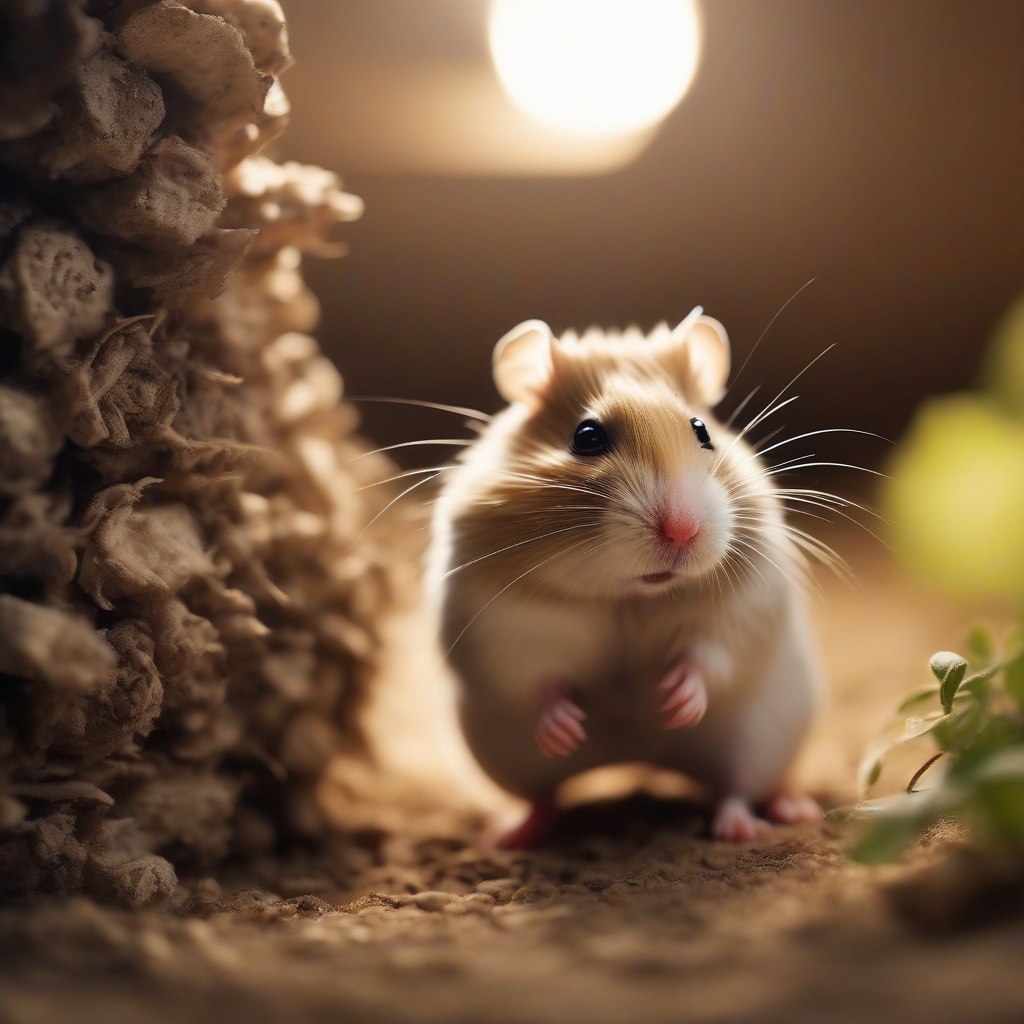
In this article, you will discover your hamster's 'Shadow Hunter' instinct inherited from its wild ancestors, its effects on pet life, and scientific ways to prevent behavioral disorders by meeting these natural behavioral needs.


Discover the neurobiological signals of hidden stress your newly adopted cat experiences during adaptation to a new social environment. This article reveals 5 insidious signs of your cat's silent struggle and scientific strategies for peaceful, long-term harmony.

Your dog's anal sacs, located beneath the tail, can be hidden alarm bells often overlooked but profoundly affecting their quality of life. In this article, you will discover the 5 insidious neurobiological effects of anal sac problems on the brain and the lifesaving care secrets you need to know for your furry friend to live a peaceful life.
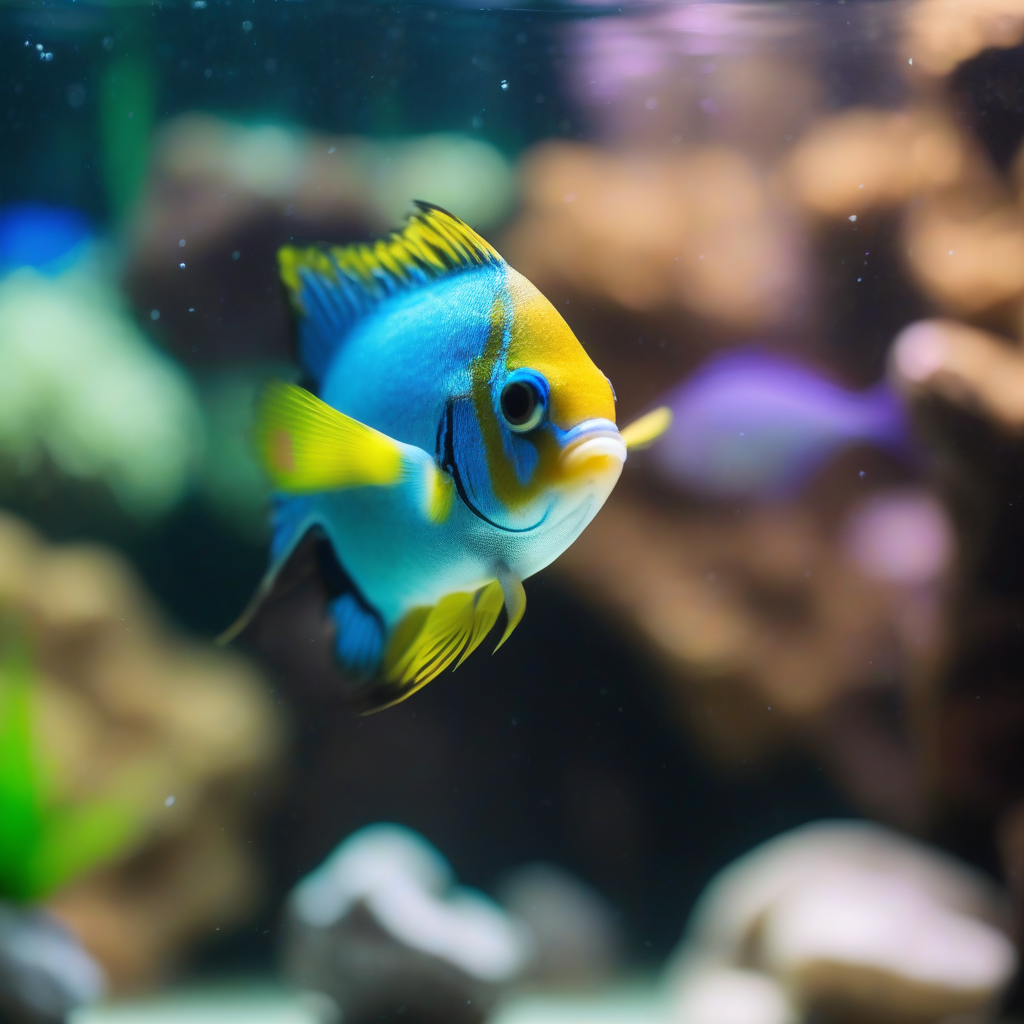
In this article, you will find comprehensive information on the insidious neurotoxic effects of heavy metal poisoning in aquarium fish, its symptoms, and lifesaving emergency intervention codes. This condition, which can arise from household water sources, improper equipment, or neglect, can severely threaten your fish's quality of life and lifespan.
Hamsters, despite their miniature size, possess one of the most complex psychologies in the pet world. Although often perceived as cute and docile, their DNA carries the deep imprints of thousands of years of wild existence, making them 'shadow hunters' and masterful foragers. Neglecting these instinctual needs in a domestic environment can lead to subtle signs of stress and severe behavioral disorders that are often overlooked. As of March 2026, modern veterinary science offers groundbreaking strategies to better understand the inner world of these tiny creatures and enhance their well-being.
In this article, we will delve into the hunting and foraging instincts hamsters inherited from their wild ancestors, how these instincts can lead to conflicts in domestic life, and most importantly, how to scientifically meet these behavioral needs to optimize your hamster's physical and mental health.
Hamsters' natural habitats are typically semi-desert and steppe regions. To survive in these harsh environments, they require keen senses and specific behavioral patterns. Active at night or twilight, these animals lead a strategic life to both avoid being prey and to search for food.
Wild hamsters spend a significant portion of their time searching for food (foraging). This not only fulfills their nutritional needs but also serves as a form of mental stimulation and physical activity. By digging tunnels underground, finding small insects, seeds, and plant materials, and storing them in their cheek pouches to carry back to their burrows, they engage in a complex process that develops their problem-solving skills and satisfies their innate urge to explore. In a domestic setting, readily available food in a bowl often dulls this fundamental instinct and frequently leads to boredom. For more detailed information on this topic, you can refer to our article: Your Hamster's 'Insidious Diet Saboteurs': The Neurobiology of Selective Eating Behavior and 5 Groundbreaking Strategies for Optimal Nutrition!.
The world of hamsters is largely built upon their sense of smell. They leave scents to mark their territories, find mates, and locate food sources. In the wild, these scent trails provide them with a safe route and help them understand their environment. When these natural scent marking and exploration opportunities are restricted in a confined cage, hamsters can experience disorientation and feel insecure. You can find detailed information about proper habitat placement and enrichment in our article: Your Hamster's Hidden Mini-Mega Cities: The Scientific Secrets of Habitat Layout and 5 Next-Gen Design Principles for Maximum Welfare!.
When a hamster's strong instincts, inherited from its wild ancestors, are not met within the confined space of a domestic cage, it can have devastating effects on the animal's psychology. This situation, often referred to as "instinctual void," paves the way for various behavioral problems.
Constant boredom and instinctual dissatisfaction lead to chronic stress in hamsters. This stress can manifest as stereotypic behaviors such as bar biting, continuous circling of the cage, excessive grooming, or becoming fixated on a particular corner of the cage. These behaviors are the animal's attempts to expend energy or cope with stress, but they are fundamentally unhealthy and cyclical. Inadequate environmental enrichment can lead not only to behavioral problems but also to physical health issues. For example, physical activity is crucial for the regular functioning of the digestive system. Conditions such as Your Hamster's 'Invisible Constipation Wall': 5 Insidious Dangers of the Digestive System and Lifesaving Scientific Care Secrets! can be indirectly linked to inactivity.
Easily accessible food pacifies a hamster's foraging instinct. This prevents the animal from utilizing its natural problem-solving abilities and leads to mental lethargy. Furthermore, constant access to food can cause overeating and weight gain in some hamsters, which, in the long term, can lead to health problems such as Your Hamster's 'Hidden Sugar Nightmare': 5 Insidious Unnoticed Signs of Diabetes and Scientific Management Secrets!.
To maximize your hamster's well-being, providing an environment that mimics the behavioral repertoire of its wild ancestors is crucial. This means much more than just providing a cage; it's about creating a "mini-ecosystem."
Adjust your hamster's diet to suit its natural needs. Offer a high-quality, balanced commercial hamster food, various fresh vegetables, and small amounts of safe protein sources. Instead of regularly placing food in a bowl, make it a habit to hide or scatter some of it around the cage. This satisfies the animal's foraging and hoarding instincts. Care should also be taken regarding potential chemical residues or cleaning products in the hamster cage, as such substances can affect the animal's natural behaviors.
Hamsters are creatures that carry a great wild spirit within their small bodies. Understanding their "Shadow Hunter" instinct and foraging drive not only prevents behavioral disorders but also deepens the bond we share with them. With a scientifically based, enriched living environment and a careful approach to care, we can help these tiny companions reach their full physical and mental potential. Remember, a happy hamster is one whose instinctual needs are met.
