
Discover the prevalence of diabetes in hamsters, why it's an insidious threat, 5 critical early detection signs, and scientific management strategies in this comprehensive guide. Improve your tiny friend's quality of life!


Discover the neurobiological signals of hidden stress your newly adopted cat experiences during adaptation to a new social environment. This article reveals 5 insidious signs of your cat's silent struggle and scientific strategies for peaceful, long-term harmony.

Your dog's anal sacs, located beneath the tail, can be hidden alarm bells often overlooked but profoundly affecting their quality of life. In this article, you will discover the 5 insidious neurobiological effects of anal sac problems on the brain and the lifesaving care secrets you need to know for your furry friend to live a peaceful life.
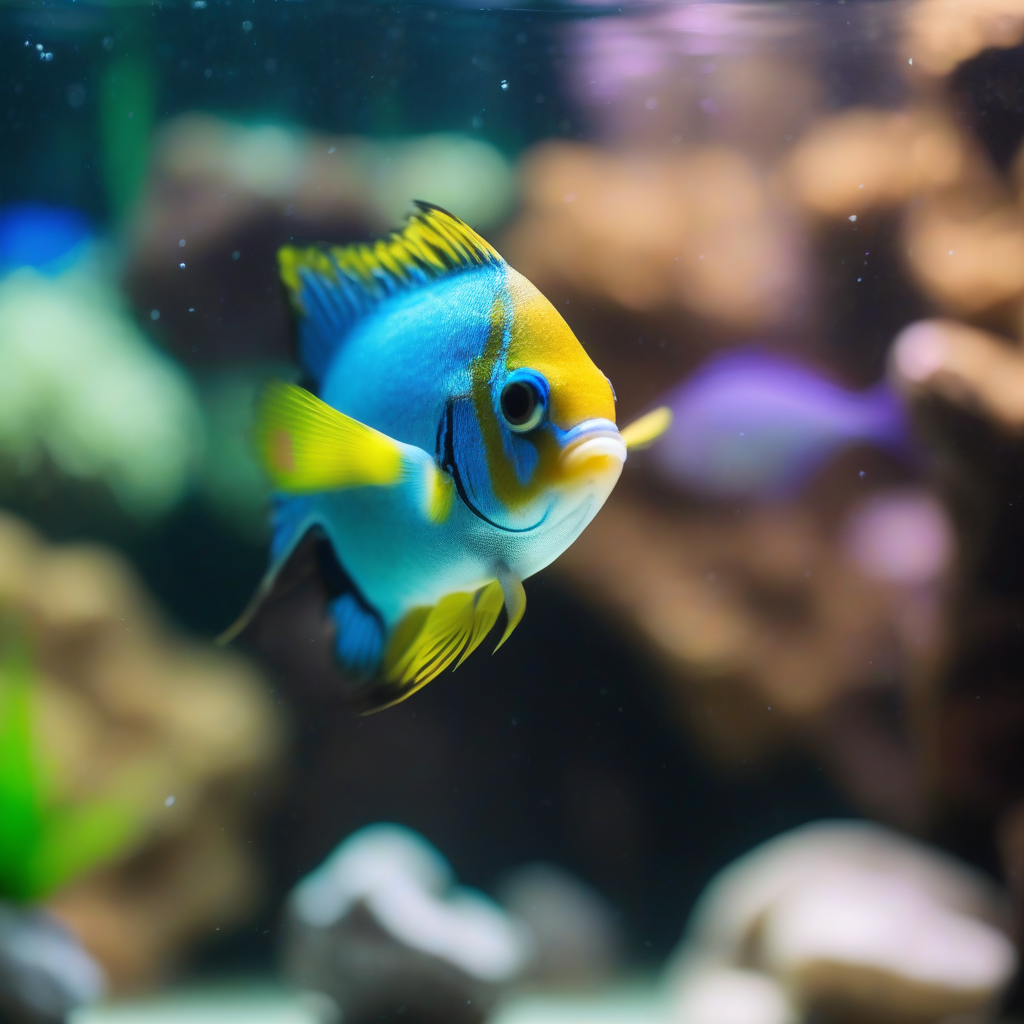
In this article, you will find comprehensive information on the insidious neurotoxic effects of heavy metal poisoning in aquarium fish, its symptoms, and lifesaving emergency intervention codes. This condition, which can arise from household water sources, improper equipment, or neglect, can severely threaten your fish's quality of life and lifespan.
Small, cute, and active hamsters are joyful members of our homes. However, these tiny companions can face a subtle, easily overlooked health threat: diabetes. Particularly common in dwarf hamster breeds due to genetic predisposition, diabetes can lead to severe health problems and a reduced quality of life if not diagnosed early. So, how can we recognize this 'hidden sugar nightmare' and manage it with scientific methods? As of March 2026, based on the latest scientific findings, discover the insidious signs of diabetes in hamsters and life-saving management strategies.
Diabetes is a condition where the body cannot regulate blood sugar levels, resulting from the pancreas not producing enough insulin (Type 1) or the body's cells not responding properly to insulin (Type 2). In hamsters, this condition shows a genetic predisposition, especially in dwarf hamster breeds. Symptoms can easily be missed in these animals, which are active at night and usually hide during the day. As diabetes progresses, complications such as kidney failure, vision loss, nerve damage, and severe infections can develop, leading to situations requiring immediate intervention.
Russian dwarf hamsters (especially Campbell's dwarf hamsters), Chinese dwarf hamsters, and Winter White dwarf hamsters are genetically more prone to diabetes than other hamster species. The metabolism of these species can be more sensitive to diets rich in carbohydrates and sugar. This genetic heritage, without proper nutrition and habitat management, can accelerate the development of diabetes.
Improper nutrition is one of the main factors triggering diabetes in genetically predisposed hamsters. High-sugar fruits, starchy vegetables, and processed hamster foods can cause sudden spikes in blood sugar levels, putting a strain on the pancreas. Over time, this can lead to insulin resistance or pancreatic exhaustion. Therefore, carefully managing your hamster's diet is vital for an individual with genetic risk. For more information, you can check our article: Your Hamster's 'Secret Seed Warriors': 5 Scientific Solutions to Stop Overeating and the Art of Reprogramming Its Metabolism!.
Here are critical signs that may indicate the presence of diabetes in your hamster but can easily be mistaken for other conditions:
One of the most apparent, yet often overlooked, signs of diabetes is your hamster drinking significantly more water than usual, leading to more frequent or larger amounts of urination. When blood sugar levels rise, the body tries to excrete excess sugar through urine, which causes water loss. If you notice your hamster emptying its water bottle unusually fast, pay attention. This condition can also be related to mineral imbalances like in Your Fish's 'Unknown Calcium Crisis': Insidious Risks Threatening Bone Health and 5 Lifesaving Care Secrets from Experts! or kidney problems.
Diabetic hamsters can often lose weight despite adequate food intake because their body cells cannot utilize glucose for energy. In some cases, especially in the early stages of the disease, weight gain due to excessive appetite can also be observed. If you notice a significant and unexplained change in your hamster's weight, it could be a warning sign. Digestive issues can also be a cause of weight changes; for instance, you can refer to the article Your Hamster's 'Invisible Constipation Wall': 5 Insidious Dangers of the Digestive System and Lifesaving Scientific Care Secrets!.
A noticeable decrease in your hamster's normally energetic and active behavior, such as less running, less play, and a general lack of enthusiasm, could be an indicator of diabetes. When the body cannot efficiently use glucose for energy, a general state of fatigue arises. As this can also be a symptom of other health problems, veterinary examination is crucial.
Diabetes can negatively affect skin health and coat quality. Fur may become dull, shed, and the skin may show dryness, flakiness, or susceptibility to wound infections. Diabetes weakens the immune system, leading to more frequent skin infections. For the relationship between the immune system and the microbiome, you can examine our article: Your Hamster's Secret 'Bacterial Wars': Digestive Microbiome's Neuro-Immune Secrets and Crisis Management!.
High blood sugar levels can impair immune system function and slow the body's ability to heal wounds. Even small cuts or scrapes may take much longer to heal than usual, and the risk of infection increases. Recurrent infections, particularly on the feet or around the mouth, can be an overlooked sign of diabetes. Your hamster's Hidden Vascular Health is also closely related to diabetes, as high blood sugar adversely affects vascular health.
If you suspect diabetes in your hamster, taking quick and correct steps is vital:
Your veterinarian can diagnose diabetes by measuring blood sugar levels through urine and blood tests. These tests are also necessary to rule out other possible health issues. Early diagnosis plays a key role in slowing the progression of the disease and preventing complications.
For diabetic hamsters, a low-sugar, high-fiber, and protein-rich diet is essential. Processed foods, high-sugar fruits, and starchy vegetables should be avoided. Veterinarian-recommended specially formulated hamster foods and safe greens should be preferred. The diet should aim to minimize blood sugar fluctuations.
Regular exercise can help balance blood sugar. Encourage your hamster to stay active by providing an appropriately sized wheel and plenty of enrichment (tunnels, hiding spots). Additionally, a balanced environment should be provided, considering other metabolic issues like in Your Hamster's 'Hidden Bone Crises': 5 Insidious Signs of Abnormal Calcium Metabolism and Scientific Solutions!.
For hamsters diagnosed with diabetes, regular veterinary check-ups and blood sugar monitoring are imperative. In some cases, your veterinarian may suggest treatment options such as insulin injections or oral medications. These treatments should be administered under strict veterinary supervision and with careful dosage adjustments.
Overcoming your hamster's 'Hidden Sugar Nightmare' requires careful observation, early diagnosis, and a science-based management plan. By implementing these strategies, you can help your tiny friend live a healthy and happy life. Remember, in case of any doubt, the first step should always be to consult a veterinarian.
