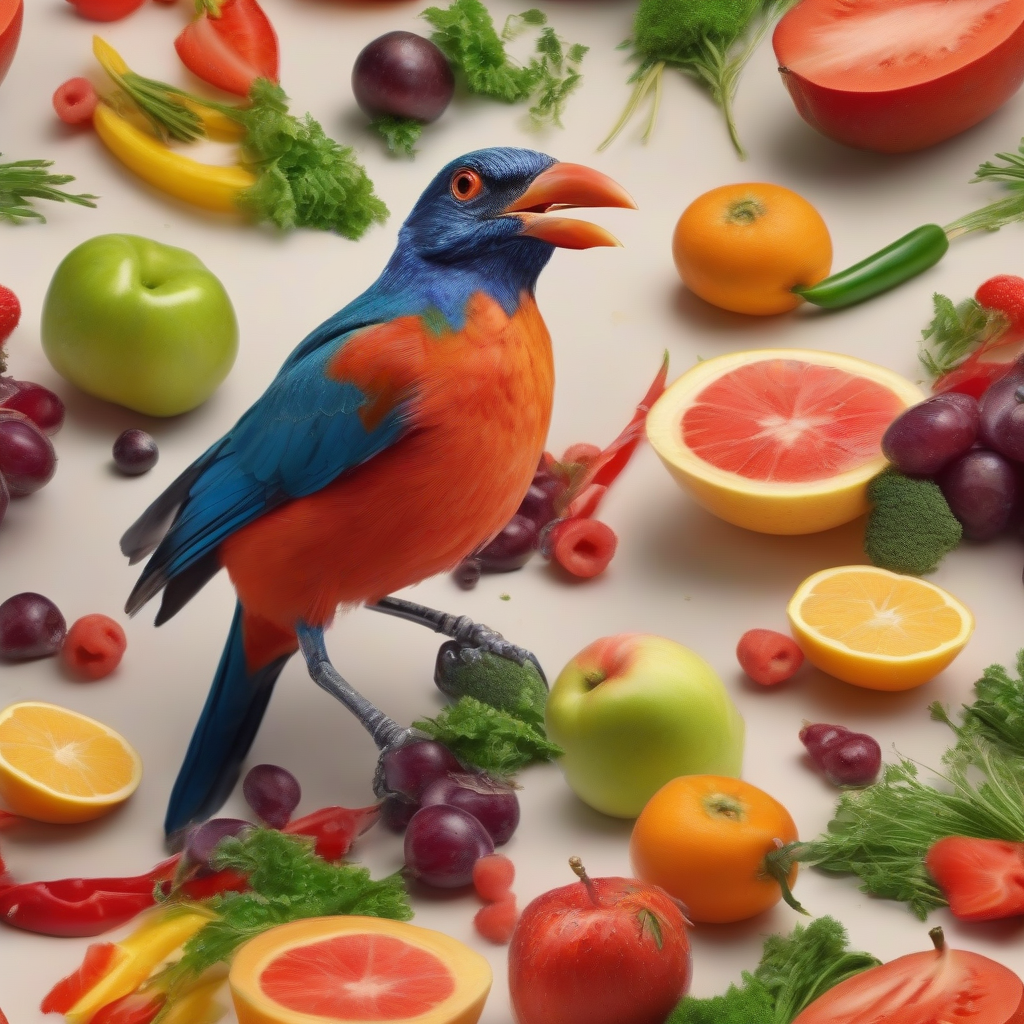
In this article, you will discover the deep nutritional science behind your bird's feather colors, the sources of various pigments, and optimal feeding strategies for vibrant plumage.

In this article, you can discover the scientific secrets to understanding your cat's undesirable habits, deciphering the neurocognitive mechanisms in their brain, and establishing lasting new routines.

Discover the types of burns your dog can suffer, the 5 insidious neurophysiological effects these burns create in the brain and body, and lifesaving emergency intervention strategies in this comprehensive guide. We shed light on the dangers behind forgotten household accidents from a scientific perspective.

Discover the neurobiological signals of hidden stress your newly adopted cat experiences during adaptation to a new social environment. This article reveals 5 insidious signs of your cat's silent struggle and scientific strategies for peaceful, long-term harmony.
The colorful plumage of our pet birds is one of nature's most captivating masterpieces. But did you know that these vibrant hues are not merely a genetic inheritance but are also rooted in deep nutritional secrets derived from your bird's diet? Feather colors are not just an aesthetic feature; they are a mirror of a bird's overall health, nutritional status, and even reproductive success. Inadequate nutrition can lead to serious consequences such as dull feather coloration, color abnormalities, and a decline in feather quality. In this article, we will delve into the nutritional mechanisms that form your bird's invisible paint store behind its feather colors and explore scientific feeding strategies to support vibrant and healthy feathers for your feathered friend.
Bird feather colors are primarily formed by two main mechanisms: pigmentary and structural colors. While structural colors result from the interaction of light with the feather's keratin structure (e.g., blues and purples), pigmentary colors come from chemical substances that the bird obtains through its diet or synthesizes in its body. Since pigmentary colors are directly dependent on the bird's nutrition, understanding and managing them correctly is vital for the feather health and aesthetics of our pet birds. So, what are these fascinating pigments, and how do they interact with our diet?
Most red, orange, and yellow colors come from carotenoids, powerful antioxidants found in a wide range in nature. Birds cannot synthesize carotenoids on their own; therefore, it is essential for them to obtain them through their diet. Carotenoids such as beta-carotene, lutein, and zeaxanthin, once ingested by the bird, are metabolized, transported to the feather follicles, and accumulated there as color pigments. A deficiency of these pigments can lead to dulling or complete loss of feather colors. For example, the yellow color of canaries depends on lutein intake, while red canaries' color relies on red foods rich in carotenoids (e.g., red bell peppers). Blueberries, sweet potatoes, carrots, dark leafy greens (spinach, broccoli), and some fruits are rich sources of carotenoids for birds.
Scientific Note: Carotenoids also play a critical role in your bird's immune system. The scientific impact of antioxidants and phytonutrients on lifespan and disease resistance is important not just for feathers, but for overall health.
While not as popular as carotenoids, pterins are also nitrogenous compounds that play an important role in yellow and red pigmentation, especially in certain bird species (e.g., budgerigars and some canary types). Pterins can be synthesized in the bird's body through metabolic pathways and are often derived from precursors of B vitamins like folic acid (Vitamin B9). This indicates that adequate intake of the B-vitamin complex is critical, especially for birds with yellow and red feathers. Pterin synthesis provides color production independently of carotenoids, offering birds color diversity through different nutritional strategies. Insufficient B vitamin intake can hinder the synthesis of these pigments, leading to color dulling. Understanding 5 little-known subtle signs of vitamin deficiencies and smart nutritional solutions in your bird's diet is also vital for feather health.
Melanins create brown, black, gray, and sometimes yellowish-brown tones in the spectrum of feather colors. There are two main types of melanin: eumelanin (black and gray tones) and phaeomelanin (brown and reddish tones). The production of melanins depends on essential amino acids such as tyrosine and phenylalanine. Birds obtain these amino acids through protein sources in their diet. Therefore, a high-quality protein diet is vital for melanin pigmentation. In addition, some trace minerals like copper and zinc act as cofactors in melanin synthesis. A deficiency in these minerals can lead to abnormal pigmentation, such as dullness or graying in feather colors.
Scientific Note: Feather structure is largely composed of keratin protein, and the synthesis of this protein requires essential amino acids. Your Bird's 'Invisible Building Blocks': 5 Insidious Signs of Essential Amino Acid Deficiencies and Scientific Nutritional Strategies! directly impacts not only feather structure but also melanin pigmentation.
The vibrancy of feather colors depends not only on the presence of a single type of pigment but also on the overall balance of the diet and the synergistic interaction of nutrients. For example, fat-soluble vitamins (A, D, E, K) affect the absorption of carotenoids, while a healthy digestive system ensures the efficient absorption of nutrients. A high-quality diet must be free from harmful substances. Otherwise, 5 insidious toxins hidden in feed and scientific avoidance methods can negatively impact your bird's overall health and nutrient absorption. Any condition of stress or illness in the body can disrupt the transport of nutrients to feather follicles, leading to impaired pigmentation. Therefore, a balanced diet not only provides pigment precursors but also supports the bird's overall metabolic health, allowing colors to be expressed optimally.
A science-based nutrition plan is essential to maximize the vibrancy and health of your bird's feathers:
Conclusion
Your bird's dazzling feather colors are directly linked to proper nutrition. Pigments like carotenoids, pterins, and melanins are formed as a result of complex metabolic pathways processing specific nutrients obtained from the diet. Each of these pigments has its unique nutritional precursors and functions. By enriching your bird's diet in light of scientific knowledge, you not only ensure that its feathers appear more vibrant but also support its overall health and well-being. Regular check-ups and nutritional counseling with your veterinarian are the best steps to ensure your pet bird lives a long, healthy, and colorful life. Remember, healthy feathers are a sign of a happy bird.
