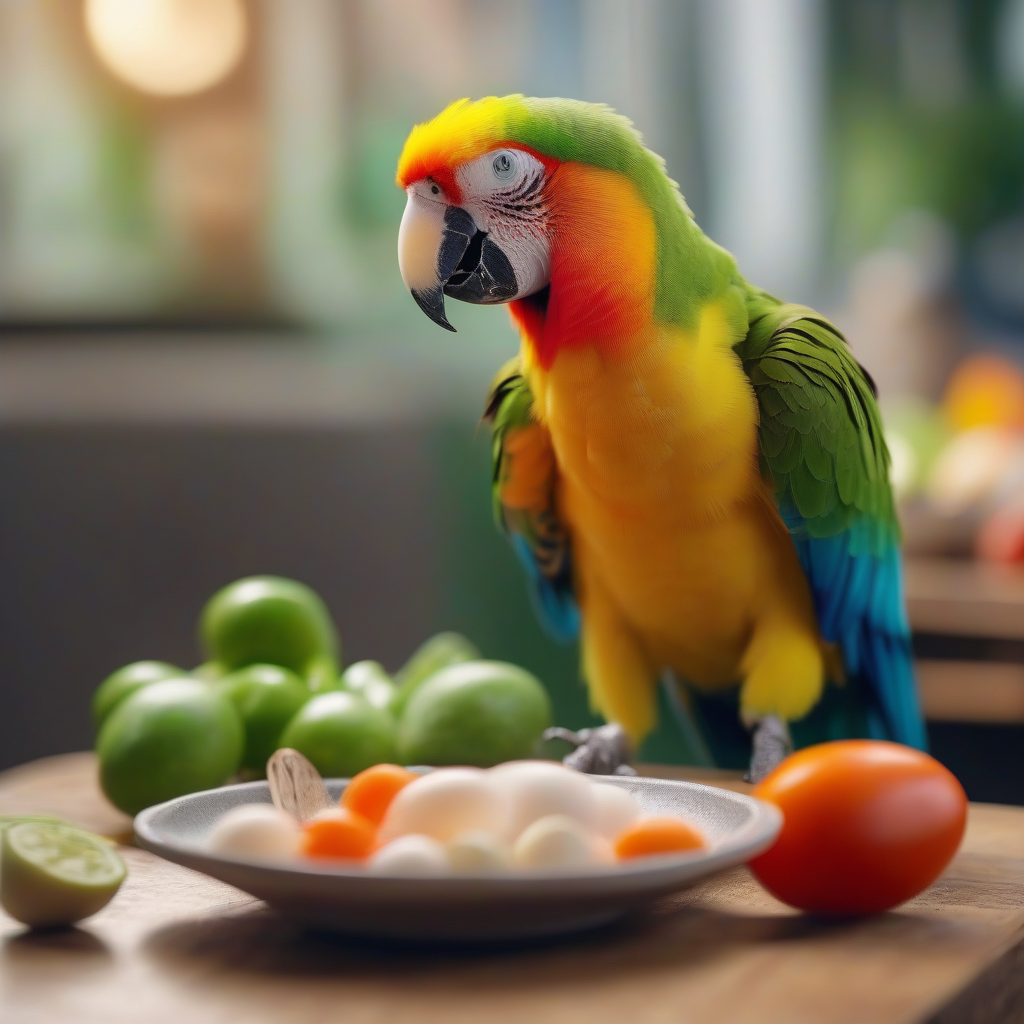
In this article, you will find comprehensive information on the role of essential amino acids vital for your pet birds' overall health, the insidious signs of their deficiencies, and science-backed nutritional strategies.


Discover the types of burns your dog can suffer, the 5 insidious neurophysiological effects these burns create in the brain and body, and lifesaving emergency intervention strategies in this comprehensive guide. We shed light on the dangers behind forgotten household accidents from a scientific perspective.

Discover the neurobiological signals of hidden stress your newly adopted cat experiences during adaptation to a new social environment. This article reveals 5 insidious signs of your cat's silent struggle and scientific strategies for peaceful, long-term harmony.

Your dog's anal sacs, located beneath the tail, can be hidden alarm bells often overlooked but profoundly affecting their quality of life. In this article, you will discover the 5 insidious neurobiological effects of anal sac problems on the brain and the lifesaving care secrets you need to know for your furry friend to live a peaceful life.
For our pet birds to lead a healthy and vibrant life, nutrition is undoubtedly one of the most critical factors. However, we often mistakenly limit nutrition to just "the right seed mix" or "sufficient vitamin supplements." Yet, essential amino acids, the hidden architects of avian health, are often overlooked but vitally important building blocks. These "invisible building blocks" directly influence numerous physiological processes, from feather quality to the immune system, muscle development to mental well-being. In light of the latest scientific findings in pet bird nutrition as of March 2026, this article will delve into why essential amino acids are indispensable for your bird, the insidious signs of their deficiencies, and the scientific nutritional strategies you should implement for optimal health.
Proteins are the foundation of life, and amino acids are the building blocks of these proteins. There are specific amino acids considered essential for birds; this means their bodies cannot produce them on their own, and they must be obtained externally, through their diet. Amino acids such as methionine, lysine, and tryptophan play key roles in various physiological processes in birds:
Amino acid deficiencies often progress slowly and insidiously, making them difficult to spot in early stages. However, the following symptoms can be important warning signs of a dietary gap:
Since amino acids form the basis of feather formation, deficiencies directly impact feather health. You might observe dullness, fading colors, easy breakage, or abnormal, delayed molting in your bird's feathers. Additionally, poor quality of newly emerging feathers or an increase in feather-plucking behavior can also be a sign. These symptoms can be one of the underlying causes of feather health problems, as discussed in our article, Your Bird's 'Invisible Feather Struggle': The Scientific Secrets Behind Feather Loss and 5 Critical Care Protocols for Shiny Feathers.
Without adequate amino acid intake, your bird's muscles can weaken, and muscle mass can be lost. This condition can manifest as decreased activity levels, difficulty flying, balance issues, or general lethargy. This can become more pronounced, especially in older birds or those with chronic illnesses.
Amino acids are essential for the production of immune cells and antibodies. In case of deficiency, your bird's immune system weakens, making it more vulnerable to infections (bacterial, viral, fungal). Frequent illness, prolonged recovery periods, or worsening of an existing condition can be an indicator of amino acid inadequacy. Since gut health is also closely related to the immune system, for more information on this topic, you can refer to the article Your Bird's 'Invisible Microbiome Shield': 5 Insidious Signs of Gut Health and Scientific Nutritional Secrets for Brain Development!.
Amino acids play a critical role in the production of neurotransmitters that affect your bird's brain chemistry. Tryptophan deficiency can lower serotonin levels, while other amino acid deficiencies can lead to general irritability, increased stress, anxiety, depression-like symptoms, or unexpected aggressive behaviors. This situation can be related to the behavioral imbalances discussed in the article Your Bird's 'Purring Wings': 5 Scientific Behavioral Adjustments for Invisible Balance of Calmness and Trust!.
Especially in young, growing birds, essential amino acid deficiency can lead to stunted growth, poor bone development, and overall developmental problems. Inadequate nutrition during critical periods of development can cause long-term health issues that are difficult to remedy.
Meeting your bird's essential amino acid needs not only involves providing quality feed but also requires a balanced and diverse diet.
Each protein source has a different amino acid profile. Sources considered complete proteins contain all essential amino acids required by birds in sufficient quantities. These include:
Relying on a single type of food can lead to amino acid deficiencies. For example, seed-heavy diets often lack certain essential amino acids like methionine and lysine. You can provide a wider range of amino acids by offering a combination of different seeds, fresh fruits and vegetables (broccoli, spinach, carrots), sprouted seeds, and occasionally cooked meat or fish. Remember, as stated in the article Your Bird's 'Magic Stomach' Secrets: 5 Little-Known Subtle Signs of Vitamin Deficiencies and Smart Nutritional Solutions!, balanced nutrition is key to your bird's overall health.
In some cases, especially during molting, breeding periods, post-illness recovery, or in cases of known deficiency, specific amino acid supplements may be necessary under veterinary supervision. These supplements can help quickly address deficiencies but should always be used after consulting an expert.
As important as the amount of amino acids a food contains is how effectively your bird can digest and absorb them. Overcooking or improper storage conditions can reduce the bioavailability of amino acids. Fresh, properly prepared, and appropriately stored foods should be preferred.
Diagnosing amino acid deficiencies may sometimes require a comprehensive dietary analysis and blood tests performed by a veterinarian. Regular check-ups allow you to identify potential problems early and create a personalized nutrition plan tailored to your bird's specific needs.
Conclusion:
Understanding and meeting your bird's essential amino acid needs is fundamental to its long, healthy, and happy life. The care you show for these "invisible building blocks" will make a positive difference in many areas, from the luster of their feathers to their behavioral balance. Remember that a balanced and scientifically based nutritional program is the most effective way to maximize your pet's overall well-being. As always, if you have doubts about your bird's nutritional needs or observe signs of deficiency, consulting a veterinarian is the best course of action.
