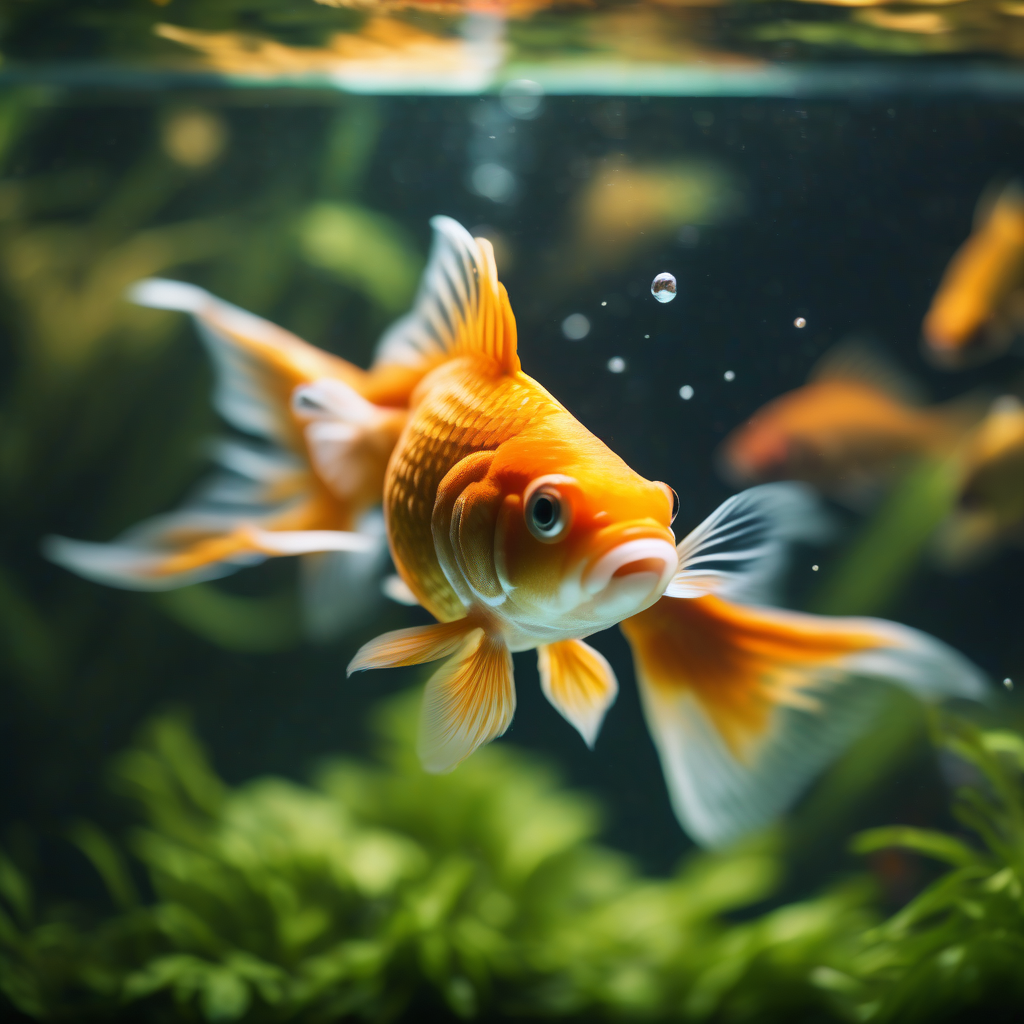
The grace of your aquarium fish in water relies on a vital, often overlooked organ: the swim bladder. In this article, discover the 5 insidious physiological causes behind swim bladder disorders and how to prevent them with scientific methods.


Discover the neurobiological signals of hidden stress your newly adopted cat experiences during adaptation to a new social environment. This article reveals 5 insidious signs of your cat's silent struggle and scientific strategies for peaceful, long-term harmony.

Your dog's anal sacs, located beneath the tail, can be hidden alarm bells often overlooked but profoundly affecting their quality of life. In this article, you will discover the 5 insidious neurobiological effects of anal sac problems on the brain and the lifesaving care secrets you need to know for your furry friend to live a peaceful life.
In this article, you will find comprehensive information on the insidious neurotoxic effects of heavy metal poisoning in aquarium fish, its symptoms, and lifesaving emergency intervention codes. This condition, which can arise from household water sources, improper equipment, or neglect, can severely threaten your fish's quality of life and lifespan.
The unique grace and balance your aquarium fish display in water largely depend on a special organ in their bodies known as the 'swim bladder.' This gas-filled, flexible sac enables the fish to regulate its buoyancy in the water column. However, disorders in this invisible stabilizing system can unfortunately severely impact the quality of life for our fish. Often overlooked, insidious physiological causes of swim bladder problems can lead to fatal consequences if left untreated. At WikiPet, to help you protect your aquarium fish's health with the most scientific approaches, we delve into 5 insidious reasons that disrupt the functioning of this critical organ and the scientific secrets to preventing them.
The swim bladder is an organ located in the body cavity of fish, filled with gases such as oxygen, nitrogen, and carbon dioxide. Its primary role is to maintain hydrostatic balance, meaning it helps the fish remain at a specific depth in the water without sinking or floating to the surface. The amount of these gases is delicately regulated through gas exchange in the fish's bloodstream or, in some species, by gulping air from the surface. Even the slightest malfunction in this sac's function can directly affect the fish's swimming ability, feeding, digestion, and overall well-being.
Swim bladder disorders often cannot be attributed to a single cause and may be a combination of complex underlying physiological processes. Here are some of the most common and insidious causes:
One of the most common causes of swim bladder disorders in fish is problems with the digestive system. Specifically, overfeeding, poor-quality or inappropriate foods (e.g., dry foods that float and encourage air gulping), constipation, or digestive infections can lead to excessive gas buildup in the intestines. These intestinal gases can press on the swim bladder, impairing its function, or directly cause the swim bladder itself to become infected. In severe cases, the bloating becomes so pronounced that the fish flips over or remains at the water's surface.
The swim bladder tissue itself is vulnerable to infections. Gram-negative bacteria (e.g., Aeromonas or Pseudomonas species) or certain parasites can lead to inflammation (cystitis), edema, and impaired gas regulation within the swim bladder. These infections are often triggered by poor water quality, stressful living conditions, or the spread of existing infections from other organs. They are challenging to diagnose early because they don't show obvious external signs but may manifest as sudden and unexplained swimming anomalies in the fish. Understanding the effects of microbiological threats on skin health in your aquarium is crucial for reducing overall infection risk.
Some fish species and especially intensely bred ornamental fish varieties (e.g., fancy goldfish, balloon mollies) are genetically more prone to swim bladder disorders. Their body structures can hinder the normal development or function of the swim bladder. In short-bodied, rounded fish, the swim bladder may become compressed or deformed. This condition can lead to chronic swimming problems throughout the fish's life and is often permanent.
Unstable or poor water quality creates immense stress for fish and weakens their immune systems. High ammonia, nitrite levels, incorrect pH values, or sudden water temperature changes can disrupt the fish's physiology, affecting organ functions. Specifically, mineral imbalances and calcification in aquarium waters can have adverse effects on internal organs, including the swim bladder. This stress can lead to hormonal imbalances and infections that may cause the swim bladder to swell or deflate. Environmental shocks like sudden salt imbalances also deeply affect fish health; it's important to learn about immediate interventions in such situations.
Fish that feed from the surface or eat very quickly can gulp excessive amounts of air during feeding. This swallowed air can go directly to the swim bladder or the digestive system, getting trapped there and disrupting swim bladder function. This situation is more common in fish fed with flake foods or large-grained foods dropped into the water. This sudden air gulping can instantly upset the fish's balance, causing it to float upwards or flip over.
The symptoms of swim bladder disorders can appear suddenly or develop slowly over time. Early signs may include:
If you notice any of these signs, prompt and scientifically based intervention is crucial.
Most swim bladder disorders can be prevented with proper care and management strategies. Here are scientific steps you can implement:
Swim bladder disorders can be serious and potentially fatal for aquarium fish. However, by understanding the insidious physiological causes behind these conditions and implementing proactive scientific prevention strategies, you can help your fish lead long, healthy, and balanced lives. Remember that every fish is an individual, and careful observation is key to successful care. Taking even the smallest behavioral change seriously can pave the way for life-saving interventions. Seeking support from a professional veterinary doctor will ensure you follow the most accurate path in diagnosis and treatment.
