
In this article, you will find comprehensive information on the insidious effects of ammonia, nitrite, and nitrate in aquariums on fish immune systems and how to scientifically boost their disease resistance.


Discover the neurobiological signals of hidden stress your newly adopted cat experiences during adaptation to a new social environment. This article reveals 5 insidious signs of your cat's silent struggle and scientific strategies for peaceful, long-term harmony.

Your dog's anal sacs, located beneath the tail, can be hidden alarm bells often overlooked but profoundly affecting their quality of life. In this article, you will discover the 5 insidious neurobiological effects of anal sac problems on the brain and the lifesaving care secrets you need to know for your furry friend to live a peaceful life.
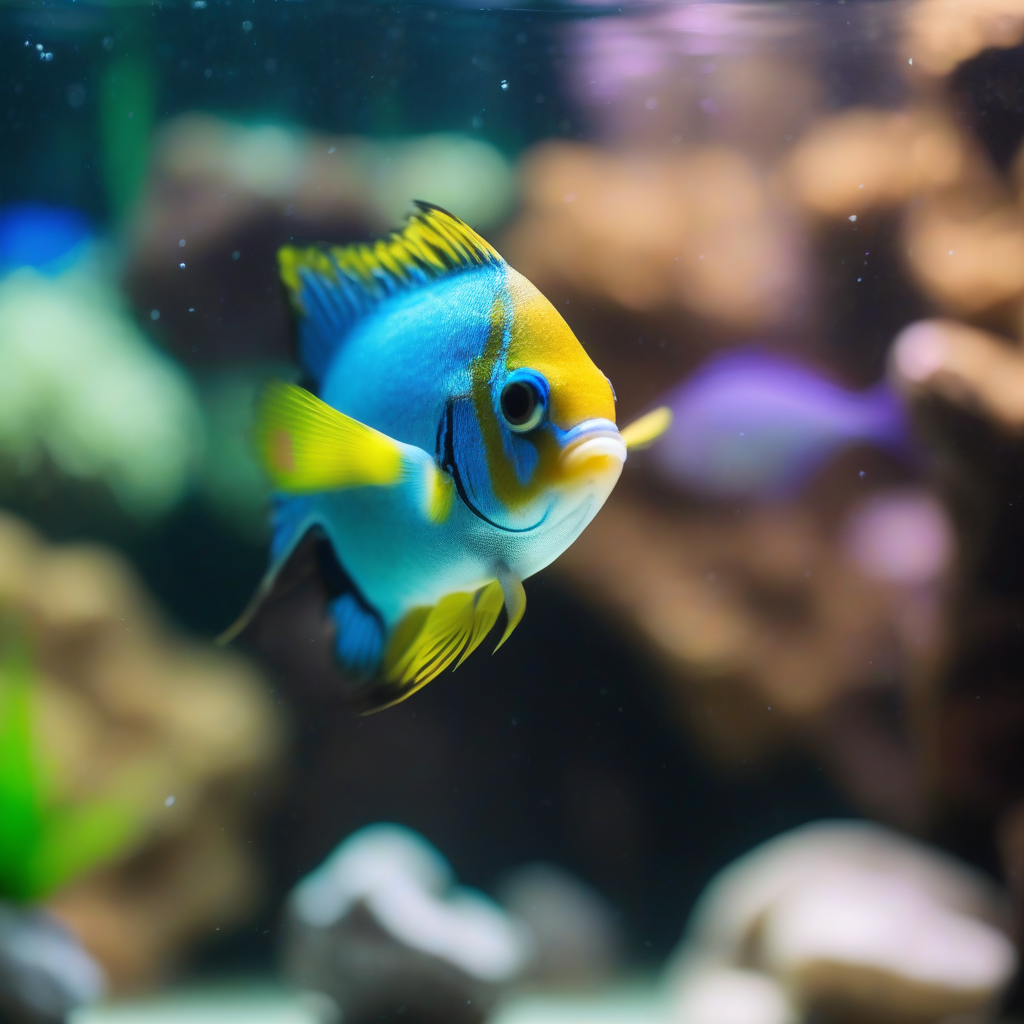
In this article, you will find comprehensive information on the insidious neurotoxic effects of heavy metal poisoning in aquarium fish, its symptoms, and lifesaving emergency intervention codes. This condition, which can arise from household water sources, improper equipment, or neglect, can severely threaten your fish's quality of life and lifespan.
As of March 2026, our understanding of aquarium fish health and well-being continues to deepen. We are now moving beyond merely providing "clean water" to understanding the long-term, insidious effects of water parameters on fish physiology, especially their immune systems. While many of us routinely check ammonia, nitrite, and nitrate levels in our aquariums, we often overlook that these compounds don't just cause sudden deaths at high concentrations, but also weaken the fish's 'invisible defense shield' even at much lower levels. In this article, we will delve into how these "silent killers" sabotage your fish's immune system and how you can scientifically strengthen their disease resistance.
The nitrogen cycle, a cornerstone of the aquarium ecosystem, begins with ammonia (NH3) originating from fish waste, uneaten food, and decaying plant matter. This highly toxic compound is converted by nitrifying bacteria into less toxic nitrite (NO2-) and then into relatively less harmful nitrate (NO3-). However, "less toxic" does not mean "harmless." Each of these compounds poses a serious threat to fish, especially concerning the immune system.
Ammonia is readily absorbed by the gills and other tissues of fish. When accumulated in the body, it disrupts enzymatic reactions, affects the nervous system, and inhibits cellular energy production. Its most insidious effect is that even prolonged exposure to low levels can trigger the fish's stress response, causing stress hormones like cortisol to remain chronically elevated. This suppresses the function of immune cells and leaves fish vulnerable to diseases.
When nitrite enters the bloodstream, it leads to the formation of methemoglobin, which impairs hemoglobin's ability to transport oxygen. This causes a condition in fish similar to anemia, known as 'brown blood disease.' Chronic oxygen deficiency lowers fish's energy levels and reduces their resistance to stress. The immune system cannot function properly without adequate oxygen, severely limiting its capacity to fight pathogens. This physiological disturbance, when combined with other physiological stressors like those discussed in Your Fish's 'Invisible Swim Bladder Stabilizer': 5 Insidious Physiological Causes of Swim Bladder Disorders and Scientific Prevention Secrets!, can further exacerbate the fish's overall health.
Although nitrate is less toxic than ammonia and nitrite, high and prolonged concentrations cause chronic stress in fish. Chronic stress increases cortisol secretion, which continuously suppresses the immune system. Research indicates that high nitrate levels reduce growth rates, decrease reproductive success, and significantly weaken disease resistance. As fish are under constant defense, they become easy targets for pathogens.
These nitrogenous compounds affect the fish's immune system through various, interconnected pathways:
Chronic stress induced by ammonia, nitrite, and nitrate leads to sustained high levels of glucocorticoid hormones like cortisol. These hormones suppress inflammatory responses and lymphocyte production, thereby weakening both adaptive and innate immune responses in fish.
The mucosal barrier of fish (the mucus layer on skin, gills, and intestines) is the first line of defense against pathogens. Toxic nitrogen compounds irritate and damage this delicate barrier, facilitating the entry of bacteria, viruses, and parasites into the body. A damaged mucosal barrier can also trigger skin problems, similar to those explored in Your Fish's 'Invisible Scars': The Insidious Effects of Microbiological Threats in Aquariums on Skin Health and 5 Scientific Protection Shields!.
Prolonged exposure can lead to damage in vital organs such as the liver, kidneys, and gills. Since these organs are crucial parts of the immune system, their dysfunction reduces overall defensive capacity. A weakened immune system and damaged tissues make fish more susceptible to secondary bacterial or fungal infections.
To strengthen your fish's immune system and protect them from the insidious effects of nitrogen compounds, scientifically proven strategies are available:
The first step to understanding the nitrogen cycle is regularly testing ammonia, nitrite, and nitrate levels. Weekly tests and regular water changes of 25-50% are the most effective ways to prevent nitrate buildup and dilute other toxins. Careful water changes also prevent mineral balance issues, such as those discussed in Your Fish's 'Invisible Calcification': The Insidious Threat in Aquarium Waters and Mineral Balance Secrets!.
An efficient biological filter fundamentally improves aquarium water quality by rapidly converting ammonia and nitrite into nitrate. Regularly cleaning filter media (being careful not to kill the beneficial bacteria) and providing sufficient surface area support the development of beneficial bacterial colonies. Adding bacterial cultures during new aquarium setups or after filter maintenance helps the cycle establish quickly.
Gut health is crucial for a fish's overall immunity. High-quality foods containing probiotics and prebiotics support the gut microbiome, improve digestion, and enhance resistance against pathogens. A robust gut microbiome modulates the immune system in fish, just as it does in terrestrial animals. This nutritional approach is also beneficial for addressing issues like those in Your Fish's 'Hidden Energy Crisis': 5 Invisible Behavioral Disorders Triggered by Insufficient Carbohydrates and Fiber and Scientific Solutions!.
Stress is one of the biggest enemies of the immune system. Providing adequate hiding spots, appropriate lighting cycles, and species-specific social structures in the aquarium minimizes stress. It's essential to avoid overcrowding and refrain from housing aggressive species together. The article Your Fish's 'Secret Light Symphony': The Scientific Effects of Aquarium Lighting on Circadian Rhythms, Stress, and Colors! offers valuable insights into the effects of environmental factors on stress.
Water quality isn't limited to nitrogen compounds; minerals and trace elements are also vital for fish health. Correct pH, hardness (GH/KH), and a balance of essential minerals support physiological processes and optimize immune functions in fish. Ensure the water used for changes has appropriate parameters and use mineral supplements if necessary. For more information on this, you can refer to the article Your Fish's 'Unknown Calcium Crisis': Insidious Risks Threatening Bone Health and 5 Lifesaving Care Secrets from Experts!.
Conclusion
Ensuring your fish remain healthy and resilient involves more than just solving visible problems. Understanding the insidious effects of ammonia, nitrite, and nitrate in the aquarium on their immune systems and taking proactive measures is fundamental for long-term well-being. By implementing the scientific strategies above, you can strengthen your fish's 'invisible defense shield' and make them much more resistant to diseases. Remember, a healthy aquarium ecosystem is the key to happy and long-lived fish.
