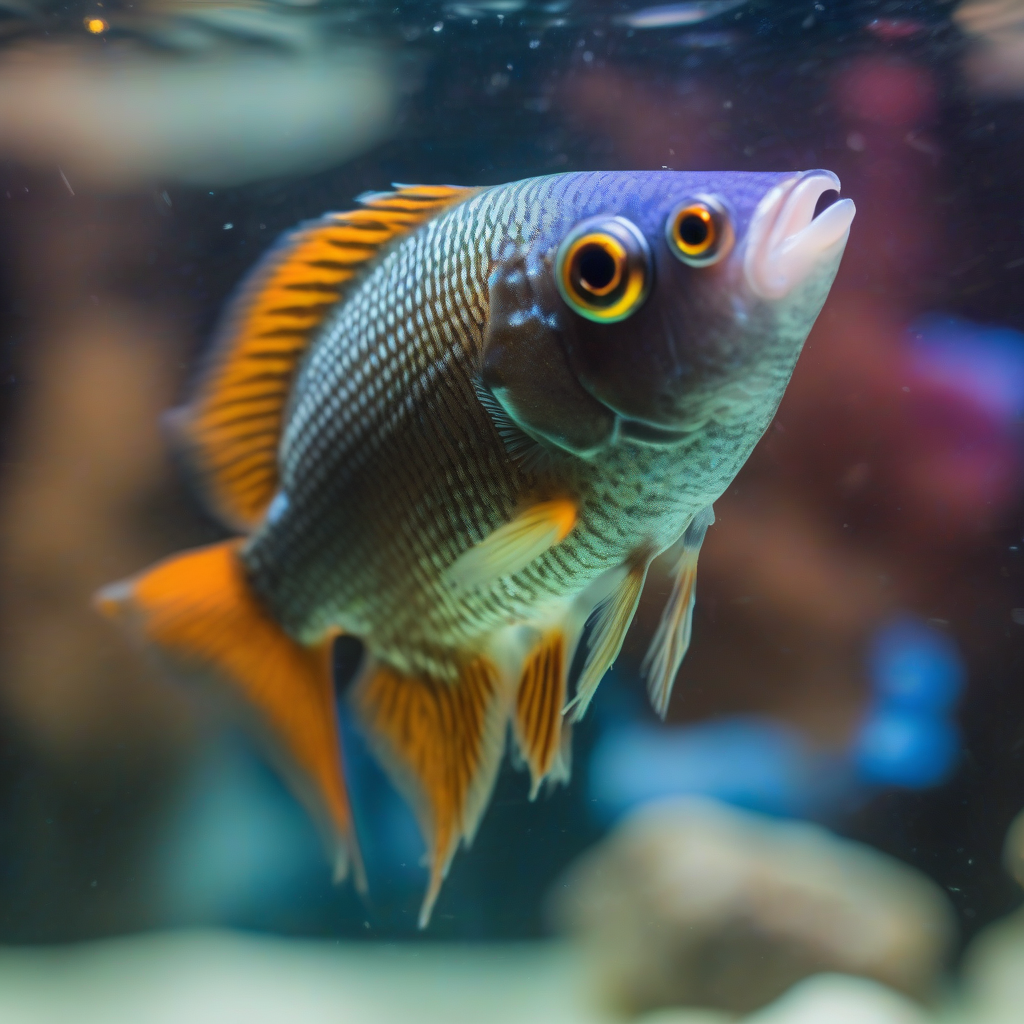
How do insidious temperature fluctuations threaten your fish's health? In this article, discover 5 invisible physiological effects and lifesaving scientific stabilization secrets.

Aquarium fish rely on an incredibly delicate environmental balance to survive. Alongside fundamental factors like water quality, nutrition, and habitat, aquarium temperature is vital for their well-being and survival. However, many aquarists are unaware of the 'insidious thermal fluctuations'—small yet often overlooked temperature changes that can be deadly. These invisible fluctuations can have devastating effects on your fish's physiology, leading to serious long-term health problems and even sudden death.
As of April 2026, modern veterinary and aquarist science has illuminated the complex biological mechanisms behind these thermal shocks. In this article, we will explain why your fish needs a precise thermal balance, reveal 5 invisible physiological effects caused by temperature fluctuations, and provide scientifically based stabilization strategies to mitigate these threats. Acquiring this knowledge will be a critical turning point in your aquarist journey, ensuring your fish live healthy and happy lives.
Fish are poikilothermic (cold-blooded) creatures, meaning their body temperature adjusts to that of their environment. This implies that even the slightest change in external temperature directly affects their internal metabolic processes. While homeothermic creatures like humans and other mammals expend energy to maintain a constant internal temperature, fish have limited adaptation capabilities. Therefore, sudden or frequent fluctuations in aquarium water temperature pose a severe threat to fish, leading to chronic stress, organ dysfunction, and a weakened immune system. Factors such as a malfunctioning aquarium heater, changes in room temperature, or large water changes with cold water can trigger these 'insidious' fluctuations.
While you often observe signs of thermal stress in your fish through behavioral changes, the real devastation occurs invisibly at the cellular and organ level.
Temperature directly influences the metabolic rate of fish. Fluctuations outside the ideal temperature range disrupt the optimal operating conditions for enzymes. Sudden cooling slows metabolism, while sudden warming accelerates it. This affects the fish's digestion, nutrient absorption, and growth rate, leading to energy depletion. Chronic metabolic stress reduces the fish's overall condition and makes them vulnerable to other health problems. These physiological triggers can even lead to sudden death. For more information on physiological deterioration and sudden death risks in fish, you can explore the article "Your Fish's 'Invisible Blood Clot': 5 Insidious Physiological Triggers of Sudden Death Risk and Lifesaving Scientific Emergency Interventions!".
Temperature fluctuations increase the release of stress hormone cortisol in fish. High cortisol levels suppress the immune system, making fish more susceptible to diseases and parasites. This creates an environment for existing pathogens in the aquarium to multiply rapidly, leading to disease outbreaks. White spot disease (Ich), fungal infections, and bacterial infections are among the most common problems triggered by temperature stress. To understand the importance of the immune system and the effects of water quality, please read our article "Your Fish's 'Invisible Defense Shield': Insidious Effects of Ammonia, Nitrite, and Nitrate on the Immune System and 5 Scientific Strategies to Boost Disease Resistance!".
The temperature of water directly affects the amount of dissolved oxygen it contains. The warmer the water, the less oxygen it can hold. Sudden temperature increases boost the fish's metabolic rate while simultaneously reducing the available oxygen. This dual effect leads to severe respiratory stress in fish. Fish may start breathing rapidly, gasping for air at the water surface, or congregating near the filter output. Prolonged oxygen scarcity can cause gill damage and death. For critical intervention methods in cases of sudden breathlessness, refer to our content "Your Fish's 'Hidden Respiratory Crises': 5 Critical Lifesaving Scientific Interventions for Sudden Breathlessness in the Aquarium!".
Fish brain functions and nervous systems are highly sensitive to temperature changes. Extreme temperature fluctuations can disrupt neurotransmitter balance, leading to behavioral abnormalities such as disorientation, loss of balance, muscle twitching, lethargy, or hyperactivity. This neurological stress negatively impacts the fish's normal social interactions, feeding behaviors, and ability to explore its environment. Understanding the subtle signals in your fish's aquarium is crucial for early diagnosis of such behavioral issues. For more information, read the article "Your Fish's 'Secret Art of Communication': Understanding 5 Insidious Aquarium Signals and Unlocking Behavioral Training Potential!".
The reproductive cycle of many fish species is closely linked to temperature changes. Suboptimal or fluctuating temperatures can affect the secretion of reproductive hormones, disrupting egg development, sperm production, and spawning behaviors. This can lead to reproductive failure, reduced hatching rates, and the appearance of deformed fry. Given the importance of reproduction for aquarists, stable temperature is indispensable for a healthy reproductive cycle.
Implementing proactive and scientifically based strategies is essential to prevent thermal fluctuations that threaten your fish's health:
Choose a high-quality, precise thermostat heater with appropriate wattage for your aquarium size. Place the heater in an area with good water circulation (e.g., near the filter outlet) so that heat is evenly distributed throughout the aquarium. Using multiple heaters improves heat distribution in large aquariums and provides backup in case one malfunctions.
Avoid positioning the aquarium in direct sunlight or areas exposed to drafts, such as near doors or windows. Maintaining a stable room temperature as much as possible will minimize temperature changes in the aquarium. In extremely hot weather, consider using aquarium cooling fans or chiller devices.
During water changes, the temperature of the new water added should be as close as possible to that of the aquarium water. Adding water with sudden temperature differences will shock the fish. Adding new water slowly and gradually facilitates fish adaptation.
Insulating the aquarium (especially the back and side panes) with materials like foam boards helps reduce heat loss or gain. Additionally, a well-fitting aquarium lid prevents water evaporation and heat loss, contributing to temperature stability.
Acquire a quality aquarium thermometer and regularly check the water temperature independently of your heater's operation. Digital thermometers are generally more accurate. Periodically calibrate your thermometer or compare it with another reliable thermometer to confirm its accuracy. Always keep a backup thermometer in case of doubt.
Thermal stability is a fundamental care element that should not be overlooked for the long-term health and well-being of your fish. By implementing these scientific strategies, you can create a safe and stable habitat for your fish in your aquarium, eliminating the invisible threat of 'insidious thermal fluctuations'.

Discover the types of burns your dog can suffer, the 5 insidious neurophysiological effects these burns create in the brain and body, and lifesaving emergency intervention strategies in this comprehensive guide. We shed light on the dangers behind forgotten household accidents from a scientific perspective.

Discover the neurobiological signals of hidden stress your newly adopted cat experiences during adaptation to a new social environment. This article reveals 5 insidious signs of your cat's silent struggle and scientific strategies for peaceful, long-term harmony.

Your dog's anal sacs, located beneath the tail, can be hidden alarm bells often overlooked but profoundly affecting their quality of life. In this article, you will discover the 5 insidious neurobiological effects of anal sac problems on the brain and the lifesaving care secrets you need to know for your furry friend to live a peaceful life.
