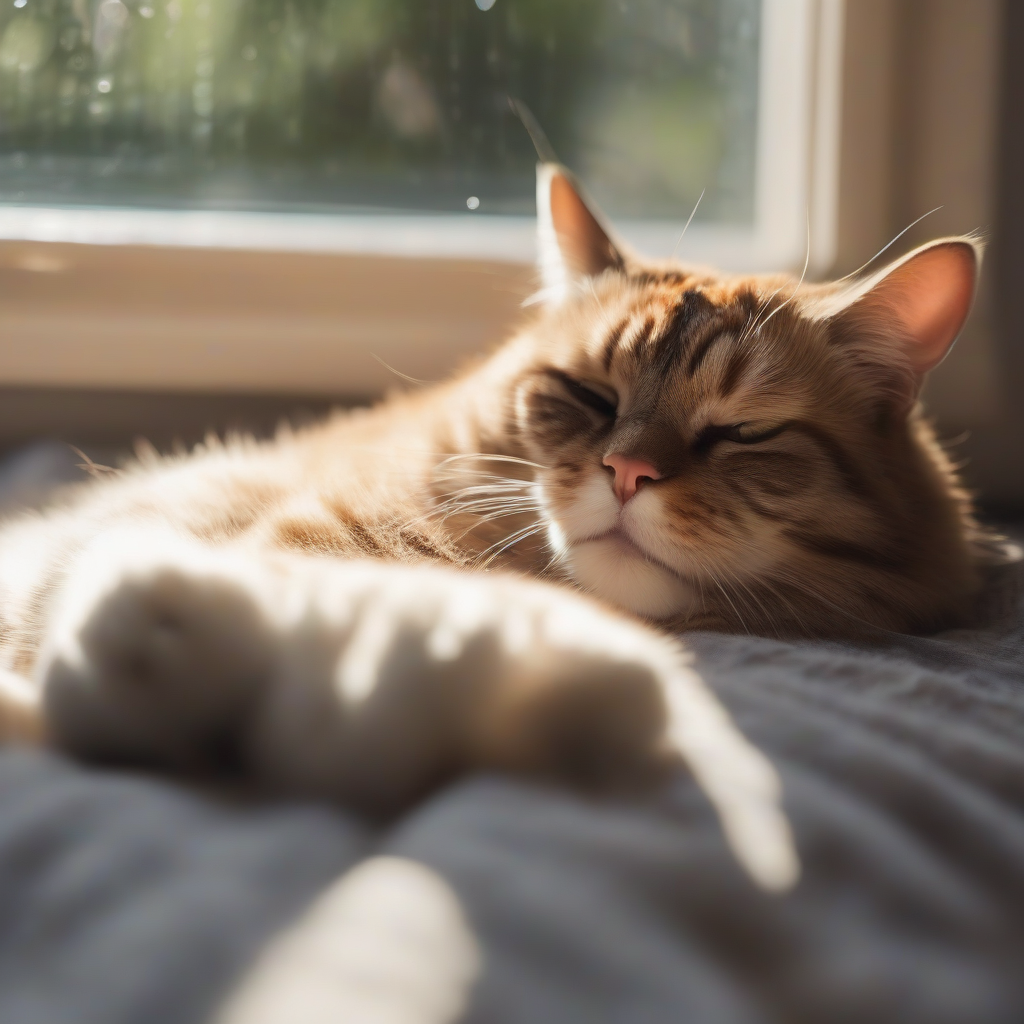
In this article, you will find comprehensive information on exploring your cat's optimal thermal comfort zones at home, and 5 neurocognitive secrets to managing stress and enhancing well-being through micro-climate zones.


Discover the neurobiological signals of hidden stress your newly adopted cat experiences during adaptation to a new social environment. This article reveals 5 insidious signs of your cat's silent struggle and scientific strategies for peaceful, long-term harmony.

Your dog's anal sacs, located beneath the tail, can be hidden alarm bells often overlooked but profoundly affecting their quality of life. In this article, you will discover the 5 insidious neurobiological effects of anal sac problems on the brain and the lifesaving care secrets you need to know for your furry friend to live a peaceful life.
In this article, you will find comprehensive information on the insidious neurotoxic effects of heavy metal poisoning in aquarium fish, its symptoms, and lifesaving emergency intervention codes. This condition, which can arise from household water sources, improper equipment, or neglect, can severely threaten your fish's quality of life and lifespan.
While cats are known for their mysterious nature and independent character, they are in fact in an extremely complex and sensitive relationship with their environment. Even the smallest details in the home environment can profoundly affect their physical and mental well-being. Perhaps the least known of these details is the way cats create their own 'thermal maps' within the home. From a sunny spot by the window to a cool tiled corner, your cat consciously or unconsciously seeks out ideal temperatures and textures. This quest is not just about momentary pleasure; it is a neurocognitive process directly linked to survival instincts inherited from their wild ancestors, energy conservation, and stress management. As of April 2026, the latest advancements in pet science reveal that decoding your cat's hidden thermal map provides not only a comfort zone but also the key to a healthy and happy life.
Cats don't just seek thermal comfort because it 'feels good'; it's a fundamental biological need for survival and energy management. The amount of energy they expend to maintain a stable body temperature varies greatly depending on the ambient temperature. Being in optimal thermal zones reduces metabolic load, allowing them to direct this energy to other important activities such as hunting, playing, or resting.
Domestic cats carry the genetic legacy of their wild ancestors, who originated from hot desert climates. This heritage shapes their ability to distinguish between hot and cool places and to use them strategically. For example, sunbathing is beneficial for vitamin D synthesis and allows them to warm up without expending energy to generate heat. Conversely, an overheated cat spreading out on a cool surface helps to rapidly lose heat by dilating blood vessels. These behavioral thermoregulation mechanisms are how a cat adjusts its 'thermostat' and are directly managed by thermoregulatory centers in their brain.
Thermoreceptors located in a cat's skin perceive temperature changes and transmit this information to the brain via the nervous system. The brain processes this information, triggering the cat's behavioral responses. For example, upon sensing a warm surface, the brain may send a signal for the cat to move away or change its position. At the same time, as mentioned in the article Your Cat's Hidden Spatial Perception: Secret Environmental Obstacles and 5 Scientific Solutions for a Peaceful Habitat, their spatial perception plays a critical role in this thermal quest. Areas where they feel safe and comfortable tend to also be thermally optimal.
A home is not a homogeneous temperature zone for cats. Every room, and even every corner, has its own unique 'micro-climate.' A sunbeam by the window, an area next to a radiator, warm airflow behind the refrigerator, or a cool spot on a tiled floor are all potential micro-climate zones for your cat. Your cat moves between these zones throughout the day for different activities. They might prefer a warmer zone during deep sleep phases, and a more neutral or cooler zone during wakefulness and observation. This is also an important factor in adaptation processes, as discussed in Your Cat's Secret 'Adaptation Diary': 5 Neuroscientific Keys to a Peaceful Transition to a New Home.
Understanding your cat's thermal preferences within the home and optimizing its living space accordingly can significantly impact its overall well-being and stress levels. Here are 5 scientific secrets to help you decode your cat's hidden thermal map and enhance its comfort:
Cats especially love the soft afternoon sunlight. The sun is not only for warmth but also a source of vitamin D and a natural relaxant. Window sills become ideal thermal spots for your cat during the hours when the sun hits them most. By adding blankets, soft beds, or heat-retaining, easy-to-clean surfaces to these areas, you can ensure your cat benefits optimally from this natural heat source. In homes without adequate sun exposure, you can consider additional heaters or heated beds to protect against extreme cold, as discussed in the context of When Your Cat's 'Invisible Heat Compass' Fails.
Since warm air rises, cats can often find warmer spots in elevated areas. Cat trees, wall shelves, or high furniture not only provide a secure observation point but also allow them to benefit from the warmer micro-climates of the house. These elevated areas help your cat feel more secure and reduce stress levels as part of environmental enrichment strategies, such as those detailed in Your Cat's 'Hidden Hunter Arena': Neurocognitive Secrets of Environmental Enrichment at Home and 5 Scientific Strategies to Eliminate Hidden Stress!. When warmth and a sense of security combine, your cat's well-being increases.
While warm spots are important, cats also need areas where they can cool down if they overheat. Especially in summer or in heated homes, cool tiled floors, marble surfaces, or specially designed cooling mats can be a lifesaver. These areas help your cat regulate its body temperature and reduce the risk of heatstroke. Observing your cat's different thermal needs is as crucial as understanding the stress signals mentioned in Your Cat's 'Tail Whispers': Decode Hidden Anxiety Signals and Master the Art of Calmness!.
Cats generally feel safer in enclosed and secluded areas. These areas provide protection from external stimuli and help the cat conserve its body heat more efficiently. 'Safe haven' zones like boxes, igloo-shaped beds, or spaces under furniture meet both your cat's psychological and thermal needs. Placing such areas in quieter, more isolated corners of your home will enhance your cat's privacy and thermal comfort.
Not only temperature, but also humidity and airflow are critically important for your cat's thermal comfort. Excessively humid or dry environments can negatively affect your cat's respiratory health and cause discomfort. Likewise, areas with direct drafts can cause your cat to get cold or even sick. By observing the ventilation and humidity levels in your home, ensure that your cat is not continuously exposed to drafts. If necessary, you can achieve balance with humidifiers or dehumidifiers. Remember, an ideal living space considers all these elements of thermal comfort.
Decoding your cat's hidden thermal map in your home is a scientific way to strengthen your bond and provide the comfort it deserves. With small observations and simple adjustments, you can create a happier, less stressed, and healthier living space for your companion. Pay attention to where your cat stretches out, and where it is at certain times; its silent signals will provide you with the keys to its hidden thermal map.
