
Discover the hidden neurobiological connections in your dog's digestive system and the 5 insidious triggers of Inflammatory Bowel Disease (IBD). Protect your dog's health with life-saving scientific interventions.

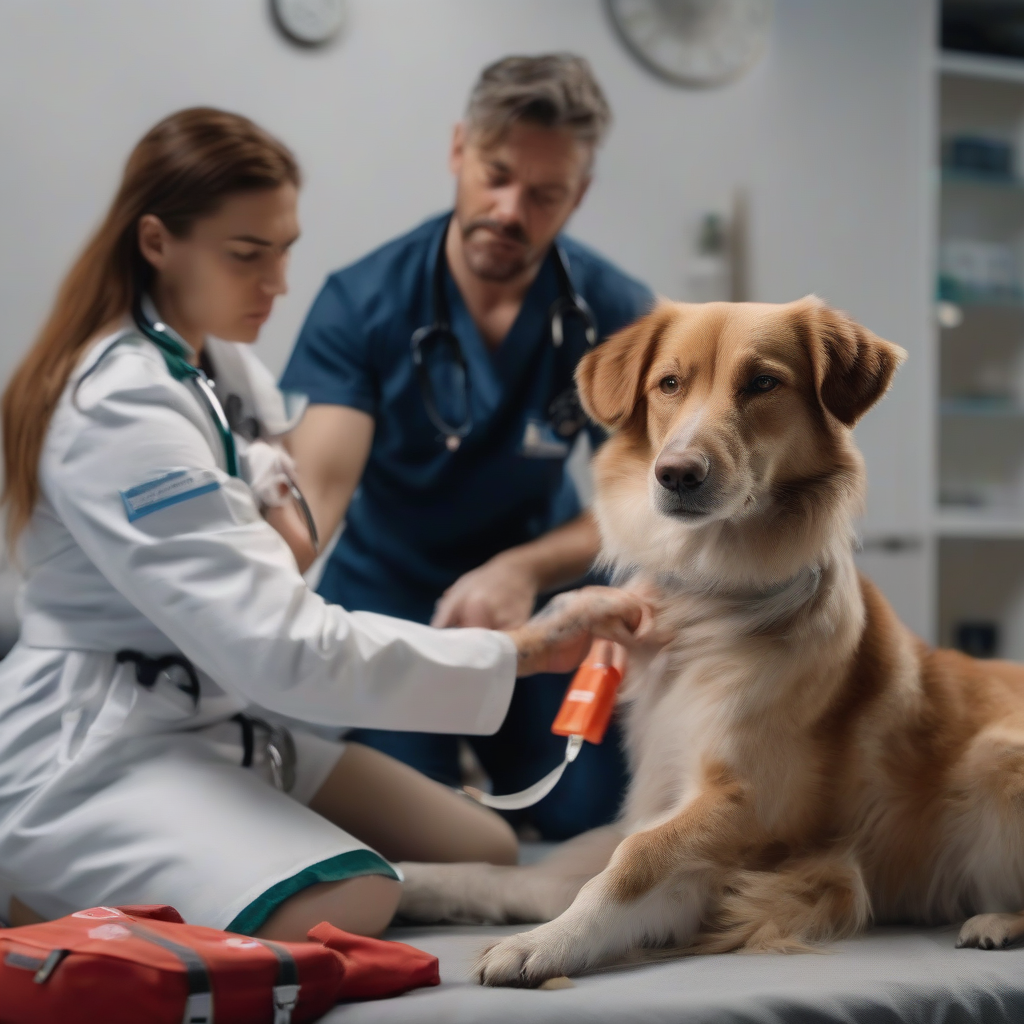
Discover the types of burns your dog can suffer, the 5 insidious neurophysiological effects these burns create in the brain and body, and lifesaving emergency intervention strategies in this comprehensive guide. We shed light on the dangers behind forgotten household accidents from a scientific perspective.

Discover the neurobiological signals of hidden stress your newly adopted cat experiences during adaptation to a new social environment. This article reveals 5 insidious signs of your cat's silent struggle and scientific strategies for peaceful, long-term harmony.

Your dog's anal sacs, located beneath the tail, can be hidden alarm bells often overlooked but profoundly affecting their quality of life. In this article, you will discover the 5 insidious neurobiological effects of anal sac problems on the brain and the lifesaving care secrets you need to know for your furry friend to live a peaceful life.
Did you know that your dog's health is governed by a complex neural network far more intricate than what meets the eye? Specifically, the digestive system doesn't just break down food; it's a vast neural network in constant, complex communication with the brain. When this delicate balance is disrupted, silent and devastating conditions like Inflammatory Bowel Disease (IBD) can emerge. IBD is a chronic inflammation that can lead to severe symptoms in your dog, including recurrent vomiting, diarrhea, abdominal pain, and weight loss. In this article, we will delve into the 5 insidious neurobiological triggers behind IBD and the life-saving scientific interventions for these critical moments.
Did you know that IBD isn't merely a digestive problem but rather a consequence of a complex neurobiological imbalance in the brain-gut axis? This axis encompasses the bidirectional communication between the central nervous system (the brain) and the enteric nervous system (the gut). Stress, dietary habits, environmental factors, and even genetic predisposition can disrupt this delicate balance, leading to inflammation in the gut lining.
Stress in dogs is not just a psychological state; it triggers a physical response. Prolonged stress activates the brain's hypothalamus-pituitary-adrenal (HPA) axis, leading to the release of stress hormones like cortisol. These hormones can increase gut permeability, allowing harmful substances to enter the bloodstream and trigger inflammation. Factors like your dog's constant exposure to loud noises, loneliness, or sudden environmental changes can negatively affect the 'secret body conduction' in their gut.
The composition of commercial dog food plays a significant role in canine nutrition. However, certain ingredients, especially those that are difficult to digest or allergenic, can lead to imbalances in the gut microbiota. For instance, conditions like mineral imbalances in your dog's food bowl or unknown protein sensitivities can trigger a continuous inflammatory process in the gut lining. This is known as 'silent inflammation,' a condition that is difficult to detect in its early stages.
The billions of microorganisms living in our gut (the microbiome) not only aid digestion but also influence our mood and behavior through the brain-gut axis. Disruptions in microbiome balance can affect the production of neurotransmitters (e.g., serotonin), leading to restlessness, anxiety, or depressive behaviors in your dog. Behavioral changes observed in dogs with IBD can be an indicator of this microbiome imbalance. Research on your dog's emotion nutrients further strengthens this connection.
Various environmental toxins found in our homes, such as cleaning agents, pesticides, heavy metals, and even some toys, can pose a significant threat to your dog's health. These toxins can irritate the gut lining and cause inflammation. The liver is the primary organ responsible for detoxifying these toxins. However, excessive toxin load can overwhelm the liver's capacity, triggering digestive issues like IBD.
Certain dog breeds may be genetically more predisposed to IBD. This predisposition can manifest as an overreaction of their immune system against their own gut tissues. This condition can lay the groundwork for the development of IBD as an autoimmune response. These 'hidden misunderstandings' of the immune system can cause chronic inflammation in the gut lining, severely threatening your dog's health. In this context, being vigilant for unexpected health crises like your dog's hidden panic buttons is crucial.
If you notice symptoms such as sudden vomiting, severe diarrhea, loss of appetite, weight loss, or abdominal pain indicating IBD in your dog, seeking immediate veterinary attention is vital.
Protecting your dog's health involves understanding the complex 'secret body conductors' of their body. Understanding the neurobiological origins of IBD can significantly improve your dog's quality of life with early diagnosis and proper intervention. In case of any digestive issues or behavioral changes in your dog, seeking immediate veterinary care is the most important step to ensure they live a long and healthy life.
