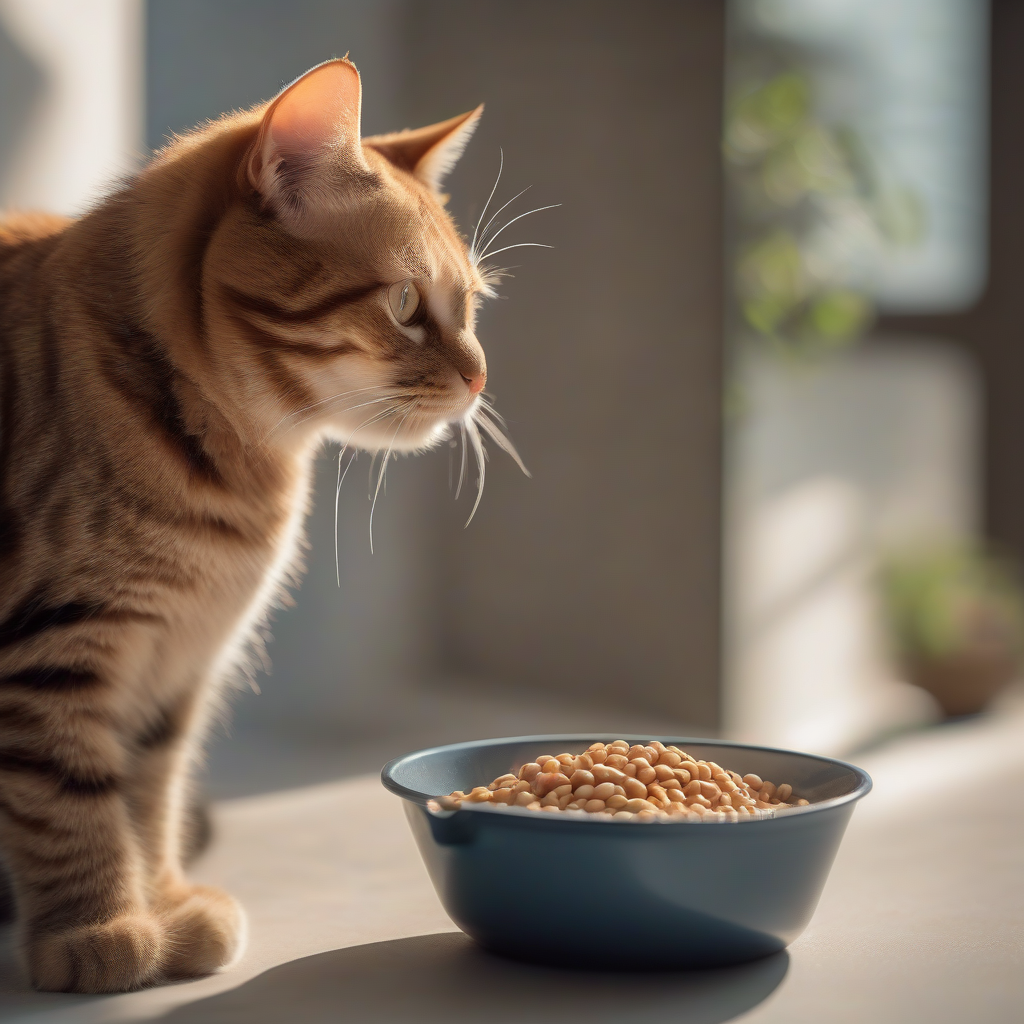
Discover the lesser-known metabolic impacts of protein quality and amino acid balance in your cat's diet on their brain health, mood, and behavior in this in-depth guide. Learn how to optimize your cat's mental and emotional well-being with scientific protocols.


Discover the types of burns your dog can suffer, the 5 insidious neurophysiological effects these burns create in the brain and body, and lifesaving emergency intervention strategies in this comprehensive guide. We shed light on the dangers behind forgotten household accidents from a scientific perspective.

Discover the neurobiological signals of hidden stress your newly adopted cat experiences during adaptation to a new social environment. This article reveals 5 insidious signs of your cat's silent struggle and scientific strategies for peaceful, long-term harmony.

Your dog's anal sacs, located beneath the tail, can be hidden alarm bells often overlooked but profoundly affecting their quality of life. In this article, you will discover the 5 insidious neurobiological effects of anal sac problems on the brain and the lifesaving care secrets you need to know for your furry friend to live a peaceful life.
Cats have evolved as obligate carnivores, and their metabolism is designed for a protein-rich diet. However, a critical detail often overlooked by most cat owners is that simply providing 'enough' protein is not sufficient; the quality of the protein and the balance of amino acids it contains profoundly affect not only your cat's physical health but also its mental and emotional well-being. Your cat's food is not just an energy source; it's the silent conductor of its 'neurocognitive orchestra.' So, what are the hidden metabolic secrets that disrupt or perfect this orchestra's harmony?
In this article, we will shed light on 5 lesser-known metabolic secrets of protein quality and specific amino acids in your cat's diet, scientifically backed, concerning their brain chemistry and behavior. These secrets can influence everything from your cat's mood to its learning capacity, stress management, and social interactions.
In cats, tryptophan is an essential amino acid vital for serotonin production. Serotonin is known as the 'happiness hormone' and regulates your cat's mood, anxiety levels, sleep cycles, and appetite. Insufficient or imbalanced tryptophan intake can negatively affect serotonin synthesis, leading to behavioral problems such as anxiety, aggression, excessive vocalization, or depression-like states in cats. Low-quality protein sources or excessive processing in commercial foods can reduce tryptophan bioavailability, triggering this 'silent conflict.' This balance is critically important for your cat's behavioral stability.
Arginine is another essential amino acid for cats and a critical component of the urea cycle. This cycle ensures the detoxification of toxic ammonia, a byproduct of protein metabolism, from the body. Cats cannot produce enough arginine on their own and must obtain it from their diet. In cases of arginine deficiency, ammonia rapidly accumulates, leading to neurotoxic effects. This can manifest with severe neurological symptoms such as vomiting, lethargy, drooling, muscle tremors, and even seizures. This condition is an emergency that can threaten your cat's life.
Methionine is a sulfur-containing essential amino acid that plays a role in many important metabolic processes in your cat's body. It plays a critical role in the methylation cycle; this cycle is vital for DNA repair, immune system function, and neurotransmitter synthesis. Adequate methionine intake can help slow cognitive decline, especially in aging cats, and support your cat's mental agility. Disruptions in the methylation cycle can have negative effects on the nervous system and impact your cat's learning, memory, and problem-solving abilities.
Taurine deficiency is well-known for causing blindness and heart disease, but for your cat's health, it's not just taurine but a balanced intake of all essential amino acids that is vital. Other essential amino acids like leucine, isoleucine, valine (BCAAs), histidine, lysine, phenylalanine, and threonine are also indispensable for muscle development, immune system, enzyme production, and especially nervous system health. Chronic deficiency or imbalance in any of these amino acids can negatively affect your cat's overall well-being, energy levels, and even its social interactions. This demonstrates that protein quality should be evaluated not just by a single component but as a whole.
Another factor as important as amino acid balance is protein bioavailability. This refers to how efficiently your cat's body can digest and absorb the proteins in its food. Some low-quality protein sources used in commercial foods (e.g., vegetable proteins, by-products like bone meal) or excessively heat-treated proteins can hinder your cat's amino acid absorption. This can lead to insufficient amounts reaching your cat's cells, even if the food theoretically contains adequate amino acids. Poor bioavailability can trigger all the metabolic and neurocognitive 'conflicts' mentioned above. Given the sensitivity of your cat's digestive system, the importance of this situation further increases.
Understanding your cat's 'silent amino acid conflict' and focusing on protein quality profoundly impacts not only its physical health but also its mood, cognitive abilities, and overall happiness. A diet rich in high-quality, animal-based proteins with a balanced amino acid profile ensures your cat's brain functions optimally, enhancing its behavioral stability and quality of life. In light of these scientific secrets, you can transform your cat's food bowl from just a meal into an investment for its mental and emotional health. As always, it is best to consult your veterinarian before making radical changes to your cat's diet.
