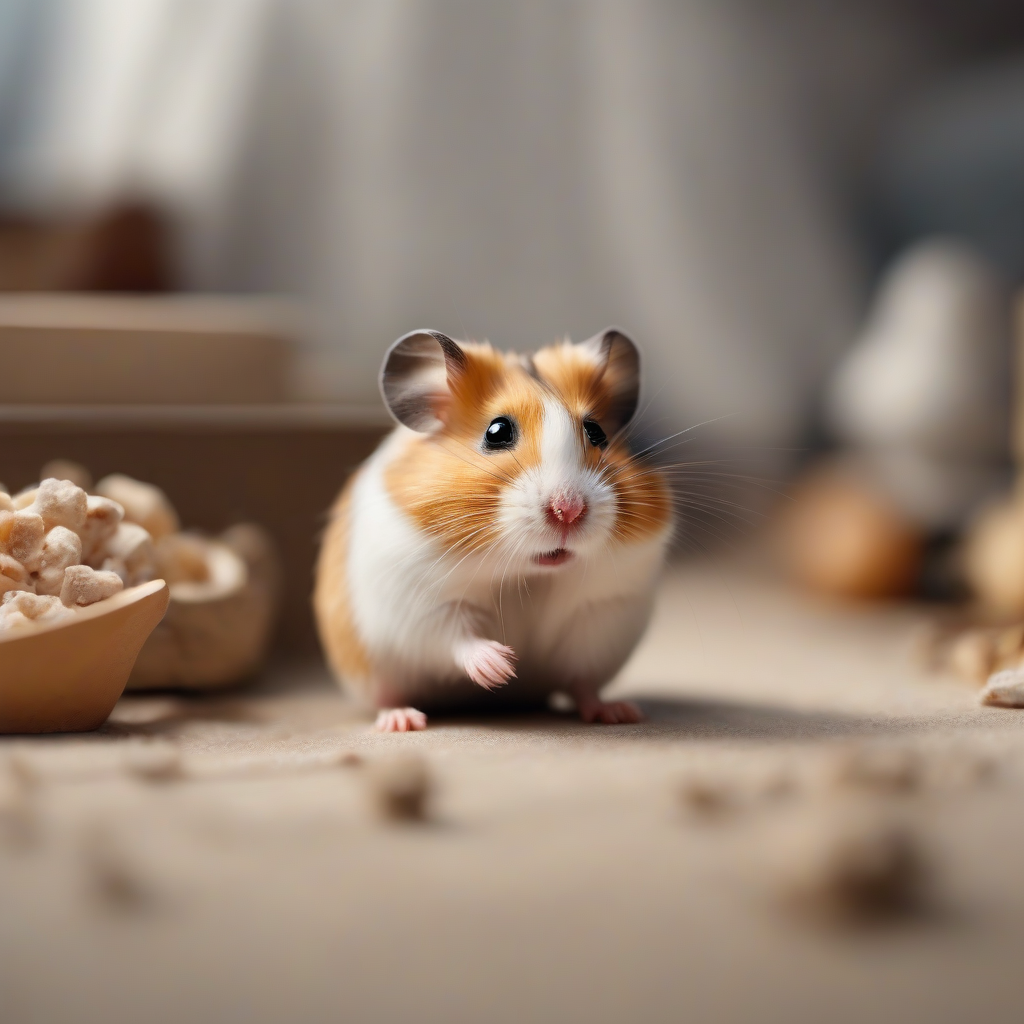
In this article, you will discover how your hamster's diet deeply affects not only its physical health but also its brain chemistry and, consequently, its emotional well-being. We illuminate 5 insidious nutritional secrets and scientific feeding strategies for optimal mood and happiness.


Discover the types of burns your dog can suffer, the 5 insidious neurophysiological effects these burns create in the brain and body, and lifesaving emergency intervention strategies in this comprehensive guide. We shed light on the dangers behind forgotten household accidents from a scientific perspective.

Discover the neurobiological signals of hidden stress your newly adopted cat experiences during adaptation to a new social environment. This article reveals 5 insidious signs of your cat's silent struggle and scientific strategies for peaceful, long-term harmony.

Your dog's anal sacs, located beneath the tail, can be hidden alarm bells often overlooked but profoundly affecting their quality of life. In this article, you will discover the 5 insidious neurobiological effects of anal sac problems on the brain and the lifesaving care secrets you need to know for your furry friend to live a peaceful life.
Within your hamster's tiny body lies a neurobiological world far more complex than you might imagine. Their energy, sleep, desire to play, and even their interactions with you are all dependent on a delicate brain chemistry shaped by every bite they take. While we often focus on general feeding guidelines, there are often overlooked 'hidden happiness components' that profoundly influence your hamster's mood and cognitive functions. In this article, guided by the latest scientific findings as of April 2026, we will delve into 5 insidious nutritional secrets and their neurobiological impacts that you should consider to ensure your hamster's optimal emotional well-being.
Serotonin, often known as the 'happiness hormone,' plays a crucial role in mood, sleep, appetite, and digestion. In hamsters, serotonin levels directly affect stress coping and overall calmness. So, how does your hamster produce this vital neurotransmitter? The answer lies in tryptophan, an essential amino acid. Tryptophan is the primary precursor for serotonin synthesis in the body and must be obtained through the diet for hamsters. Without adequate tryptophan intake, serotonin production drops, which can lead to increased anxiety, restlessness, and aggressive behaviors. Foods rich in tryptophan for small rodents include certain seeds (pumpkin seeds), oats, and quality protein sources (small, measured amounts of boiled egg or chicken). However, the balance of tryptophan in the diet is delicate due to competition with other amino acids. In high-protein diets, tryptophan might struggle to reach the brain. Therefore, a balanced diet where tryptophan can be readily absorbed is crucial.
Research indicates that tryptophan supplementation can reduce stress responses and enhance social interactions in some animals. If you observe sudden behavioral changes in your hamster, excessive fur pulling, or persistent signs of stress, reviewing the balance of tryptophan and other essential amino acids in their diet could be critical. Consult your veterinarian to determine appropriate tryptophan sources and ratios for your hamster's diet. Remember, as mentioned in the article Your Hamster's 'Hidden Digestive Locks': The Neurological Shocks of Diet Changes and 5 Scientific Strategies!, dietary changes should be introduced carefully.
The B-vitamin complex, especially B1 (thiamine), B6 (pyridoxine), and B12 (cobalamin), is indispensable for your hamster's nervous system health and energy metabolism. These vitamins act as cofactors in numerous critical neurological processes, from neurotransmitter synthesis to nerve fiber protection. A deficiency in B vitamins can lead to nervous dysfunction, lethargy, loss of appetite, and even neurological disorders. If your hamster consistently appears tired, depressed, or uncoordinated, a B vitamin deficiency might be at the root. Whole grains, leafy green vegetables, and some seeds are rich sources of B vitamins.
Optimal B vitamin levels directly influence your hamster's learning ability, problem-solving skills, and physical activity level. For instance, the benefits of mental stimulation exercises like those discussed in Your Hamster's Hidden 'Problem-Solving Intelligence': 5 Neurocognitive Strategies to Trigger Mental Development with In-Cage Puzzles! are fully realized only with a well-nourished nervous system. In cases of B vitamin deficiency, you might notice your hamster becoming disinterested in its surroundings or experiencing a decline in motor skills.
Magnesium is a vital mineral involved in over 300 enzymatic reactions in the body, including muscle and nerve function, blood glucose control, and blood pressure regulation. From a neurological perspective, magnesium acts as an NMDA receptor antagonist, meaning it prevents over-excitability and calms nerve cells. Magnesium deficiency can lead to increased anxiety, muscle twitching, restlessness, and sleep disturbances in hamsters. Leafy green vegetables, almonds (in very small, cautious amounts), pumpkin seeds, and whole grains are good sources of magnesium.
Adequate magnesium intake can enhance your hamster's ability to cope with stress and promote deeper, more restful sleep. This is crucial for overall mood and energy levels. As explored in depth in Your Hamster's 'Hidden Sleep Architects': 5 Neurobiological Secrets of Optimal Circadian Rhythms and Stress-Free Rest for Longevity!, quality sleep is fundamental to well-being, and magnesium plays a significant role in achieving this balance.
Omega-3 fatty acids, especially DHA (docosahexaenoic acid) and EPA (eicosapentaenoic acid), are essential building blocks of brain cell membranes and optimize communication between neurons. In hamsters, omega-3s are vital for cognitive function, learning ability, and mood regulation. Research suggests that omega-3 deficiency can be linked to depressive behaviors and learning difficulties. Incorporating flaxseed, chia seeds (ground and in small quantities), or fish oil (under veterinary supervision) into your hamster's diet can increase the intake of these valuable fatty acids.
Optimal omega-3 levels help your hamster adapt better to its environment, learn new things more easily, and experience fewer emotional fluctuations. As previously mentioned, the article Your Hamster's 'Hidden Brain Fuel': 5 Unknown Neurometabolic Secrets of Omega-3 Fatty Acids and a Guide to Optimal Mental Agility! provides a deeper dive into this topic. These fatty acids enhance neuronal communication by increasing the flexibility of brain cells, supporting overall mental health.
Hamsters' digestive system is critically important for their overall health, and the amount of fiber in their diet is fundamental to this system. Adequate fiber intake not only ensures digestive motility but also supports the health of the gut microbiome (gut flora). The gut microbiome is where many neuroactive compounds, including serotonin, are produced. This complex communication pathway, known as the 'gut-brain axis,' reveals the direct impact of gut health on mood and behavior. Insufficient fiber can lead to microbiome imbalance, increasing stress and anxiety.
Providing high-quality, varied fiber sources in your hamster's diet promotes a healthy gut microbiome, which in turn can help it be calmer, happier, and more balanced. Besides pellet feed, timothy hay, oats, and raw vegetables are important in this regard. The article Hamster Food Mysteries: 5 Unknown Fiber Secrets and Ways to Become a Digestive Champion! offers more information on the importance of fiber. An optimal gut microbiome not only affects digestion but also the immune system and thus overall well-being. Being aware of these 'hidden happiness components' and optimizing your hamster's diet according to scientific principles will help them lead a longer, healthier, and happier life. As always, consulting your veterinarian before making any dietary changes is the best course of action.
