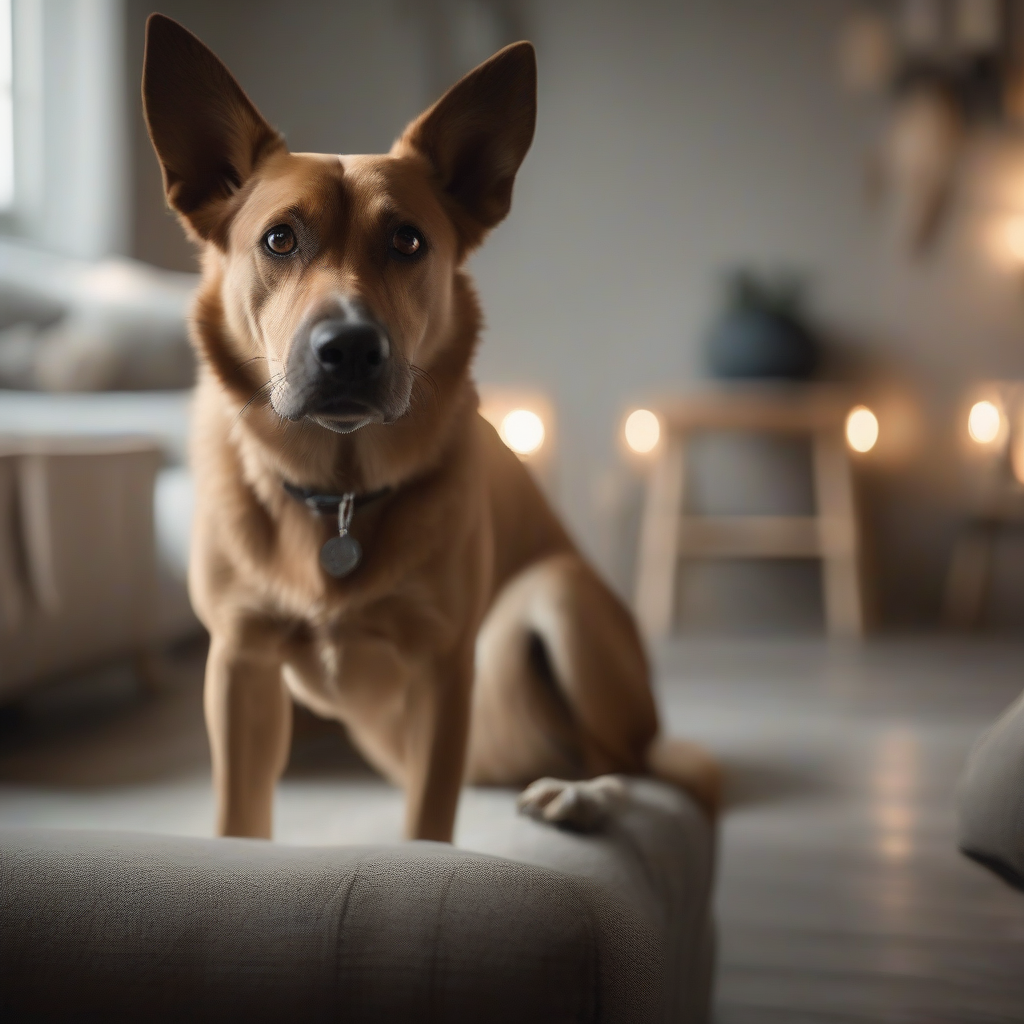
In this article, you can find comprehensive information on how to develop your dog's patience circuits, the neurocognitive foundations of learning to wait, and effective scientific training strategies for this.


Discover the types of burns your dog can suffer, the 5 insidious neurophysiological effects these burns create in the brain and body, and lifesaving emergency intervention strategies in this comprehensive guide. We shed light on the dangers behind forgotten household accidents from a scientific perspective.

Discover the neurobiological signals of hidden stress your newly adopted cat experiences during adaptation to a new social environment. This article reveals 5 insidious signs of your cat's silent struggle and scientific strategies for peaceful, long-term harmony.

Your dog's anal sacs, located beneath the tail, can be hidden alarm bells often overlooked but profoundly affecting their quality of life. In this article, you will discover the 5 insidious neurobiological effects of anal sac problems on the brain and the lifesaving care secrets you need to know for your furry friend to live a peaceful life.
Dogs are naturally social and eager to learn. However, learning certain basic behaviors, especially skills requiring patience like 'waiting,' necessitates a consistent and scientifically-based training process. To understand why your dog suddenly gets excited, why they don't respond immediately to commands, or why they become impatient, it's crucial to examine the 'patience circuits' in their brains. In this article, we will delve into the 5 neurocognitive keys to increasing your dog's patience capacity and the scientific training strategies that will guide you on this path.
Patience in dogs is directly linked to the timing of rewards. Receiving a reward immediately after completing a command activates reward centers in the brain, such as those releasing dopamine and oxytocin. However, patience training begins with providing the reward after a delay. This delay creates anticipation in the dog's brain and encourages them to overcome impatience. The reward the dog receives while waiting for the command helps them associate the act of 'waiting' with a positive experience. This underscores the importance of reward mechanisms in the context of patience, as highlighted in our article Your Dog's Secret 'Reward Circuits' in the Brain: 5 Neurological Secrets to Reprogramming Behaviors with Positive Reinforcement!.
Dogs are highly sensitive to stimuli in their environment. One of the primary reasons for impatience is overstimulation or a state of heightened anticipation. For instance, the doorbell ringing can excite a dog, leading them to rush towards the door before hearing a 'wait' command. To manage this, controlled stimulus reduction techniques are employed. Training your dog by exposing them to external stimuli (doorbell sounds, ringing) but not allowing them to react immediately helps develop their patience muscles. This is an extension of building tolerance to noise, as discussed in articles like Your Dog's 'Hidden Sound Labyrinth': 5 Insidious Neurobiological Effects of Household Noise Pollution and Scientific Solutions for Restoring Calmness!.
Dogs are adept at reading their owners' emotional states and social cues. If you issue commands patiently and calmly, your dog will be more inclined to mimic this behavior. Patience training is a reflection of your communication with your dog. Your dog making eye contact and waiting for your signal demonstrates this ability to read social cues. As also mentioned in our article Your Dog's 'Empathy Algorithm': 5 Hidden Neurobiological Secrets to Mirroring Your Emotional State and Scientific Ways to Deepen Your Bond!, dogs' social intelligence plays a critical role in patience training.
Patience is not just a matter of impulse control; it is also a cognitive skill. Enabling your dog to shift their focus from distractions to the 'wait' command develops their cognitive flexibility. This requires strengthening neural networks in the prefrontal lobes of the brain, which manage functions such as planning and impulse control. Your dog's ability to maintain composure in challenging situations is a result of this cognitive flexibility. Topics like Your Dog's 'Secret Arrogant Delay Syndrome': Why Isn't It Obeying Immediately? 5 Insidious Neurocognitive Reasons and Scientific Solutions for Building Patience! help in understanding these cognitive processes.
Patience is a behavior that is reinforced over time and with repeated positive reinforcement. Rewarding your dog every time they exhibit patience (e.g., sitting and waiting before reaching for their food bowl) strengthens this behavior. The 'patience memories' formed in the dog's brain help them respond appropriately when faced with similar situations. This is a process that involves both short-term and long-term memory.
Increasing your dog's patience level will strengthen your bond and help you overcome many challenges in your daily life. Remember, patience is like a muscle; it strengthens with regular and correct training. Being patient during this process will encourage your dog to be patient as well.
Other articles you might find interesting:
