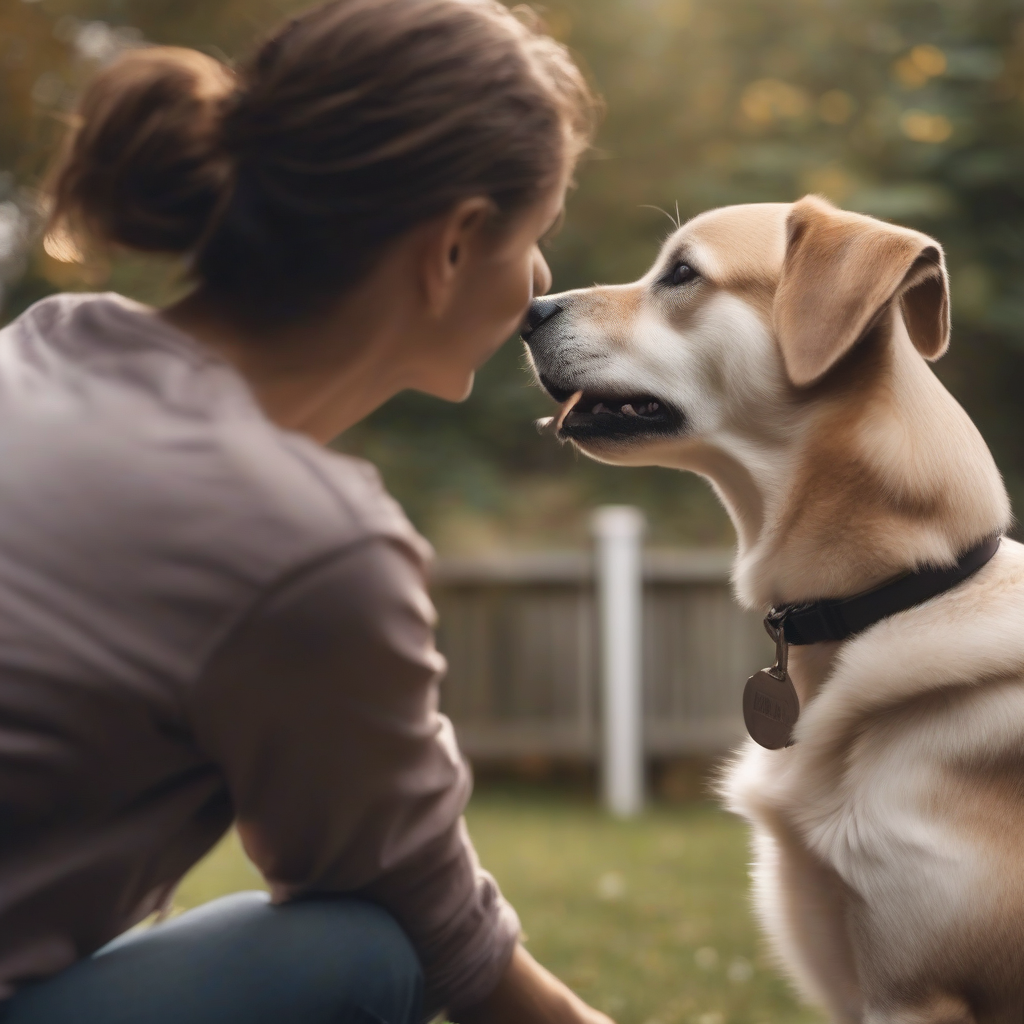
In this article, you will find comprehensive information on how your dog perceives and mirrors your emotional state through mirror neurons, uncovering these mysterious neurobiological secrets and learning scientific methods to strengthen the bond between you.


Discover the types of burns your dog can suffer, the 5 insidious neurophysiological effects these burns create in the brain and body, and lifesaving emergency intervention strategies in this comprehensive guide. We shed light on the dangers behind forgotten household accidents from a scientific perspective.

Discover the neurobiological signals of hidden stress your newly adopted cat experiences during adaptation to a new social environment. This article reveals 5 insidious signs of your cat's silent struggle and scientific strategies for peaceful, long-term harmony.

Your dog's anal sacs, located beneath the tail, can be hidden alarm bells often overlooked but profoundly affecting their quality of life. In this article, you will discover the 5 insidious neurobiological effects of anal sac problems on the brain and the lifesaving care secrets you need to know for your furry friend to live a peaceful life.
The profound bond between dogs and humans is a product of centuries of evolution. At the heart of this relationship lie neurobiological mechanisms far more complex than a simple exchange of affection. So, how does your dog understand what you're feeling, and sometimes even 'copy' it? The answer lies in the mysterious 'mirror neuron' system within their brains. In April 2026, we unveil this scientific mystery, decode your dog's 'Empathy Algorithm,' and explore ways to elevate your bond to a deeper level.
Mirror neurons are specialized brain cells that activate when an individual observes a specific action or performs that action themselves. In humans, they are known to play a critical role in empathy, imitation, and learning processes. In dogs, there is strong evidence for the existence of this neuron system as well. When a dog observes an action or emotional expression of its owner, similar neural pathways activate in its own brain, indicating that they not only observe but also 'internalize' that experience. This forms the basis of their social learning abilities and, particularly, their empathetic bond with humans.
Your dog's ability to mirror your emotional state is one of the most striking effects of mirror neurons. Research suggests that when owners are stressed or tense, dogs show an increase in cortisol levels, while dogs relax when their owners are calm and peaceful. This is a result of 'emotional contagion' occurring via mirror neurons. Your dog can process cues from your facial expressions, tone of voice, and body language, developing a similar emotional response. Therefore, it's important to be aware of your own emotional state when interacting with your dog.
Mirror neurons enable dogs to imitate not only emotional states but also behaviors. Especially during the socialization process as puppies, they learn by copying behaviors observed from their mothers or other dogs. When living with humans, they can imitate our routines, commands, and even some small habits. This 'observational learning' plays a central role in their training and acquisition of new skills. Supported by positive reinforcement, this imitative ability is a powerful way to reprogram behaviors.
The canine mirror neuron system forms the neurobiological foundation of the deep social bond they form with humans. Making eye contact is a strong indicator of a dog's attempt to bond with you and emotionally align with you. By processing your loving gazes or calm gestures in their brains, they activate reward circuits, which can lead to the release of oxytocin – the 'love hormone' known to strengthen bonding. This reciprocal interaction is an important part of your dog's social intelligence.
Dogs are highly sensitive not only to human emotional cues but also to the general 'emotional atmosphere' of their environment. Mirror neurons help them perceive and react to environmental stimuli, such as the effects of household noise pollution or tense moments between family members. Calmness or chaos in a home can directly influence your dog's behavioral and physiological state. This demonstrates their adaptability and also how dependent they are on environmental factors.
One of the most impressive aspects of mirror neurons is that they demonstrate that the owner-dog relationship is not one-sided. Dogs not only imitate us, but they also enable us to mirror their behaviors and emotional states. For example, when you joyfully play with your dog or comfort them with stress-reducing grooming, this interaction can activate similar reward pathways in your brain. This reciprocal mirroring and interaction loop continuously strengthens your relationship and creates a kind of shared 'emotional resonance.'
Now that we understand your dog's empathy algorithm, how can we use this knowledge to consciously strengthen your bond?
Your dog's mirror neurons are not just a scientific detail; they are the key to the deep and unique bond it forms with you. Understanding these secrets allows you to better comprehend your dog's world and consciously build your relationship on scientific foundations. Remember, your dog's mood is largely a mirror of your own.
