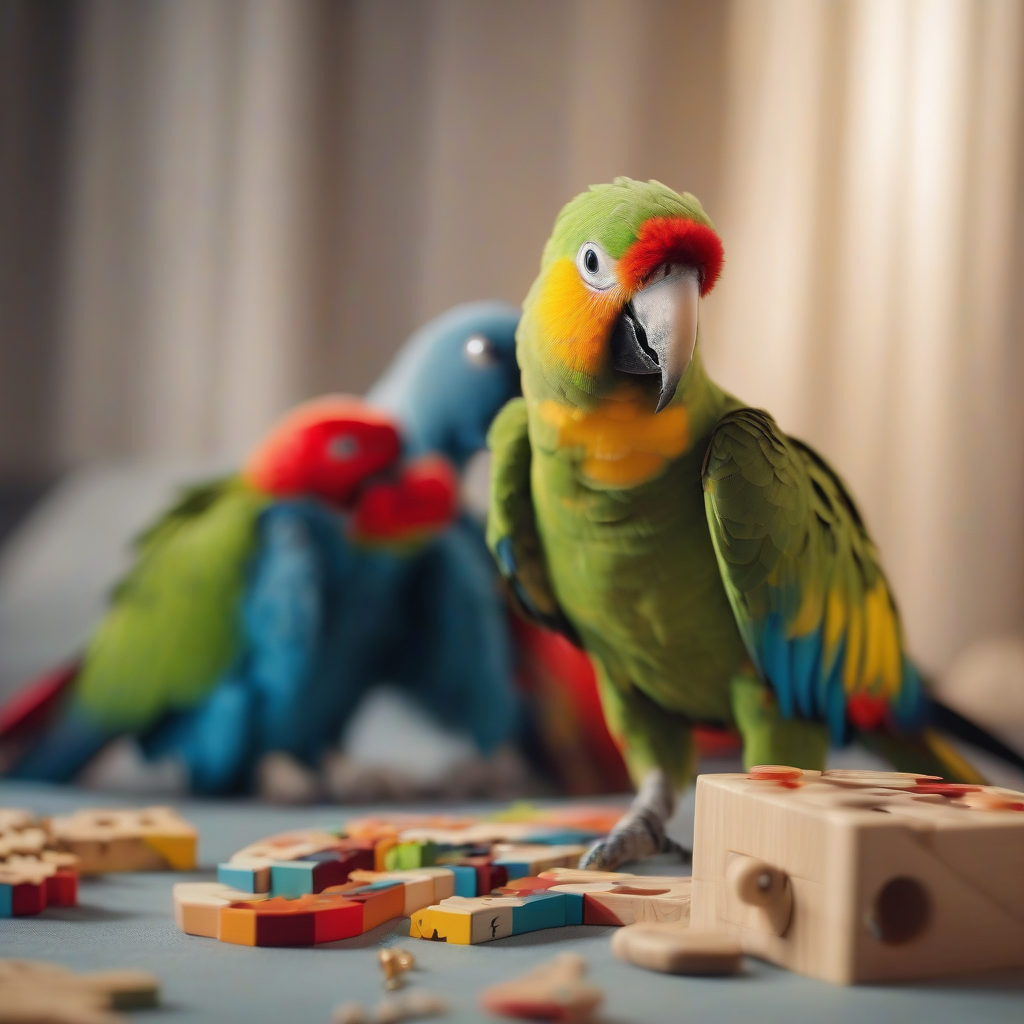
In this article, you will find the neurocognitive mechanisms behind your bird's need for play and mental stimulation, and scientific secrets to enhance their well-being.


Discover the types of burns your dog can suffer, the 5 insidious neurophysiological effects these burns create in the brain and body, and lifesaving emergency intervention strategies in this comprehensive guide. We shed light on the dangers behind forgotten household accidents from a scientific perspective.

Discover the neurobiological signals of hidden stress your newly adopted cat experiences during adaptation to a new social environment. This article reveals 5 insidious signs of your cat's silent struggle and scientific strategies for peaceful, long-term harmony.

Your dog's anal sacs, located beneath the tail, can be hidden alarm bells often overlooked but profoundly affecting their quality of life. In this article, you will discover the 5 insidious neurobiological effects of anal sac problems on the brain and the lifesaving care secrets you need to know for your furry friend to live a peaceful life.
Birds are not just our feathered companions; they are also creatures with astonishingly complex mental structures. For our pet birds to lead a healthy and happy life, mental stimulation and play play a vital role alongside their physical needs. But how does a bird's 'play brain' work? What are the neurocognitive secrets that shape their mental well-being? In this article, we will decode 5 critical scientific secrets you need to know to improve your birds' quality of life.
The bird brain is rich in neuroplasticity, the ability to learn and adapt to new experiences. Play, especially challenging or exploratory play, strengthens synaptic connections in the brain and encourages the formation of new ones. This not only enhances your bird's problem-solving abilities but also helps them adapt better to their environment. New toys, materials with different textures, or activities involving hidden treats can keep your bird's brain active, slow down cognitive decline, and increase their learning capacity. Just as in humans, mental exercise is fundamental to brain health for birds. For more information, you can explore the learning processes in your bird's brain in our article Your Bird's Brain's 'Secret Map': 5 Scientific Secrets of Training Shaping Learning Through Neuroplasticity!.
Play has a powerful effect on the reward system in birds' brains. During enjoyable and satisfying play activities, neurotransmitters like dopamine are released in the brain. Dopamine, known as the "feel-good" hormone, regulates motivation, reward, and pleasure. Regular play and mental stimulation can help reduce your bird's stress levels, alleviate anxiety, and promote positive emotional states. Especially for birds struggling with new or stressful situations, play can act as a natural form of therapy. This also plays a key role in preventing behavioral issues such as those described in Your Bird's 'Secret Feather Plucking Alarm': 5 Neurocognitive Secrets of Stress, Hormones, and Environmental Triggers!.
Birds in the wild constantly face problem-solving situations such as finding food, building nests, and protecting themselves from predators. Our pet birds also possess these natural instincts and can develop these skills through play. Enrichment items like puzzle toys, foraging devices, or tunnels of different shapes encourage your bird to think, strategize, and try different methods to achieve their goal. Such activities sharpen your bird's cognitive abilities while also boosting their self-confidence. Consistency is crucial in this training and development process. The article Your Bird's 'Secret Consistency Algorithm' in Training: 5 Scientific Steps Accelerating Neuroplasticity and Lasting Habit Secrets! explains the scientific steps in this regard in more detail.
Many bird species are social animals, and play is an important way to strengthen bonds within the flock. For pet birds, this includes the interaction they build with you or their cage mates. Interactive games played with you deepen trust and bonding with your bird. For example, a "chase" game with a toy or reciprocal "imitation" games reinforce your bird's social skills and reduce feelings of loneliness. These social interactions allow birds to mimic natural flock behaviors and help them become more proficient in Your Bird's 'Secret Social Codes': 5 Neurobiological Signals within the Flock and the Art of Harmony.
Environmental enrichment is essential to keep your bird's 'play brain' active. This not only involves providing toys but also factors such as cage arrangement, frequency of interaction, and openness to new experiences.
Your bird's secret 'play brain' is a critical mechanism not just for entertainment, but also for cognitive development, emotional balance, and stress management. By providing them with appropriate mental stimulation and play opportunities, you can help them lead a happier, healthier, and more balanced life. Observe your bird's behaviors carefully and cater to their unique mind by focusing on the activities they enjoy the most.
