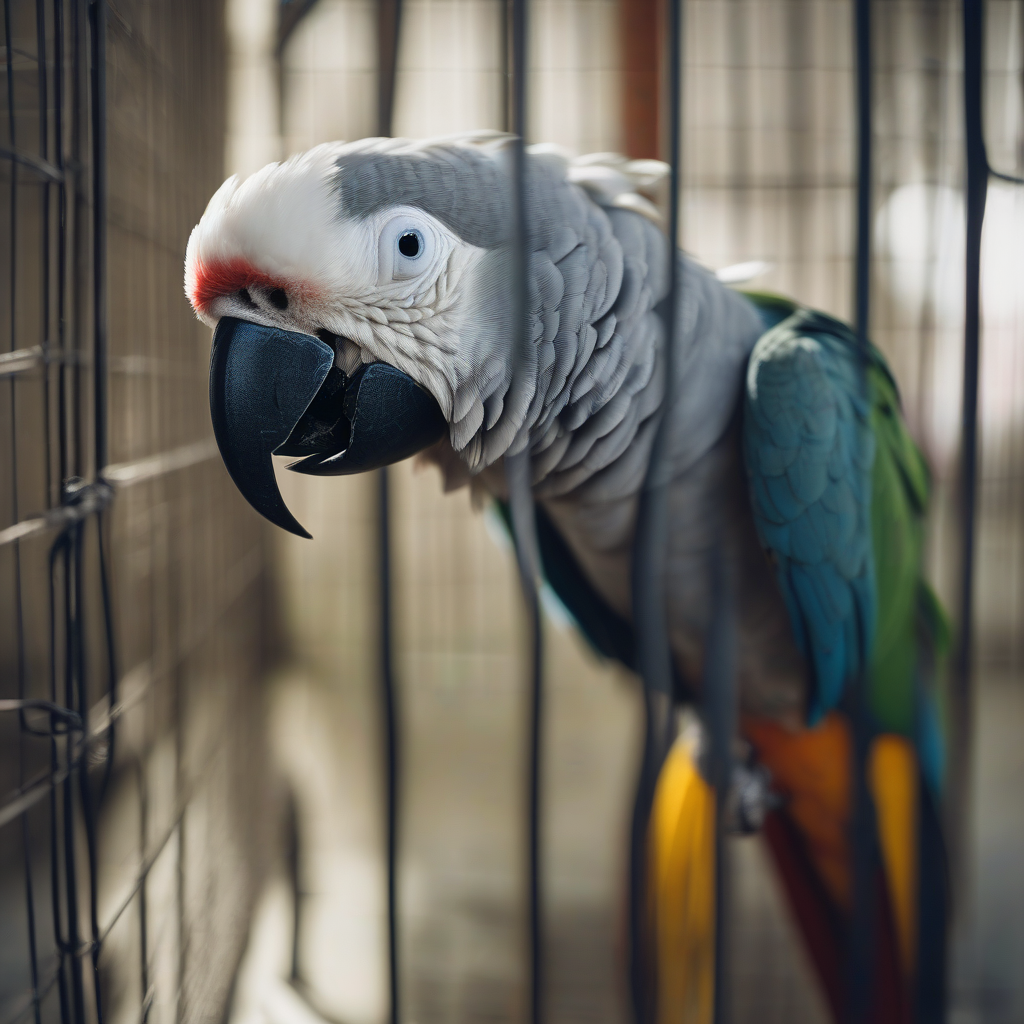
In this article, you will discover the hidden neurocognitive mechanisms behind feather plucking behavior in birds, including stress, hormonal imbalances, and environmental triggers, along with scientific solutions. Understand the complex causes of feather plucking to enhance your companion's well-being.


Discover the types of burns your dog can suffer, the 5 insidious neurophysiological effects these burns create in the brain and body, and lifesaving emergency intervention strategies in this comprehensive guide. We shed light on the dangers behind forgotten household accidents from a scientific perspective.

Discover the neurobiological signals of hidden stress your newly adopted cat experiences during adaptation to a new social environment. This article reveals 5 insidious signs of your cat's silent struggle and scientific strategies for peaceful, long-term harmony.

Your dog's anal sacs, located beneath the tail, can be hidden alarm bells often overlooked but profoundly affecting their quality of life. In this article, you will discover the 5 insidious neurobiological effects of anal sac problems on the brain and the lifesaving care secrets you need to know for your furry friend to live a peaceful life.
The well-being of our pet birds is directly linked not only to their physical health but also to their mental and emotional state. However, sometimes we may witness our beloved feathered friends exhibiting complex behaviors that concern their owners. One such behavior is feather plucking – often a 'secret alarm' for a network of underlying issues, beyond a simple habit.
Feather plucking (not to be confused with true feather diseases caused by viral infections like PBFD or PDD) is a destructive behavior where birds chew, pull out, or excessively preen their own feathers, leading to skin irritation, wounds, and feather loss. This is not just an aesthetic problem but a strong indicator that your bird is experiencing serious physical or psychological distress. As of May 2026, recent advances in veterinary science allow us to better understand the neurocognitive, hormonal, and environmental triggers behind feather plucking. Here are 5 critical secrets of this mysterious behavior and scientific solutions.
Feather plucking cannot usually be attributed to a single cause. Rather, it results from a complex interaction of internal and external factors. Understanding these factors is vital for developing an effective intervention strategy.
Birds' brains, similar to humans, possess complex neurotransmitter systems. In situations of stress, anxiety, or insufficient stimulation, the balance of neurotransmitters like serotonin and dopamine can be disrupted. This imbalance can pave the way for compulsive and repetitive behaviors, such as feather plucking. Reward mechanisms in the brain can reinforce the act of plucking, as it provides instant relief, trapping the behavior in a vicious cycle. Chronic stress leads to persistently high levels of stress hormones like cortisol, further affecting brain chemistry and diminishing the bird's overall well-being.
Hormonal fluctuations associated with the reproductive cycle can trigger feather plucking, especially in female birds. High estrogen levels can lead to itching or discomfort in feather follicles, causing the bird to excessively preen these areas. Seasonal changes and breeding periods further accentuate these hormonal shifts. Furthermore, endocrine system disorders such as an underactive thyroid (hypothyroidism) can affect feather quality and encourage plucking behavior.
Birds are incredibly sensitive to their environment. Factors such as inadequate cage size, improper cage placement (e.g., constant exposure to noise or excessive movement), insufficient enrichment (lack of toys, chewing materials), or social isolation lead to chronic stress. Irregular lighting at night or insufficient sleep can also trigger hormonal imbalances and exacerbate feather plucking. For more information on your bird's nesting secrets and cage placement, you can check our articles Your Bird's Secret Climate Control: 5 Neurobiological Secrets of Cage Placement and Lighting! and Your Bird's Hidden 'Stress Walls': 5 Unknown Neurobiological Effects of Cage Design and Secrets to a Peaceful Home.
Imbalanced or inadequate nutrition can be a physical cause of feather plucking. Deficiencies in vitamins and minerals, especially Vitamin A, calcium, zinc, and selenium, or imbalanced omega-6/omega-3 fatty acid ratios, directly affect feather and skin health. Poor quality protein sources can also negatively impact feather development and lead to itching. This condition can cause the bird to pluck feathers in an attempt to relieve itself. To learn more about the neurophysiological effects of mineral imbalances, you can refer to our content Your Bird's 'Hidden Nutritional Traps': 5 Insidious Neurophysiological Signs of Mineral Imbalance and Lifesaving Scientific Solutions!.
Birds are inherently social animals, and loneliness or a lack of sufficient interaction can lead to profound emotional stress. A bird's inability to establish sufficient social interaction with its 'flock' (whether human or other birds) can result in behavioral disorders. This can trigger anxiety and boredom, manifesting as compulsive behaviors like feather plucking. To understand the social codes and art of harmony in birds, you can read the article Your Bird's 'Secret Social Codes': 5 Neurobiological Signals within the Flock and the Art of Harmony.
Combating feather plucking requires patience and a multifaceted approach. Here are some scientifically-backed strategies:
Feather plucking can be a challenging situation for bird owners, but don't despair. Delving into the root cause of the problem and adopting a scientific, multifaceted approach will help your feathered friend live a healthier and happier life. Remember, seeking professional veterinary support is the most crucial step in this process.
