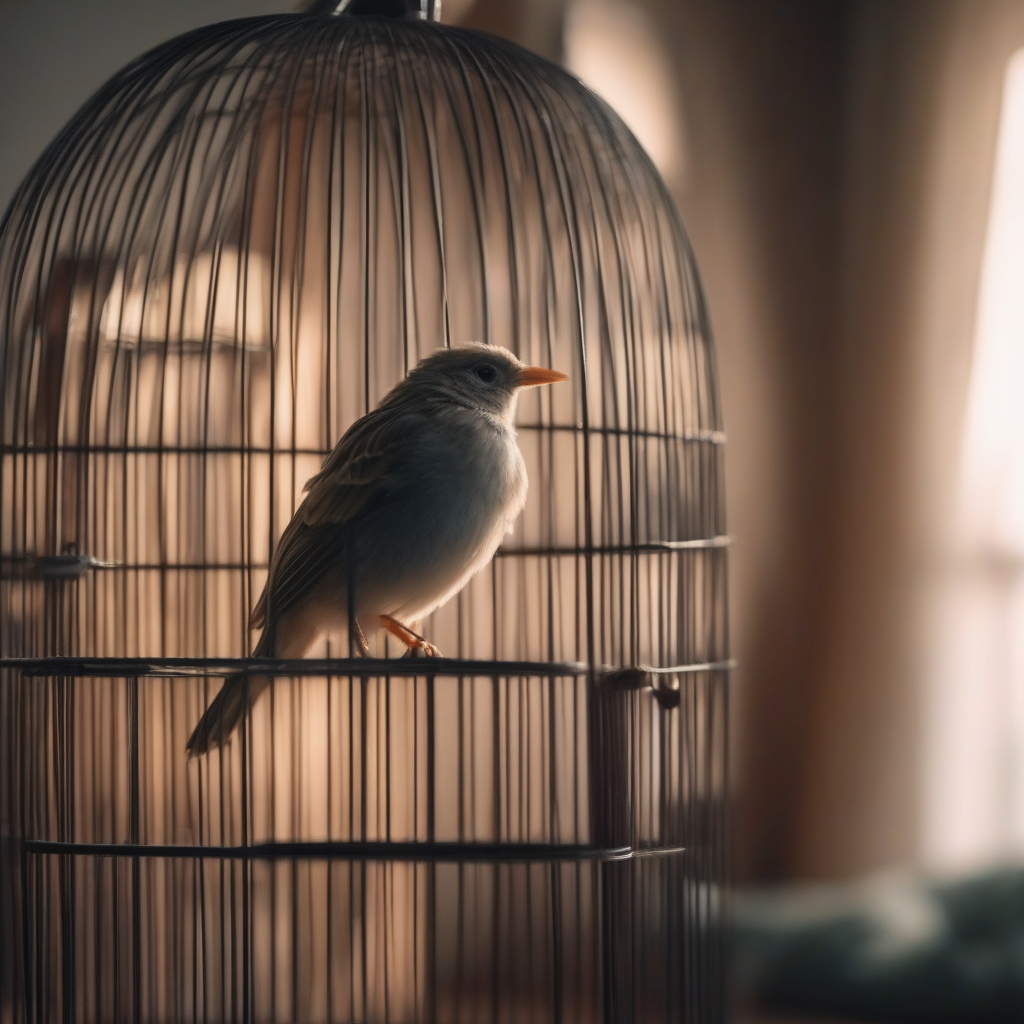
You might not be aware of the climate conditions in your bird's living space. In this article, explore the 5 hidden neurobiological effects of cage placement and lighting on your bird's health.

Discover the types of burns your dog can suffer, the 5 insidious neurophysiological effects these burns create in the brain and body, and lifesaving emergency intervention strategies in this comprehensive guide. We shed light on the dangers behind forgotten household accidents from a scientific perspective.

Discover the neurobiological signals of hidden stress your newly adopted cat experiences during adaptation to a new social environment. This article reveals 5 insidious signs of your cat's silent struggle and scientific strategies for peaceful, long-term harmony.

Your dog's anal sacs, located beneath the tail, can be hidden alarm bells often overlooked but profoundly affecting their quality of life. In this article, you will discover the 5 insidious neurobiological effects of anal sac problems on the brain and the lifesaving care secrets you need to know for your furry friend to live a peaceful life.
The world of our pet birds is often woven with subtle details imperceptible to us. Their mental and emotional well-being, as much as their physical health, depends on the conditions around them. One of the most critical of these conditions, often overlooked, is 'climate'. However, the climate we refer to here is not just about room temperature or humidity. Factors such as the bird's cage location, the nature of the light it receives, and the direction of airflow have profound effects on their neurobiology.
In this article, we will delve into the 5 hidden neurobiological effects of these invisible climatic elements in your bird's living space – namely, cage placement and lighting – on their behavior, mood, and overall health. These secrets will help you forge a stronger bond with your bird and create the most suitable living environment for them.
Where your bird's cage is placed is not just a matter of simple aesthetic preference. It directly affects your bird's thermoregulation ability and, consequently, its stress levels. Placing the cage near a window, where it could be exposed to sudden temperature changes, or in a spot receiving direct sunlight, increases the risk of overheating or chilling for your bird. This situation can overstimulate their autonomic nervous system, leading to chronic stress.
Heat stress activates the hypothalamic-pituitary-adrenal (HPA) axis, which causes the release of stress hormones like cortisol. Continuously high cortisol levels weaken the immune system and can lead to behavioral problems. Placing your bird's cage in a location that is not in the path of direct drafts but is at a cool and stable temperature significantly reduces this stress.
Sunlight is not just something that allows us to see; it is also the most important factor in adjusting the internal biological clocks (circadian rhythm) of living beings. The spectrum and duration of light your bird's cage receives directly influence their sleep-wake cycles, hormone secretions, and even reproductive behaviors.
Full-spectrum natural light sends signals to the brain via specialized photoreceptors in the retina. These signals help balance neurotransmitters such as melatonin (sleep hormone) and serotonin (happiness hormone). Insufficient or incorrect spectrum lighting can lead to imbalances, depression, sleep disturbances, and behavioral issues. Positioning the cage to receive direct natural light in the mornings and indirect light in the afternoons is ideal. If artificial lighting is used, full-spectrum lamps that simulate daylight should be preferred.
The cage's location also determines how airflow will occur. Direct drafts can cause your bird's feathers to ruffle, make them feel cold, and make them more susceptible to respiratory infections. This situation can be dangerous, especially for sensitive bird species. Since birds have delicate respiratory systems, they are more vulnerable to such external factors.
Exposure to sudden drafts can trigger your bird's 'hidden airway traps', leading to sudden breathlessness and panic attacks. This situation also increases the secretion of stress hormones. Placing the cage in a location that is not directly opposite a door or window, but still allows for fresh air circulation, is critical for both respiratory health and mental tranquility. Our article, Your Bird's Secret 'Airflow Mazes': 5 Invisible Neurobiological Effects of Cage Placement and a Secret to a Peaceful Home, sheds more light on this topic.
The place where the cage is located determines how your bird perceives its surroundings. If the cage faces a busy area of the house (kitchen, hallway, etc.), the bird is constantly exposed to visual and auditory stimuli. This can lead to a constant state of alertness and anxiety, especially in shy or sensitive birds. Conversely, placing the cage in a very isolated corner can lead to the bird being deprived of social interaction.
Constant visual stimuli can trigger your bird's 'hidden panic buttons', making it feel constantly threatened. This, in turn, leads to the nervous system remaining overactive. Positioning the cage in a spot where it can partially observe human interaction but also find a calm space to rest and feel secure ensures neurocognitive balance. In stressful situations, referring to the emergency intervention methods in our article Your Bird's 'Hidden Panic Buttons': Lifesaving 5-Second Scientific Intervention Codes for Sudden Trauma! can be beneficial.
While not a direct climatic factor, scents also create a type of environmental 'air'. Although birds do not have a strong sense of smell, they can react to chemical signals such as pheromones. For example, the smells of household cleaning products or sprays can cause respiratory irritation and stress reactions in your bird. Similarly, the scents of other pets can cause anxiety in some birds.
Exposure to toxic odors can negatively affect your bird's central nervous system and even lead to respiratory problems. In our article, Your Bird's 'Silent Poison Chamber': 5 Hidden Household Toxin Sources, Their Neurotoxic Effects, and Lifesaving Scientific Measures!, we highlight these dangers. Keeping your bird's living space free from perfumes, chemical cleaners, and other strong odors is vital for its neurobiological health. A clean and natural environment allows your bird to feel safer and more comfortable.
In conclusion, the placement of your bird's cage and the light it receives are not just about its aesthetic appearance. These factors manage complex neurobiological processes that profoundly affect your bird's inner world, stress levels, sleep patterns, and overall health. By understanding these hidden climate secrets, you can create not just a cage for your feathered friend, but a sanctuary of peace and health.
