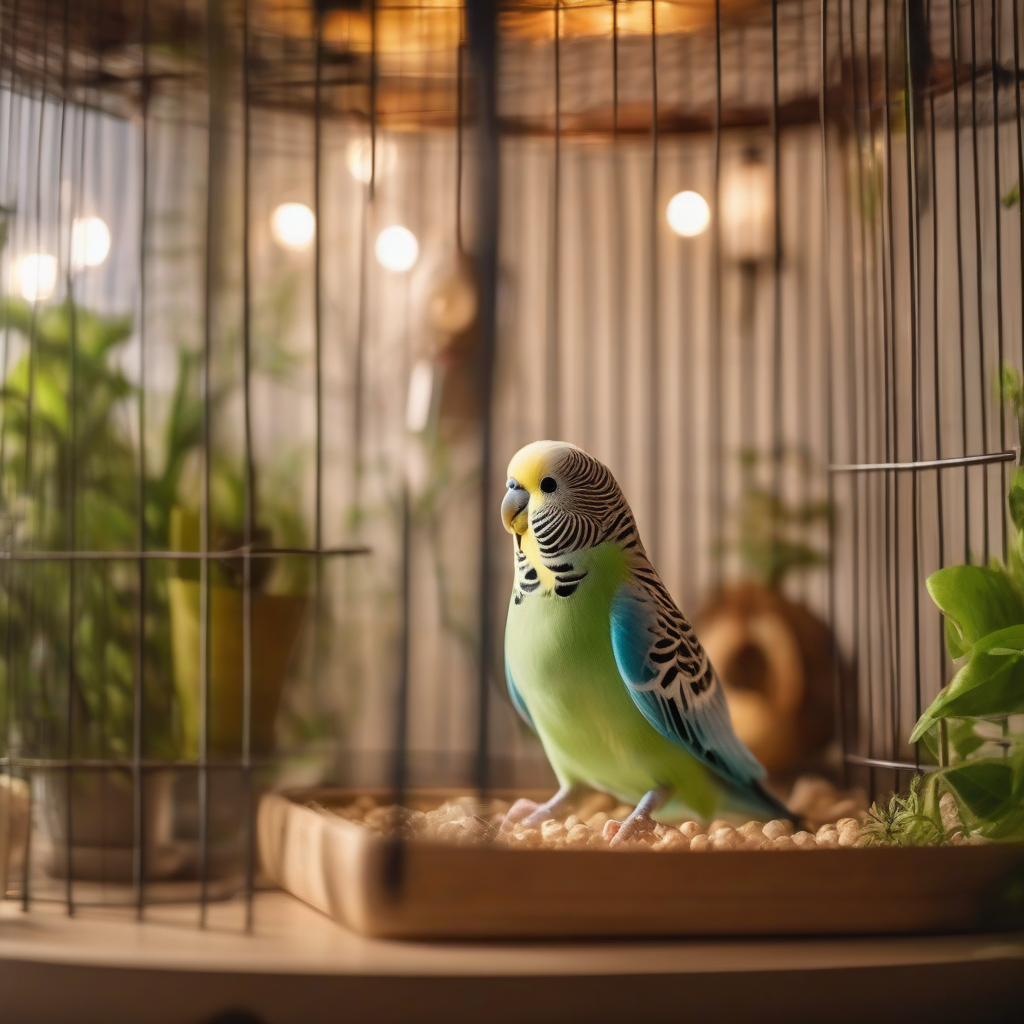
In this article, you will discover 5 common household toxin sources that pose hidden neurotoxic threats in your bird's living environment, along with scientific measures to protect them. Don't miss this vital information for your bird's health!


Discover the types of burns your dog can suffer, the 5 insidious neurophysiological effects these burns create in the brain and body, and lifesaving emergency intervention strategies in this comprehensive guide. We shed light on the dangers behind forgotten household accidents from a scientific perspective.

Discover the neurobiological signals of hidden stress your newly adopted cat experiences during adaptation to a new social environment. This article reveals 5 insidious signs of your cat's silent struggle and scientific strategies for peaceful, long-term harmony.

Your dog's anal sacs, located beneath the tail, can be hidden alarm bells often overlooked but profoundly affecting their quality of life. In this article, you will discover the 5 insidious neurobiological effects of anal sac problems on the brain and the lifesaving care secrets you need to know for your furry friend to live a peaceful life.
Our pet birds are delicate inhabitants of our homes. While their vibrant plumage, cheerful chirps, and intelligent personalities bring energy to our lives, they are surprisingly vulnerable to environmental threats. Many household items or practices that seem harmless to humans can create 'silent poison chambers' for birds, leading to serious health issues or even sudden death, particularly due to their neurotoxic effects. As of April 2026, guided by veterinary science, we will delve into the hidden sources of toxins in your bird's living space, their devastating impact on the nervous system, and lifesaving scientific prevention strategies.
Avian physiology makes birds far more susceptible to environmental toxins than humans. This sensitivity stems from several underlying neurobiological and physiological factors:
Birds' small body mass leads to a rapid concentration of toxic substances in their bodies. Their high metabolic rate ensures that these substances are quickly absorbed and distributed throughout the system, causing poisoning symptoms to appear much faster and more severely. Toxins can rapidly lead to neurological dysfunction by accumulating on nerve cells or disrupting signal transmission.
Birds have a much more efficient respiratory system than mammals. Thanks to air sacs and unidirectional airflow, birds absorb airborne particles and chemicals with extreme efficiency. This condition facilitates the direct and rapid entry of volatile toxins (gases, aerosols) into the bloodstream, reaching the brain and exerting neurotoxic effects. To learn more about this sensitive respiratory system, you can refer to our article: Your Bird's Hidden 'Respiratory Traps': 5 Insidious Obstacles Threatening Airways and Lifesaving Scientific Intervention Protocols!.
Polytetrafluoroethylene (PTFE) and Perfluorooctanoic acid (PFOA), key components of non-stick cookware, release toxic fumes when heated to high temperatures. These fumes are lethal to a bird's sensitive respiratory system. This condition, known as 'Teflon toxicosis' or 'Teflon poisoning,' can cause respiratory paralysis and sudden death within minutes. These chemicals can rapidly affect the nervous system, impairing motor neuron function.
Air fresheners, room sprays, polishes, cleaning sprays, and even some candles contain volatile organic compounds (VOCs) that are highly harmful to birds. These chemicals can cause respiratory irritation, chronic respiratory problems, and most importantly, central nervous system depression. Neurological symptoms such as behavioral changes, lethargy, and incoordination may be observed.
Lead and zinc, found in old paints, some antique cages, batteries, jewelry, and cheap metal toys, are highly toxic to birds. Birds risk poisoning when they are exposed to these substances through their beaks. Lead and zinc poisoning can lead to neurological damage, resulting in seizures, tremors, loss of coordination, paralysis, and even death. The digestive system and anemia can also be affected.
Many popular houseplants (e.g., Dieffenbachia, Ivy, Poinsettia, Cyclamen) are poisonous to birds and can cause serious health problems if ingested. The toxins in these plants can irritate a bird's digestive system, impair liver and kidney function, and in some cases, lead to neurological symptoms (seizures, incoordination).
Smoke from cigarettes, cigars, or e-cigarettes contains thousands of chemicals that are extremely dangerous for birds. Nicotine has direct toxic effects on the bird's nervous system. Passive smoking increases the risk of chronic respiratory diseases, eye irritation, skin problems, and even cancer in birds. Neurologically, nicotine exposure can cause tremors, incoordination, and even death.
Regularly subjecting your bird's living space to a 'risk assessment' is the first step in identifying potential toxin sources. Continuously check the cage, toys, surrounding items, and houseplants. Use safe alternatives and ensure that everything your bird can access with its beak is harmless.
In case of suspected poisoning, time is a critical factor. If you notice sudden behavioral changes, loss of coordination, difficulty breathing, diarrhea, or vomiting in your bird, immediately contact an avian veterinarian. If possible, inform the veterinarian about the potential source of the toxin the bird was exposed to. Early diagnosis and scientifically-based veterinary intervention can save your bird's life.
Being a conscientious bird owner means providing them not only with love and nutrition but also with a safe and toxin-free living environment. Recognizing and preventing 'silent poison chambers' in your home is the key to your bird living a long, healthy, and happy life.
