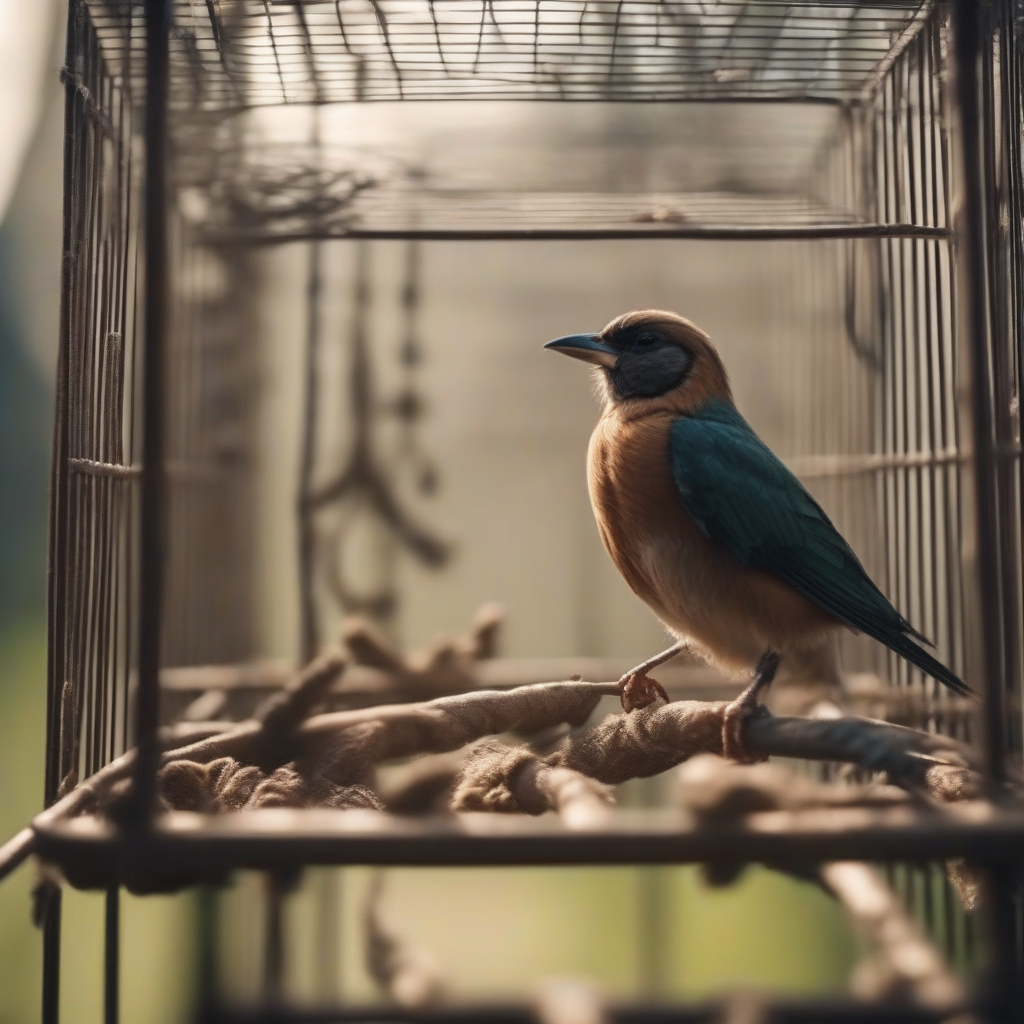
In this article, we delve into the unknown effects of your bird's living space architecture on bone and muscle health, and the 5 insidious problems that can arise from improper cage design.


Discover the types of burns your dog can suffer, the 5 insidious neurophysiological effects these burns create in the brain and body, and lifesaving emergency intervention strategies in this comprehensive guide. We shed light on the dangers behind forgotten household accidents from a scientific perspective.

Discover the neurobiological signals of hidden stress your newly adopted cat experiences during adaptation to a new social environment. This article reveals 5 insidious signs of your cat's silent struggle and scientific strategies for peaceful, long-term harmony.

Your dog's anal sacs, located beneath the tail, can be hidden alarm bells often overlooked but profoundly affecting their quality of life. In this article, you will discover the 5 insidious neurobiological effects of anal sac problems on the brain and the lifesaving care secrets you need to know for your furry friend to live a peaceful life.
For your bird's happiness and health, not just proper nutrition and affection are sufficient. Equally important is their living space. However, a fact often overlooked is that the cage's architecture is more than just a shelter; it can profoundly impact your bird's physical and neurological well-being.
As of April 2026, our understanding of pet welfare is deepening. For delicate creatures like birds, the subtleties of their living environment are critical. In this article, we will scientifically examine the unknown, insidious effects of a bird cage's 'architecture'—its dimensions, layout, materials used, and enrichment elements—on bone and muscle health, and how we can prevent these issues.
In their natural habitats, birds constantly move, climb, hop, and fly. These activities support the development and health of their skeletal and muscular systems. However, an enclosed cage environment can restrict these natural movements, and if the cage design is not optimal, it can lead to serious health problems. Here are 5 insidious ways improper cage design can threaten your bird's bone and muscle health:
If your bird's cage has ceilings that are too low to allow for flight or gliding, it can lead to severe imbalances in muscle development. Birds naturally need space to stretch and extend their wings. The lack of adequate vertical space can cause wing muscles to weaken or even atrophy. Furthermore, feeling constantly cramped can reduce your bird's overall mobility, leading to a more sedentary lifestyle and further loss of muscle mass.
The size, shape, and placement of perches are vital. Perches that are too thin or too thick can create stress on your bird's feet and legs. Ideally, perches should vary in diameter to support your bird's natural gripping and resting movements. Overly narrow or hard perches can cause bones to remain in incorrect positions for extended periods, leading to long-term bone stress, inflammation, and even issues like malocclusion (jaw misalignment). It's important to remember that malocclusion, as highlighted in our article on Your Rabbit's 'Hidden Jaw Lock': 5 Insidious Signs of Dental Malocclusion and Lifesaving Scientific Solutions!, is not exclusive to rabbits.
Many cage floors are made of plastic or hard metal materials for easy cleaning. However, these surfaces are extremely hard on your bird's feet and joints. Birds maintain balance by pressing their feet against natural surfaces and feeling different textures. Artificial, uniform, and hard floors can, in the long run, lead to joint inflammation (arthritis), foot calluses, and postural abnormalities. Articles like Your Rabbit's 'Secret Ground Maze': Neurosensory Secrets of Substrate Choice and 5 Scientific Principles Triggering Welfare! and Your Hamster's 'Subterranean Illusion': Neurobiological Secrets of Hidden Cage Substrate Layers and Stress-Eliminating Design Codes emphasize the criticality of ground texture for different species. A similar sensitivity applies to birds.
Beyond the cage's size, its internal 'architecture' is crucial. A cage lacking adequate toys, climbing equipment, or platforms at different levels prevents your bird from being mentally and physically stimulated. This can result in excessive feather plucking (a sign of stress), repetitive and stereotypic behaviors (like constantly walking the same path in the cage), and even general lethargy. Lack of mental stimulation can make your bird depressed, which in turn negatively impacts their physical health. Your Bird's 'Mental Hunger Syndrome': 5 Insidious Behavioral Effects of Lack of Cognitive Stimulation and Scientific Solutions to Develop the Brain! discusses this in detail.
Some paints or coatings used in cage construction can be toxic to birds. Particularly zinc and lead-based materials can cause severe poisoning if inhaled or ingested through feather plucking. Such toxins can affect the nervous system and organs, indirectly weakening muscle control and overall physical resilience. As discussed in Your Dog's 'Toxic Mystery Lab': 5 Insidious Sources of Toxins at Home and Brain-Body Rescue Protocols!, birds are highly sensitive to toxins. Furthermore, the fragility of some cage bars or toy-like elements can lead to injuries for your bird, and these injuries can cause additional problems with bones or muscles.
Improving your bird's living space is one of the most effective ways to enhance their overall well-being. Here's what to consider:
Your bird's cage is not just a prison; it's their micro-universe. The architecture of this universe forms the foundation of their physical and mental health. By understanding these 5 insidious effects and implementing proper habitat adjustments, you can extend your bird's lifespan and ensure they live a healthier, happier life.
Remember, environmental factors like Your Bird's 'Hidden Climate Engineering': 5 Unknown Neurobiological Effects of Cage Placement and Lighting! are closely related to habitat design and should not be overlooked for your bird's overall welfare.
