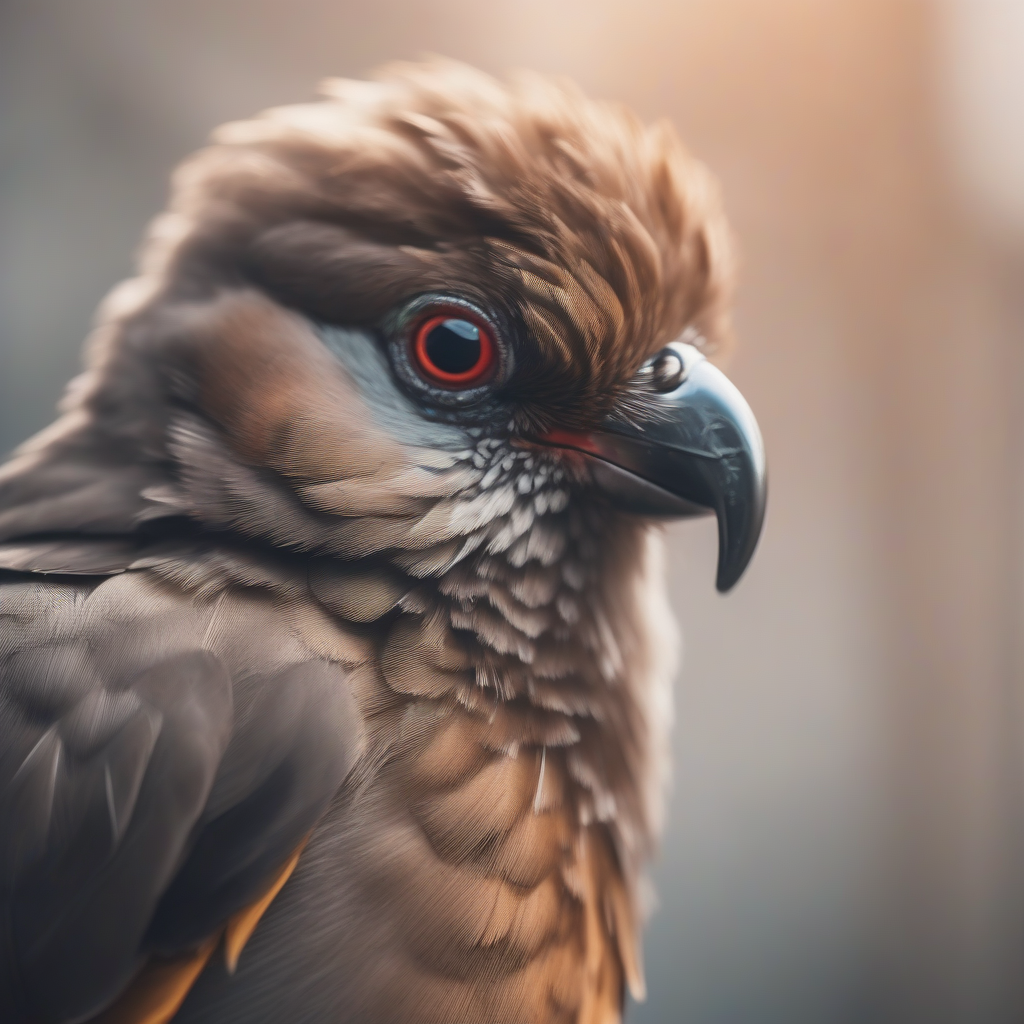
In this article, you will learn about the hidden dangers threatening your bird's respiratory system and the lifesaving scientific intervention protocols for emergencies.


Discover the types of burns your dog can suffer, the 5 insidious neurophysiological effects these burns create in the brain and body, and lifesaving emergency intervention strategies in this comprehensive guide. We shed light on the dangers behind forgotten household accidents from a scientific perspective.

Discover the neurobiological signals of hidden stress your newly adopted cat experiences during adaptation to a new social environment. This article reveals 5 insidious signs of your cat's silent struggle and scientific strategies for peaceful, long-term harmony.

Your dog's anal sacs, located beneath the tail, can be hidden alarm bells often overlooked but profoundly affecting their quality of life. In this article, you will discover the 5 insidious neurobiological effects of anal sac problems on the brain and the lifesaving care secrets you need to know for your furry friend to live a peaceful life.
Our feathered friends' delicate systems make them vulnerable to external factors. Their respiratory systems, in particular, can be easily affected by various elements such as air quality, sudden temperature changes, and allergens. As a bird owner, being aware of this sensitivity and being prepared for potential emergencies is vital. Remember, the timing of the first intervention in birds can determine the fine line between life and death.
Air sacs, a crucial part of a bird's respiratory system, are prone to infection, especially with improper care or lack of hygiene. These infections can lead to difficulty breathing, wheezing, and general malaise. When you observe sudden signs of respiratory distress, suspecting an air sac infection is a primary concern. Poor cage hygiene and factors like Your Bird's 'Hidden Climate Engineering': 5 Unknown Neurobiological Effects of Cage Placement and Lighting can increase this risk.
Emergency Intervention:
A bird's diet is critical for its overall health, including its respiratory system. Some feeds, especially fine seeds or processed foods, can contain fine dust or hull particles that can, over time, enter the air sacs. These particles can accumulate and cause airway obstruction. This possibility should be considered, especially in birds experiencing sudden coughing fits or shortness of breath.
Emergency Intervention:
Our homes can sometimes harbor unexpected sources of allergens for birds. Dust, mold, pet dander (if other pets are present), air fresheners, cleaning products, and even certain plants can trigger allergic reactions in birds. These reactions can manifest as sneezing, eye discharge, puffed feathers, and most importantly, difficulty breathing.
Emergency Intervention:
Birds are highly sensitive to drastic and rapid temperature fluctuations. Boilers suddenly turning off or on, sudden cold drafts from windows, or even direct exposure to sunlight can negatively impact a bird's respiratory system. This can lead to respiratory distress and even shock. Similar to how Your Fish's 'Insidious Thermal Fluctuations': 5 Invisible Physiological Effects of Aquarium Temperature Changes and Lifesaving Scientific Stabilization Strategies affects fish, thermal stress can have serious consequences for birds.
Emergency Intervention:
Birds can experience respiratory problems when under stress. Adapting to a new environment, unexpected noise, a fight, or a frightening experience can increase respiration rate and even cause shortness of breath. Topics like Your Bird's 'Invisible Mind Bonds': 5 Secret Social Codes for New Environment Adaptation and Your Bird's 'Social Charm Codes': 5 Hidden Neurocognitive Keys to Meeting a New Friend in the Brain illustrate how sensitive birds are to social and environmental factors. This sensitivity can directly affect their respiratory system during stressful moments.
Emergency Intervention:
Important Note: Sudden respiratory obstruction in birds may require 5 critical lifesaving scientific interventions. Our article, Your Bird's 'Last Breath Battles': 5 Critical Lifesaving Scientific Interventions for Acute Respiratory Obstruction, provides more detailed first aid information for such emergencies. Remember, your bird's health is in your hands!
