
Experiencing acute respiratory obstruction in your bird? This article details 5 deadly signs, causes, and 5 lifesaving scientific first aid protocols.

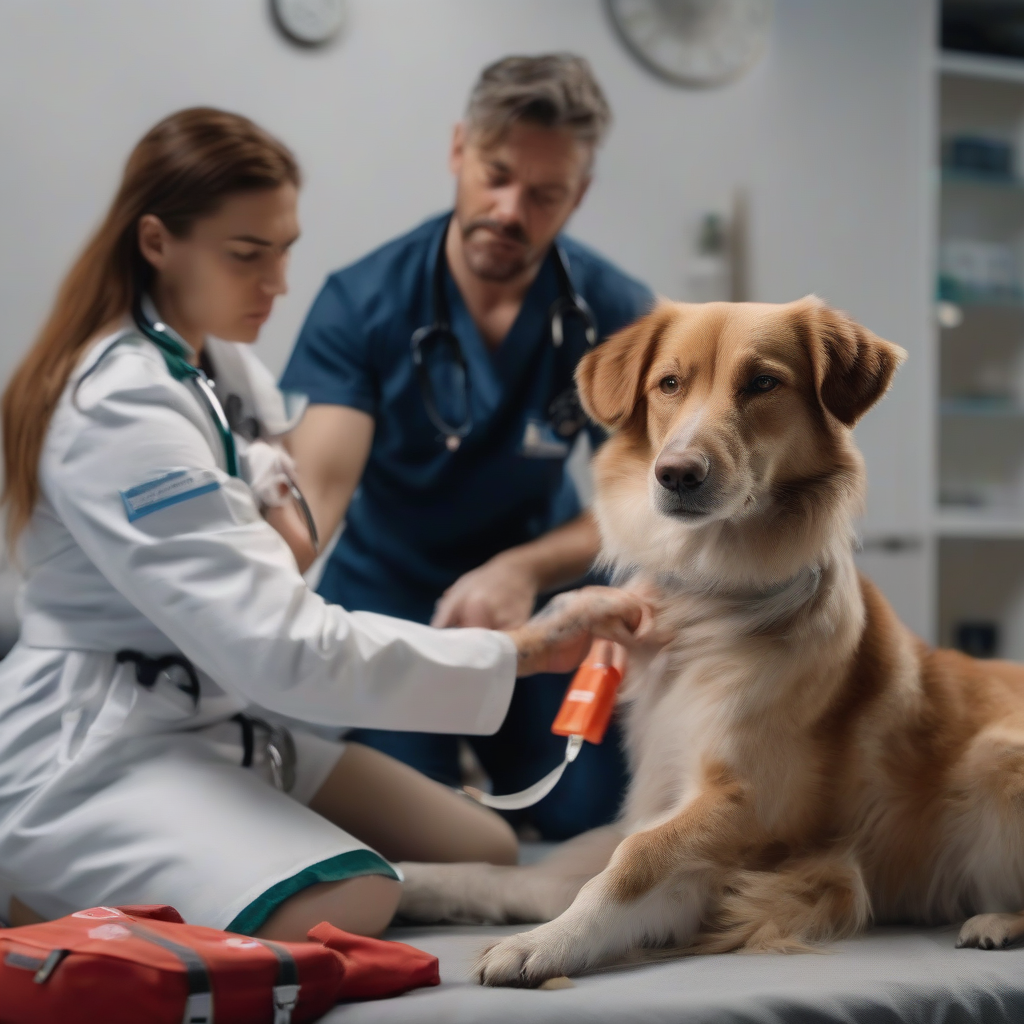
Discover the types of burns your dog can suffer, the 5 insidious neurophysiological effects these burns create in the brain and body, and lifesaving emergency intervention strategies in this comprehensive guide. We shed light on the dangers behind forgotten household accidents from a scientific perspective.

Discover the neurobiological signals of hidden stress your newly adopted cat experiences during adaptation to a new social environment. This article reveals 5 insidious signs of your cat's silent struggle and scientific strategies for peaceful, long-term harmony.

Your dog's anal sacs, located beneath the tail, can be hidden alarm bells often overlooked but profoundly affecting their quality of life. In this article, you will discover the 5 insidious neurobiological effects of anal sac problems on the brain and the lifesaving care secrets you need to know for your furry friend to live a peaceful life.
Experiencing acute respiratory obstruction in your pet bird is one of every bird owner's greatest nightmares. This condition can rapidly become a life-threatening emergency, and without timely, correct intervention, it can tragically lead to dire consequences. Birds' small bodies and delicate respiratory systems make them quite vulnerable to obstructions. In this article, we will delve into the 5 deadly signs of acute respiratory obstruction you may observe in your bird, its potential causes, and most importantly, 5 scientific first aid protocols that can be life-saving in these critical moments.
Recognizing the first signs of your bird's 'last breath battles' is vital for shortening intervention time. The following symptoms may require immediate veterinary attention:
Several factors can lead to respiratory obstruction in birds. The most common include:
If you observe one or more of the symptoms mentioned above in your bird, it's crucial to act quickly and correctly without panicking. Remember, the first few minutes can be life-saving.
Improve Air Quality and Remove Triggers: If the cause of obstruction is an airborne irritant (smoke, perfume, dust), first move your bird to an area with fresh, clean air. If possible, open a window or use a fan to improve air circulation. Immediately eliminate any source of cigarette smoke or chemical odor. As mentioned in our article Your Bird's 'Hidden Climate Engineering': 5 Unknown Neurobiological Effects of Cage Placement and Lighting!, air quality is critical for bird health.
Maintain a Calm Environment and Avoid Over-Stressing: Fear and stress experienced by your bird can worsen the situation. Place your bird in a quiet area, remain silent, and avoid sudden movements. Try to calm it by communicating through its vocalizations or body language, as discussed in Your Bird's 'Secret Communication Codes': 5 Scientific Secrets of Tones and Body Language in Training!.
Apply Droplets of Water to the Beak if Necessary (Use Caution!): If you suspect your bird's beak is dry and this is hindering its breathing, very carefully place a few droplets of lukewarm water on the side of its beak. Ensure your bird can swallow and never force it. Do not apply this step if you suspect a foreign object is involved.
Urgent Transport to a Veterinary Clinic: While performing the above steps or if unable to do so, the most critical action is to transport your bird immediately to a veterinarian specializing in avian care. The veterinarian will administer oxygen therapy, medications, or remove foreign objects as needed. Similar rapid intervention is life-saving for sudden cardiovascular issues or other emergencies. Topics like Your Bird's 'Hidden Heart Whispers': 5 Insidious Cardiovascular Signs Triggering Sudden Death Risk and Lifesaving Scientific Strategies! highlight the importance of emergency preparedness.
Gather Information in Case of Suspected Poisoning: If you suspect your bird may have been poisoned, try to gather information about what it might have ingested, how long ago, and the specific plant, chemical, or food involved. This information will help the veterinarian in diagnosis and treatment. Articles like Your Rabbit's 'Insidious Green Poison': 5 Common Household Plants with Deadly Effects and Lifesaving Scientific Emergency Intervention! raise awareness about poisoning risks.
Experiencing acute respiratory obstruction in your bird can be a frightening event. However, by acquiring this knowledge beforehand and maintaining your composure while implementing the correct first aid steps, you can significantly increase your bird's chances of survival. Remember, your bird's health is in your hands. Do not hesitate to consult your veterinarian in any case of doubt.
The emergency situations discussed in this article are closely related to the overall health and welfare of birds. For instance, topics like Your Bird's 'Secret Calcium Blockers': 5 Insidious Effects of Phytate in Seeds on Bone Health and Scientific Solutions! demonstrate ways to prevent long-term health issues, while sudden emergencies underscore the importance of life-saving measures.
These types of emergencies once again highlight the importance of meticulously managing the arrangement of birds' living spaces (Your Bird's 'Hidden Architectural Stress': 5 Insidious Effects of Improper Cage Design on Bone and Muscle Health!) and their dietary habits (Your Bird's 'Secret Respiratory Shield': 5 Neurobiological Effects of Feed Choice You Never Knew and Secrets to Protecting Airways!).
