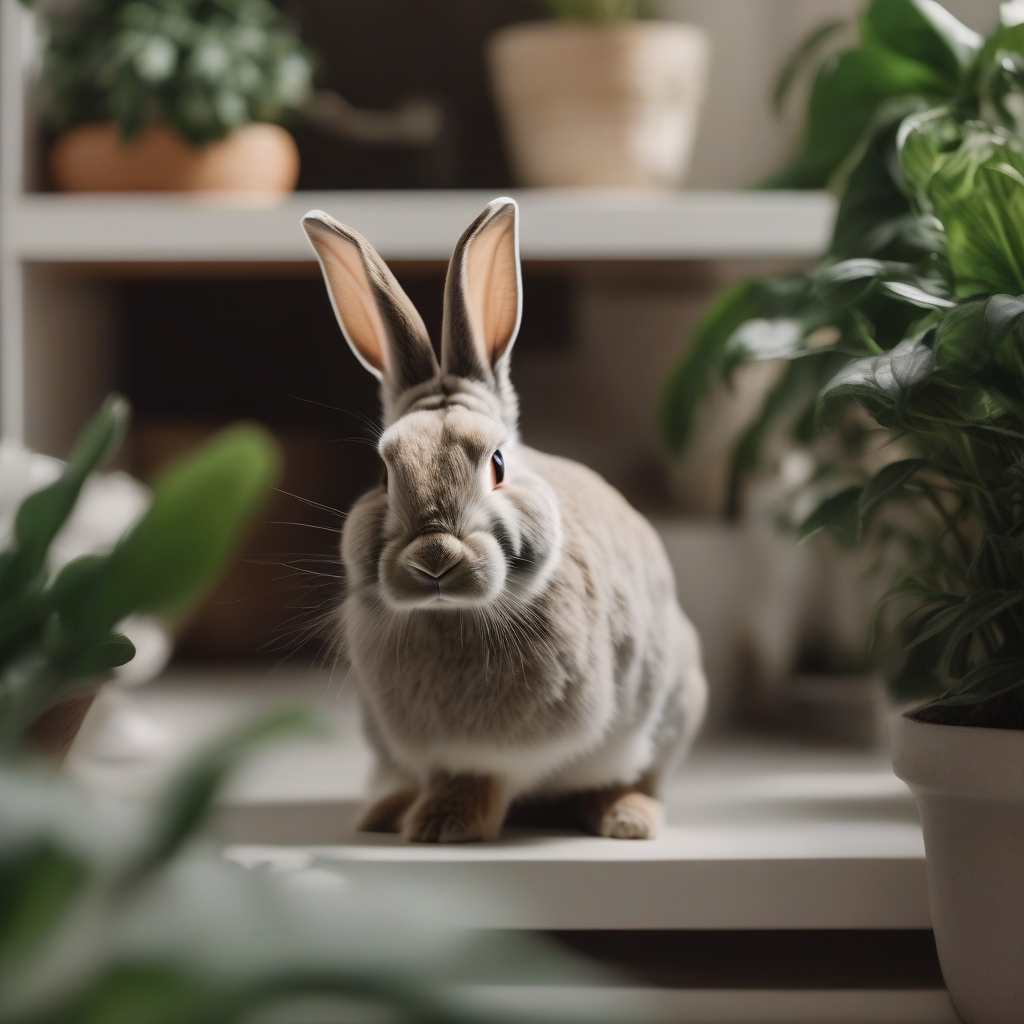
In this article, you will find detailed information on the toxic effects of houseplants that can be dangerous for rabbits and the lifesaving scientific emergency intervention protocols to be applied in case of poisoning.


In this article, you will discover the little-known but profound effects of the acoustic environment in rabbit living spaces on their brain health and general well-being, exploring the neurobiological consequences of both sound deprivation and overstimulation, and scientific secrets to creating a peaceful environment. Understand and optimize your rabbit's world with expert tips.
In this article, you will find comprehensive information about the insidious neurobiological effects of artificial colorings, preservatives, and flavors found in commercial bird feeds on your bird's brain health and mental vitality. We explore scientific nutritional secrets to combat these hidden dangers, shedding light on a wide spectrum of effects from behavioral changes to cognitive decline.

In this article, you can discover the scientific secrets to understanding your cat's undesirable habits, deciphering the neurocognitive mechanisms in their brain, and establishing lasting new routines.
Rabbits, due to their natural curiosity and constant chewing instinct, are vulnerable to many dangers in the home environment. Especially common houseplants can be silent and deadly sources of poison for our tiny friends. Plants, with their toxins, can quickly lead to severe health problems, requiring urgent veterinary intervention. As of April 2026, although pet owners' awareness of rabbit health has increased, the insidious nature of plant poisonings still remains unknown to many. In this article, we will examine in detail the toxic effects of 5 of the most common and dangerous houseplants for rabbits and the lifesaving scientific emergency intervention protocols.
Rabbits have a particularly sensitive digestive system, making them highly susceptible to plant toxins. When they ingest a poisonous plant, toxins are rapidly absorbed and can affect vital organs such as the liver, kidneys, heart, and nervous system. While symptoms of poisoning vary depending on the type and amount of toxin exposed, and the rabbit's overall health, some early signs can be lifesaving:
If you notice any of these symptoms, it is critical to contact your veterinarian immediately.
Many seemingly innocent plants in our homes pose a hidden threat to rabbits. Here are 5 of the most dangerous:
Toxin: Calcium oxalate crystals. Effect: When the rabbit chews the plant, needle-like calcium oxalate crystals in the plant cells cause micro-injuries and severe irritation in the mouth, tongue, and throat. This can lead to excessive salivation, burning in the mouth, difficulty swallowing, and even swelling in the respiratory tract, increasing the risk of choking. In severe cases, the crystals can also cause kidney damage.
Toxin: Cardiac glycosides (Oleandrin, Neriin). Effect: Oleander leaves, flowers, and even branches are extremely poisonous to rabbits. Even a very small amount can be fatal. Cardiac glycosides directly affect the heart's electrical activity, leading to severe heart rhythm disorders, heart failure, and sudden death. Digestive symptoms include severe diarrhea, vomiting (though rabbits struggle to vomit), abdominal pain, and lethargy. Neurological symptoms may also accompany these.
Toxin: Calcium oxalate crystals. Effect: Similar to Dieffenbachia, Caladium plants also contain calcium oxalate crystals. When ingested by rabbits, these crystals cause severe pain, irritation, and swelling in the mouth, tongue, throat, and esophagus. This can lead to difficulty swallowing, salivation, and respiratory distress. The leaves and stems of the plant are the most poisonous parts.
Toxin: Anthraquinones and saponins. Effect: While considered beneficial for humans, Aloe Vera can be dangerous for rabbits. While the gel part of the plant usually causes no problems, the green rind of the leaf contains anthraquinones. These compounds have a laxative effect, causing severe diarrhea, abdominal pain, and dehydration. Excessive consumption can lead to electrolyte imbalances and severely disrupt the rabbit's delicate digestive system.
Toxin: Calcium oxalate crystals. Effect: Pothos, a popular houseplant, also contains calcium oxalate crystals. When rabbits chew this plant, severe burning, pain, and swelling occur in the mouth, tongue, and esophagus. This leads to salivation, difficulty swallowing, and loss of appetite. Prolonged or high-dose exposure can cause digestive irritation and general discomfort.
If you suspect your rabbit has eaten a poisonous plant, time is a critical factor. Quick and correct steps can save your friend's life:
The first and most important step is to immediately contact a veterinarian. Prefer a veterinarian specializing in rabbits. Clearly state that you suspect poisoning and which plant you suspect. If possible, take a photo of the plant and send it.
Remove your rabbit from further access to the plant. If there are plant residues in its mouth, gently try to clean them, but be careful not to injure yourself or the rabbit.
Rabbits do not vomit easily like other animals, and attempting to induce vomiting can cause further damage to the esophagus or respiratory tract. This is a procedure that should only be done under veterinary supervision.
Your veterinarian will want to know the type of plant, how much may have been eaten, when it was eaten, and the symptoms your rabbit is showing. Preparing this information in advance will speed up the intervention process. In some cases, invisible internal wounds and signs of shock may also accompany the poisoning.
Your veterinarian will create a treatment plan based on your rabbit's condition. This may include activated charcoal administration, intravenous fluid therapy, pain relievers, or other supportive treatments. Early diagnosis and rapid intervention significantly increase the chances of recovery.
The most effective way to protect your rabbit from plant poisoning is to completely remove risky plants from its living area. Check all plants in your home to ensure they are safe for rabbits, and either move poisonous ones to inaccessible places or remove them from your home. You can satisfy your rabbit's natural chewing instinct by offering safe plants to chew (e.g., specially grown herbs, clover).
Remember, rabbits are delicate creatures, and health problems can quickly worsen. Always be vigilant and do not hesitate to seek professional help if in doubt. These scientific approaches will help your rabbit live a healthy and long life.
