
In this article, you will find 5 insidious neurophysiological signs of mineral imbalances that secretly threaten your bird's health and scientific solutions to combat these conditions.


In this article, you will find comprehensive information on the signs of internal bleeding in dogs that are difficult to detect externally, the neurophysiological responses of the brain to this condition, and lifesaving emergency intervention strategies. Here's what you need to know to hear your dog's silent screams.

Discover the insidious neurobiological effects of vitamin and mineral deficiencies in your hamster's diet on brain health and scientific nutrition strategies for optimal cognitive function.
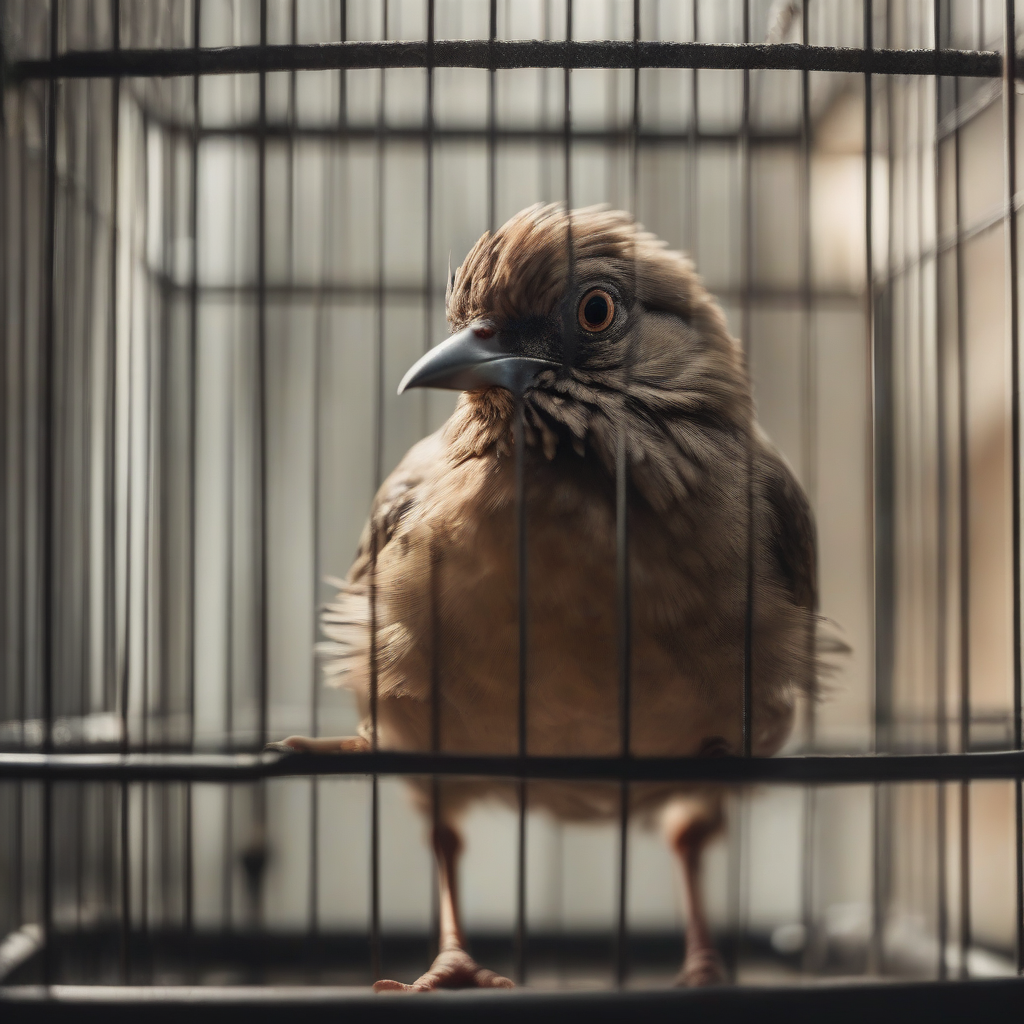
Aspergillosis, a common yet often overlooked fungal infection in birds, can deeply affect not only the respiratory system but also brain health. In this article, you will discover the 5 neurobiological effects of this insidious fungal infection on your bird's brain and lifesaving scientific solution strategies.
For every bird owner, their companion's happiness and health are the top priorities. However, sometimes subtle details that can be overlooked can significantly impact the health of our tiny feathered friends. Bird nutrition forms the foundation of their overall well-being, and one of the most critical links in this nutritional chain is minerals. Although they may not attract as much attention as vitamins, the balance of minerals plays a vital role in many aspects of your bird's life, from its nervous system and muscle functions to its behavioral traits. In this article, we will delve deeply into 5 insidious neurophysiological signs that can be caused by mineral imbalances in your bird's diet and the scientific measures you can take against these conditions.
Minerals not only serve as building blocks in the body but also play a key role in nerve transmission, muscle contractions, electrolyte balance, and enzyme activities. Therefore, an excess (hyper) or deficiency (hypo) of any mineral can directly affect the nervous system and, consequently, your bird's behavior, physiological responses, and overall health. The delicate physiology of birds makes them more susceptible to such imbalances. If these hidden 'nutritional traps' go unnoticed, they can lead to serious health problems over time.
If you observe sudden, unexplained irritability, restlessness, easy startling, or aggressive behavior in your bird, it could be a sign of calcium and magnesium imbalance. Calcium plays a critical role in regulating neurotransmitter release and nerve transmission. Insufficient calcium levels can lead to over-excitation of nerve cells. Magnesium, on the other hand, has a balancing effect on calcium's actions, and its deficiency can also cause nervous system overactivity.
If you notice your bird having difficulty balancing, a tendency to fall frequently, or becoming clumsier in its movements, this could indicate a problem with potassium and sodium balance. These electrolytes are vital for muscle function and nerve signal transmission. An imbalance of these minerals can disrupt the coordinated function of muscles, leading to balance issues. Particularly, sudden weakness and restricted movement can signal a serious stage of this condition.
If your bird suddenly exhibits general weakness, lack of energy, sleeps more than usual, or shows a significant drop in activity levels, it could be a symptom of iron and zinc deficiency. Iron is a key component of hemoglobin, which carries oxygen. Its deficiency leads to insufficient oxygen supply to tissues, resulting in overall fatigue. Zinc is important for immune function and cell regeneration. Its deficiency negatively affects overall health, leading to lethargy.
Healthy feathers are an indicator of a bird's overall health. If you notice dullness, easy breakage, excessive molting, or weakness in your bird's feather roots, it could stem from a deficiency in trace minerals like iodine and selenium. Iodine is necessary for the production of thyroid hormones, which directly affect metabolism and feather growth. Selenium is a potent antioxidant and is important for feather health and the immune system.
Significant changes in your bird's general behavior, such as becoming quieter than usual, avoiding play, or showing a lack of interest in food, can be linked to problems in copper and zinc metabolism. Copper is important for enzyme activity and energy production. Zinc affects nerve function and taste perception. Imbalances in these minerals can negatively impact overall metabolic processes and, consequently, appetite and behavior.
Mineral imbalances in your bird's diet are hidden dangers that can be difficult to detect at first but can lead to serious health problems over time. If you notice any of the neurophysiological signs mentioned above in your bird, consulting a veterinarian is crucial. Your veterinarian can make an accurate diagnosis through a detailed examination and necessary tests, and create a balanced nutritional plan tailored to your bird's specific needs. Remember that proper nutrition and regular veterinary check-ups are the keys to your bird living a long, healthy, and happy life. Our article, Your Bird's 'Sensory Sensitivity Reservoir': 5 Hidden Neurobiological Secrets of Perch Selection and Scientific Care for Zero Stress!, provides additional tips on general care strategies.
