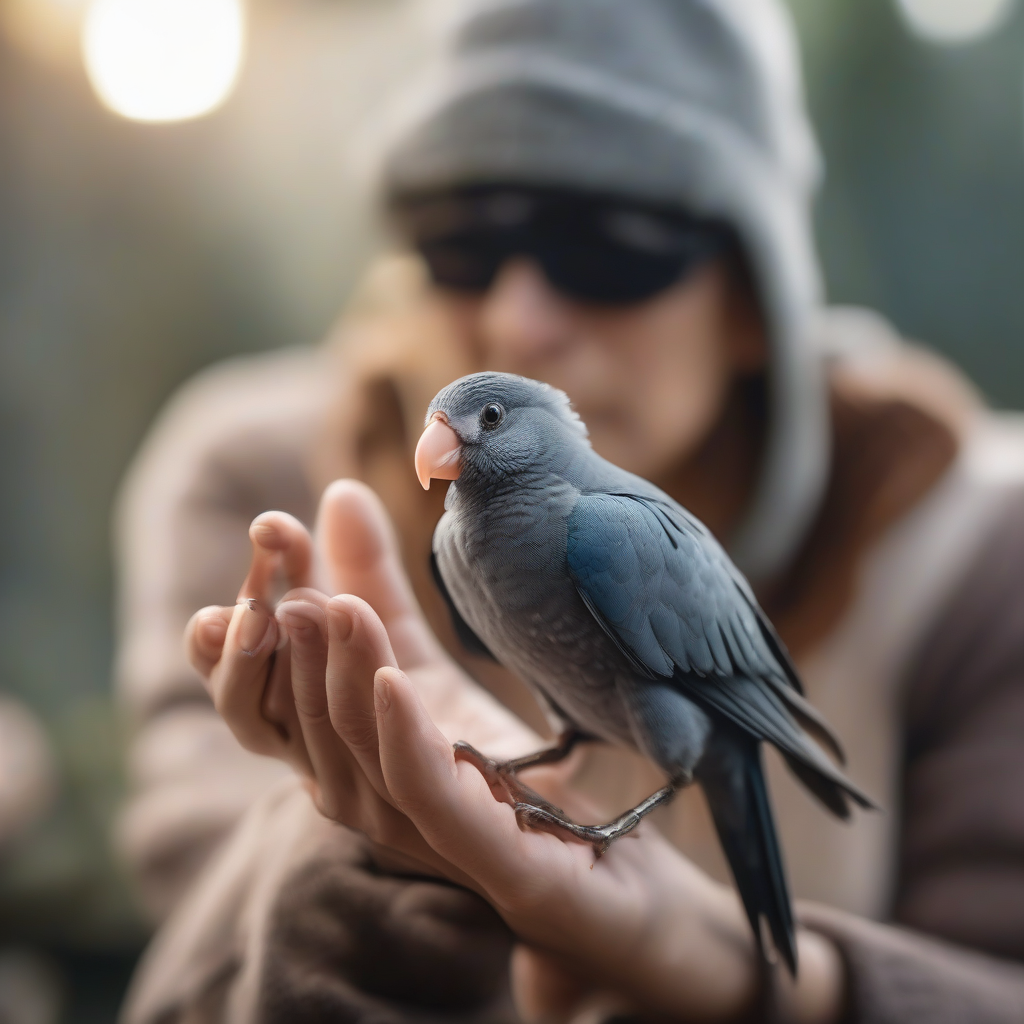
In this article, we will examine the signs, causes, and lifesaving emergency interventions for internal hemorrhage in birds from a scientific perspective. Early diagnosis and proper intervention can save your tiny friend's life.


Discover the types of burns your dog can suffer, the 5 insidious neurophysiological effects these burns create in the brain and body, and lifesaving emergency intervention strategies in this comprehensive guide. We shed light on the dangers behind forgotten household accidents from a scientific perspective.

Discover the neurobiological signals of hidden stress your newly adopted cat experiences during adaptation to a new social environment. This article reveals 5 insidious signs of your cat's silent struggle and scientific strategies for peaceful, long-term harmony.

Your dog's anal sacs, located beneath the tail, can be hidden alarm bells often overlooked but profoundly affecting their quality of life. In this article, you will discover the 5 insidious neurobiological effects of anal sac problems on the brain and the lifesaving care secrets you need to know for your furry friend to live a peaceful life.
The health of our tiny feathered friends often relies on complex biological processes that are not visible to the naked eye. Birds, by their nature, tend to hide their weaknesses, which makes diagnosing insidious and potentially fatal conditions like internal hemorrhage challenging. Internal bleeding, or blood loss occurring inside the body, is often noticed late by pet owners because it doesn't show obvious external signs. However, behind this 'invisible blood loss,' there are distinct neurophysiological signals that affect your bird's brain and other vital organs. As of April 2026, armed with the latest scientific knowledge, this article will delve into 5 insidious neurophysiological signs of internal hemorrhage in birds and the lifesaving emergency intervention protocols.
Birds are extremely sensitive to blood loss due to their high metabolic rate. Even a small amount of blood loss, which might be minor for humans or larger mammals, can be life-threatening for a bird. Internal hemorrhage can occur due to various reasons such as trauma, toxins, clotting disorders, tumors, or organ ruptures. Early diagnosis and rapid intervention significantly increase your bird's chances of survival.
One of the most insidious yet crucial indicators of internal bleeding is your bird suddenly losing energy and displaying a noticeable state of lethargy (drowsiness). Blood loss reduces the amount of oxygen supplied to the body's tissues, especially the brain. This condition is called 'cerebral hypoperfusion' and causes the brain to fail in performing its normal functions. Your bird resting motionless on the perch, showing disinterest in feeding or playing activities, are often the first noticed signs. Insufficient oxygen to the brain leads to a slowing of neuronal activity and a general decline. This situation is usually associated with a disturbance in the circulatory system. To understand the signs of sudden blood pressure drops in your bird in more detail, you can refer to our article: Your Bird's 'Hidden Pulse Alarm': 5 Critical Signs and Scientific Interventions for Sudden Hypotension!.
With the reduced oxygen-carrying capacity due to bleeding, the bird's body begins to breathe faster and harder to compensate for this situation. This condition, known as 'Tachypnea' (rapid breathing) and 'Dyspnea' (labored breathing), is the body's survival reflex to stimulate the respiratory center, attempting to take in more oxygen. Reduced red blood cells due to internal bleeding cannot carry enough oxygen to the tissues, creating a sensation similar to suffocation. If you notice your bird having difficulty breathing, remember that this could be a crisis requiring immediate intervention. For more information on critical scientific interventions for acute respiratory obstruction, check out our article: Your Bird's 'Silent Scream': 5-Second Critical Lifesaving Interventions for Acute Respiratory Obstruction!.
Healthy bird mucous membranes, such as inside the mouth, around the eyes, and the cloaca, are usually a vibrant pink. In cases of internal bleeding, these areas become pale, even whitish, due to a decrease in blood volume. This condition is associated with 'peripheral vasoconstriction,' meaning blood is redirected to vital organs and withdrawn from peripheral areas. Concurrently, blood loss leads to 'hypotension,' a drop in blood pressure. This sign is a critical indicator that the circulatory system has entered a state of shock and requires immediate medical attention.
Hypothermia, a drop in body temperature below normal, is common in birds in a state of shock. Blood loss negatively affects the body's energy production and, consequently, its heat regulation. The bird may shiver in an attempt to maintain body temperature, but this is usually insufficient. The slowing of metabolic processes and the impact on the thermoregulation center can rapidly lead to hypothermia in the bird. Maintaining a stable body temperature in a bird struggling with internal bleeding is vital. For more detailed information on how birds control their body temperature, you can read our article: Your Bird's Secret Thermal Map: 5 Neurobiological Secrets of Body Temperature Control and Optimal Care Strategies!.
As internal bleeding progresses, you may observe significant behavioral changes and signs of shock in your bird. These can include disorientation, loss of coordination, tilting of the head, balance problems, involuntary convulsions, and even loss of consciousness. These symptoms are direct indicators of central nervous system depression due to insufficient nutrients and oxygen from blood loss. The bird may withdraw into a corner, fluff its feathers, and become completely unresponsive to its surroundings. This critical condition can be fatal without immediate veterinary intervention.
Several factors can lead to internal hemorrhage in birds:
If you observe signs of internal hemorrhage in your bird, every second counts. Here's what you should do:
After examining your bird, the veterinarian will use various diagnostic methods to determine the cause and severity of the internal hemorrhage:
While it's not always possible to prevent internal hemorrhages completely, you can take some precautions to reduce the risk:
Internal hemorrhage in birds is a manageable emergency when detected early and intervened quickly. Being vigilant about the slightest changes in your bird's behavior, understanding the insidious neurophysiological signals of 'invisible blood loss,' and seeking professional help immediately when needed, are key to saving its life. Remember, acting in the light of science is the best way to ensure the health of your tiny companion.
