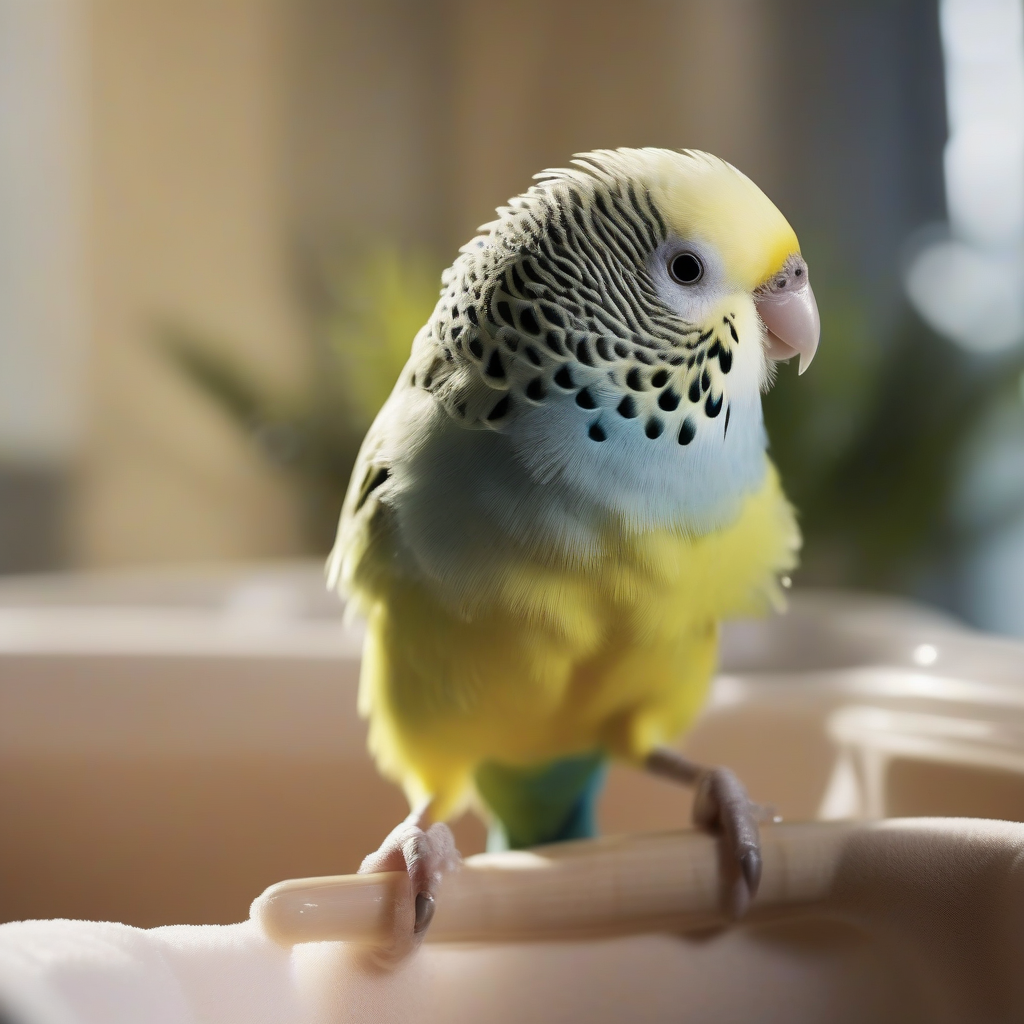
Have you ever wondered how birds maintain their body temperature and react to changes in heat? In this article, you will discover the neurobiological mechanisms ensuring your bird's thermal comfort, along with scientific secrets and optimal care strategies.


Discover the types of burns your dog can suffer, the 5 insidious neurophysiological effects these burns create in the brain and body, and lifesaving emergency intervention strategies in this comprehensive guide. We shed light on the dangers behind forgotten household accidents from a scientific perspective.

Discover the neurobiological signals of hidden stress your newly adopted cat experiences during adaptation to a new social environment. This article reveals 5 insidious signs of your cat's silent struggle and scientific strategies for peaceful, long-term harmony.

Your dog's anal sacs, located beneath the tail, can be hidden alarm bells often overlooked but profoundly affecting their quality of life. In this article, you will discover the 5 insidious neurobiological effects of anal sac problems on the brain and the lifesaving care secrets you need to know for your furry friend to live a peaceful life.
Even though birds are tiny creatures adorned with feathers, they harbor a complex system of thermal regulation within their bodies. This delicate balance is critical for their survival and well-being. Especially for pet birds, living in conditions different from their natural environment, it is crucial for owners to understand this secret thermal map and develop appropriate care strategies. As of April 2026, scientific approaches to bird health are constantly evolving to maximize pet comfort. But do you know how your bird controls its body temperature and how you can support these neurobiological secrets?
Birds' high metabolic rates lead to faster energy consumption compared to mammals. This also means a high production of body heat. In the wild, birds effectively manage this heat through flight and active lifestyles. However, in a domestic environment, cage conditions, air conditioning, and environmental factors can easily disrupt a bird's thermal balance. Extreme heat or cold can increase metabolic stress, weaken the immune system, lead to digestive problems, and trigger behavioral issues. Therefore, ensuring your bird's optimal thermal comfort is one of the cornerstones of its overall health.
The ability of birds to regulate their body temperature relies on complex interactions between their brains and physiological systems. Here are the 5 main secrets of these in-depth mechanisms:
The hypothalamus, located deep within a bird's brain, acts like a thermostat. It continuously monitors the body's internal temperature and sends signals to maintain internal balance according to external environmental changes. Thermoreceptors in the skin and internal organs detect temperature changes and transmit neuronal signals to the hypothalamus. The hypothalamus processes these signals, triggering physiological responses such as the dilation (vasodilation) or constriction (vasoconstriction) of blood vessels, muscle shivering, or feather fluffing. This allows the bird to develop an immediate defense mechanism against environmental temperature fluctuations. Proper regulation of the environment directly affects these neurobiological processes. For more information, you can read our article Your Bird's 'Hidden Climate Focus Point': Unknown Neurobiological Effects of Cage Placement and Lighting!.
Piloerection, or feather fluffing, is a primary defense mechanism birds use to protect themselves from the cold. Fluffing their feathers creates an air layer between the body and the external environment, acting as insulation and minimizing heat loss. This physiological response occurs when the hypothalamus stimulates small muscles in the feather follicles via the autonomic nervous system. At the same time, birds can reduce heat loss by constricting blood vessels close to the skin surface (vasoconstriction) or dissipate excess heat by dilating them (vasodilation). Feather health is critical for this mechanism, so topics like Why Is Your Bird Plucking Itself? 5 Insidious Physiological Triggers of Feather Plucking and Scientific Solutions! are important for feather care and thus thermoregulation.
Birds' high metabolic rates allow them to internally generate a significant portion of their body heat. These metabolic processes release heat during the conversion of nutrients into energy. Diets rich in carbohydrates and fats, in particular, can contribute to greater metabolic heat production. Inadequate or unbalanced nutrition can lower the metabolic rate, reducing the bird's resistance to cold stress. Therefore, feeding your bird a balanced diet appropriate for its age, species, and activity level is vital for maintaining thermal comfort. Digestive system health and nutrient absorption play a key role in this, which is why our article Your Bird's 'Hidden Gastric Yeast': 5 Insidious Neurometabolic Signs of Severe Digestive Problems and Scientific Treatment Secrets! is also valuable in this context.
Unlike mammals, birds do not have sweat glands, meaning they lack cooling mechanisms through sweating. Instead, when birds overheat, they resort to evaporative cooling methods such as respiratory pathways and gular fluttering (rapidly vibrating the gular area to increase evaporation). A significant amount of heat is lost through water vapor during these processes. Therefore, it is critical that birds always have access to fresh and clean water to prevent dehydration and allow them to cool down effectively. High humidity conditions can hinder this evaporation, so it would be beneficial to also check our article Your Bird's 'Hidden Humidity Wars': 5 Unknown Secrets of Humidity Imbalance Threatening the Respiratory System!.
In addition to their physiological responses, birds also regulate their body temperature by altering their behavior according to environmental conditions. They employ strategies such as retreating to shade or a cooler area in excessive heat, or perching in sunny spots or huddling together in groups to reduce heat loss in the cold. Bathing, by wetting their feathers and cooling through evaporation, is also an important form of behavioral thermoregulation. Even the choice of perch in your bird's cage can affect heat loss by regulating blood flow in their feet. For scientific secrets on this topic, you can refer to the article Your Bird's Feet: Unlocking the 'Secret Mind Map' of Perfect Perch Selection and Stress-Reducing Scientific Care!. Owners must provide suitable environments where their birds can exhibit these behaviors for their thermal well-being.
Once you understand your bird's thermal map, here are some practical steps you can take to provide the best care:
Remember, your bird's health and happiness begin with understanding its complex physiology. Thermal comfort is a significant piece of this puzzle. Conscious care based on scientific knowledge will ensure your feathered friend lives a long and healthy life.
